Hong Kong's sustainability agenda took centre stage this week as senior officials and environmental experts articulated contrasting views on the pace and scope of the city's decarbonisation efforts ahead of the 2050 carbon neutrality deadline.
At a sustainability forum held in Central, representatives from the Environmental Bureau outlined plans to accelerate the phase-out of coal-fired power generation, with officials emphasizing that the city's energy portfolio will shift substantially toward renewables and nuclear sources over the coming decades. The remarks signal intensified pressure on the city's three power companies to meet increasingly stringent emissions targets.
However, prominent environmental groups operating from offices across Causeway Bay and Wan Chai have raised concerns that current initiatives remain insufficient. Experts point to Hong Kong's current reliance on imported power—roughly 30 percent of the city's electricity comes from neighbouring Guangdong—and argue that cross-border energy agreements need stronger environmental benchmarks.
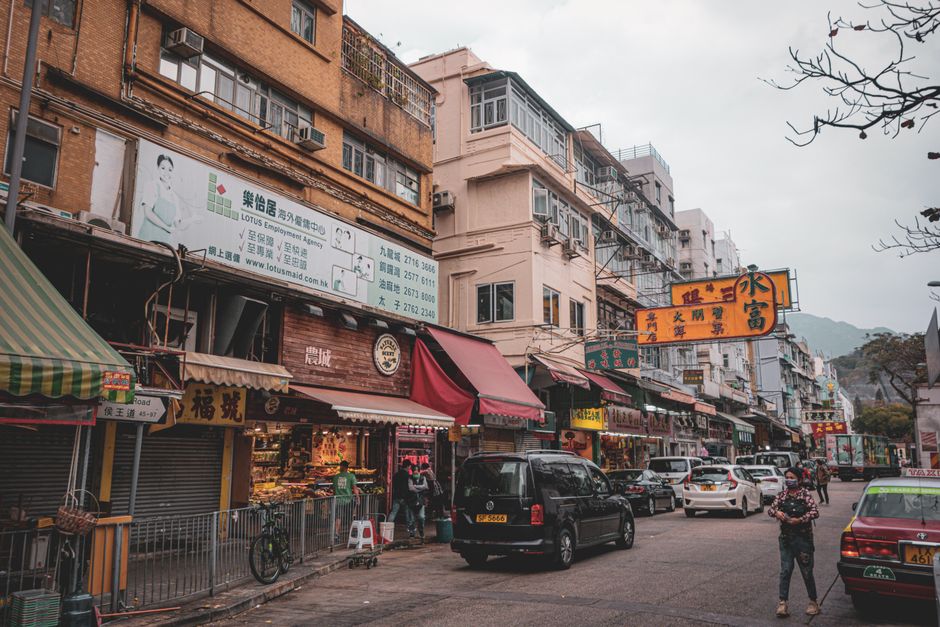
Dr. Paul Tse, a sustainability researcher affiliated with local universities, told The Daily Hong Kong that retrofitting Hong Kong's ageing building stock remains the single largest opportunity for emissions reduction. "Our buildings account for approximately 60 percent of our carbon footprint," he noted, referencing the government's Building Energy Code introduced in 2024. Yet implementation in neighbourhoods like Mong Kok and Sham Shui Po—where older residential towers dominate—has been slower than anticipated.
The Transport Department has meanwhile promoted the expansion of electric vehicle charging infrastructure, with over 2,000 public charging points now operational across the city, up from fewer than 500 in 2020. Officials cite the uptake in electric minibuses and taxis as evidence of momentum, though critics argue that the 15 percent electric vehicle penetration rate among private vehicles still lags regional peers like Singapore.
Regarding waste management, the government's plans for a fourth waste-to-energy facility—likely to be sited in the New Territories—have drawn both support and opposition. Environmental consultants acknowledge the infrastructure necessity, yet community representatives worry about localized air quality impacts in areas already facing industrial pressures.
As Hong Kong positions itself as a green finance hub and continues hosting international sustainability conferences at venues like the Hong Kong Convention and Exhibition Centre, the gap between ambitious rhetoric and tangible progress remains contested. The coming months will test whether officials can accelerate implementation while maintaining consensus among environmental advocates, industry stakeholders, and residents grappling with the practical costs of transformation.
This article was compiled by AI from the sources linked above and screened before publishing. See our editorial standards.