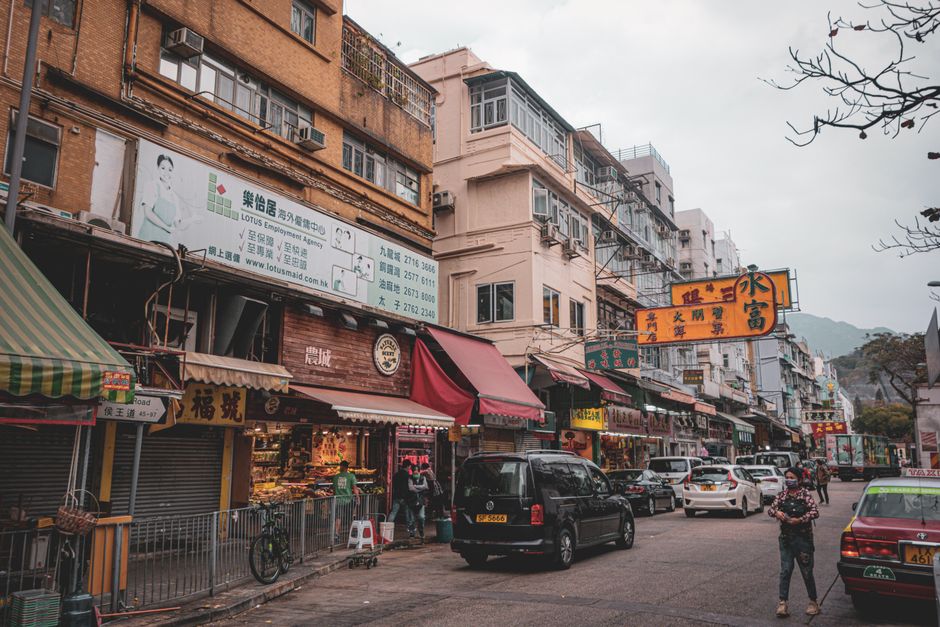
The unprovoked stabbing of seven people across Nathan Road and side streets near Langham Place last Tuesday has exposed uncomfortable truths about response times and coordination between police, fire services and hospitals—questions that will now dominate safety policy discussions in coming months.
While the suspect was apprehended within 23 minutes of the first emergency call, three victims required extended surgical intervention at Princess Margaret Hospital, and one remains in critical condition. For a city accustomed to viewing itself as exceptionally safe, the incident has prompted soul-searching about what "next" looks like for Hong Kong's emergency infrastructure.
The immediate question facing the Police Force is whether current patrol densities in high-footfall commercial zones like Mong Kok adequately match risk profiles. Officers on scene that morning were stationed approximately 400 metres away at Argyle Street station. Commissioner's office sources have indicated a review of beat assignments across Nathan Road's 2.1-kilometre retail corridor is underway, though any visible increase in uniformed presence risks altering the district's character that traders depend on.
Equally pressing is inter-agency communication. The Hospital Authority's briefing revealed that Kowloon Hospital and Queen Elizabeth Hospital received simultaneous mass casualty notifications, yet resource allocation protocols weren't synchronised. Health Secretary Wong Kam-hung acknowledged that a revised mass stabbing response playbook—last updated in 2019—requires urgent revision given recent global trends toward rapid, multiple-victim attacks.
Fire Services Department leadership must also decide whether existing rapid-response training adequately prepares crews for active-threat scenarios. Current protocol assumes police have secured scenes before paramedics enter; the Mong Kok incident muddied those boundaries, with crews arriving while the suspect was still at large.
Public expectations add another layer. Surveys conducted by the Asia Foundation post-incident showed 68% of respondents wanted increased CCTV coverage in busy streets, yet privacy concerns remain contentious. The government faces tough calls about camera density, storage protocols, and access restrictions.
Finally, there's the political dimension. Opposition lawmakers are demanding public consultation on emergency service funding allocations. Current Police budget sits at HK$25.8 billion annually; questions about whether that's optimally distributed between prevention, response, and mental health intervention will intensify during upcoming Legislative Council sessions.
Commissioner Tang Ping-keung has pledged a comprehensive report by September. What emerges will likely reshape how Hong Kong balances openness with security—a calculation that defines the city's future character as much as its safety metrics.
This article was compiled by AI and screened before publishing. See our editorial standards.