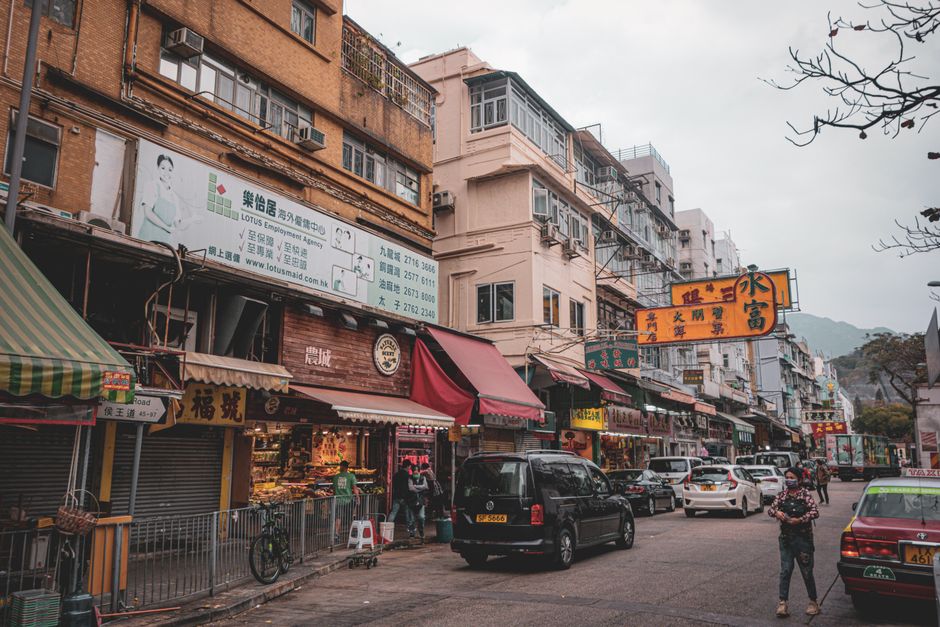
As Hong Kong grapples with median flat prices exceeding HK$12 million in prime districts like Mid-Levels and Central, housing officials defended their long-term strategy at a legislative hearing this week, while independent experts warned the city risks deepening its affordability crisis without bolder intervention.
Development and housing authorities outlined plans to accelerate completion of New Territories projects, including expanded phases in Yuen Long and Tseung Kwan O, alongside reclamation schemes near Hong Kong Island's eastern waterfront. Officials cited the government's commitment to building 330,000 new residential units over the next decade—a figure they described as transformational for housing supply.
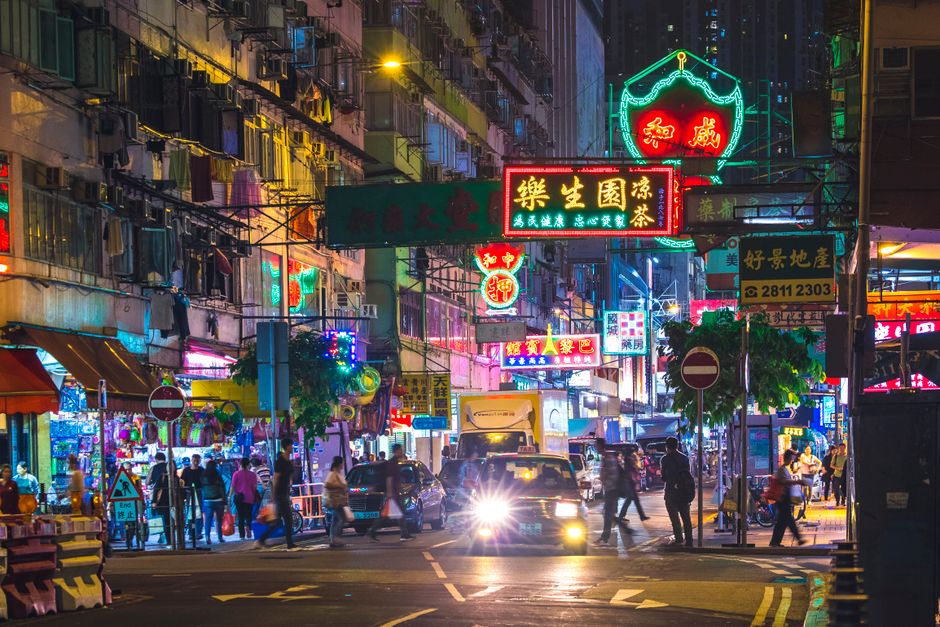
Yet leading urban planners and housing researchers expressed scepticism. The Hong Kong Institute of Urban Design noted that current construction timelines mean most new units won't materialise until 2032 or later, leaving hundreds of thousands of residents in subdivided flats and inadequate temporary housing in the interim. Average monthly rents for subdivided units in densely packed neighbourhoods like Mong Kok and Sham Shui Po now exceed HK$4,500 for spaces under 100 square feet.
"The supply figures are encouraging on paper, but the delivery mechanism remains glacial," said Dr. Wong Ming-keung, associate professor at the University of Hong Kong's Department of Urban Planning and Design, speaking at a public forum in Central. "Without addressing the immediate crisis in the 18 to 24-month window, we risk entrenching inequality across a generation."
Government representatives acknowledged bottlenecks but pushed back against criticism, noting that environmental assessments, infrastructure coordination, and community consultations required time. Officials also highlighted the Lantau Tomorrow Vision megaproject, expected to deliver 260,000 units by the 2040s, as evidence of long-term commitment.
Housing rights activists countered that the timeline fails those currently struggling. Organisations working across Kowloon's older districts documented families of five living in rooms smaller than typical parking spaces. Meanwhile, property developers operating in premium zones like Victoria Dockside and Causeway Bay continued announcing luxury-focused projects, raising fresh concerns about misaligned market incentives.
The debate reflects a fundamental tension: whether Hong Kong's housing crisis requires incremental policy adjustment or systemic restructuring of land use and development philosophy. As the conversation intensifies ahead of next year's policy address, stakeholders remain sharply divided on urgency and solutions.
This article was compiled by AI from the sources linked above and screened before publishing. See our editorial standards.