Hong Kong's Housing Squeeze: How the City Compares to Global Peers in Urban Planning
As property prices soar beyond 20 times median income, Hong Kong's approach to densification and new town development stands in sharp contrast to strategies adopted by Singapore, Tokyo and Vancouver.
This article was generated by AI from the linked public sources. The Daily Hong Kong is independently owned and covers Hong Kong news free from advertiser or sponsor influence. Read our editorial standards →
Hong Kong's property market remains among the world's least affordable, with median prices hovering around HK$12 million for a 500-square-foot apartment in central districts. Yet the city's response to this crisis—aggressive vertical development and expanding the urban footprint into the New Territories—reveals starkly different priorities than those pursued by comparable global cities facing similar demographic pressures.
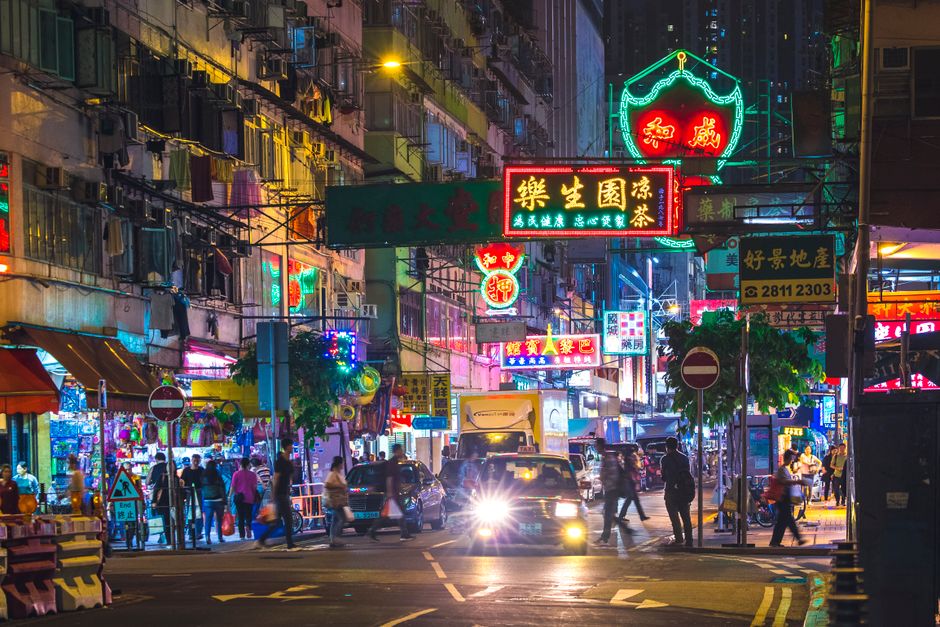
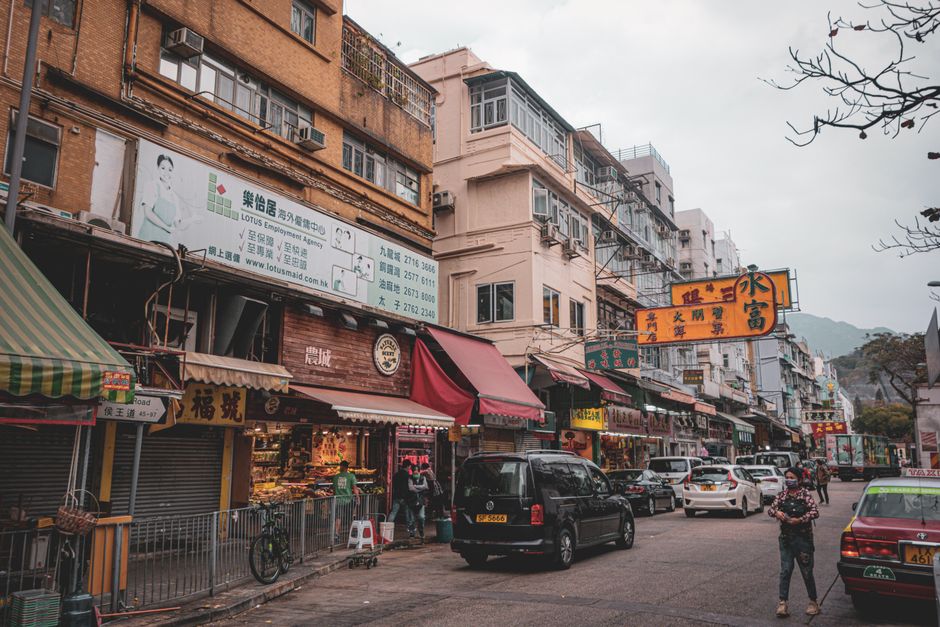
The government's push to redevelop ageing neighbourhoods like Mong Kok and Sham Shui Po, paired with the controversial expansion of towns such as Tung Chung and Yuen Long, reflects a distinctly Hong Kong approach: prioritising economic growth and revenue from land sales over the comprehensive social housing models adopted by Singapore and Vienna. While Singapore dedicates 80 percent of its housing stock to public provision, Hong Kong's public housing sector serves only about 2.3 million residents—roughly 30 percent of the population.
Tokyo, by contrast, has managed affordability through a different mechanism entirely. Rather than massive new town construction, the Japanese capital encourages housing supply through minimal zoning restrictions and streamlined approval processes. Hong Kong's planning regime remains considerably more rigid, with land-use designations locked into the Outline Zoning Plan, a process that can take years to amend. The Kai Tak Development, once earmarked for the new cruise terminal and sports venues, exemplifies this sluggish approach—originally conceived in the early 2000s, major residential phases are only now materialising.
Vancouver, another high-cost city, has pursued middle-ground strategies: enabling townhouses and duplexes in traditionally single-family zones while simultaneously developing transit-oriented developments around SkyTrain stations. Hong Kong has tentatively embraced similar transit thinking through its Mass Transit Railway integration with new housing, yet the scale remains insufficient for a city adding approximately 300,000 people per decade.
The Housing Authority's recent focus on modular construction and cross-harbour housing developments represents incremental innovation, yet experts note Hong Kong lags peers in adopting micro-unit designs or mixed-income developments that characterise progressive cities. The proposed Lantau Tomorrow Vision, while ambitious, requires decades to yield housing—a timeline critics argue Hong Kong's current crisis cannot absorb.
What distinguishes Hong Kong's predicament is not merely policy design but political will. Singapore's Lee Kuan Yew systematically prioritised public welfare over private development profits. Hong Kong's government, constrained by land scarcity and fiscal dependence on property revenues, has historically treated housing as a market commodity rather than a social utility. As Central and Mid-Levels remain beyond reach for ordinary workers, and young families are pushed deeper into the New Territories, whether Hong Kong will fundamentally recalibrate its urban philosophy remains the pressing question of 2026.
This article was compiled by AI from the sources linked above and screened before publishing. See our editorial standards.
Covering news in Hong Kong. This article was generated by AI from the linked sources and was not reviewed by a human editor before publishing. See our editorial standards.