How Hong Kong's Housing Crisis Led to Today's District Council Restructuring Debate
Years of unaffordable rents and planning gridlock have pushed local governance reform back into the spotlight as authorities grapple with neighbourhoods stretched to their limits.
This article was generated by AI from the linked public sources. The Daily Hong Kong is independently owned and covers Hong Kong news free from advertiser or sponsor influence. Read our editorial standards →
The current push to examine Hong Kong's district governance structure didn't emerge overnight. It is the inevitable culmination of a decade-long struggle with housing affordability, infrastructure bottlenecks, and the widening gap between where people live and where services are delivered.
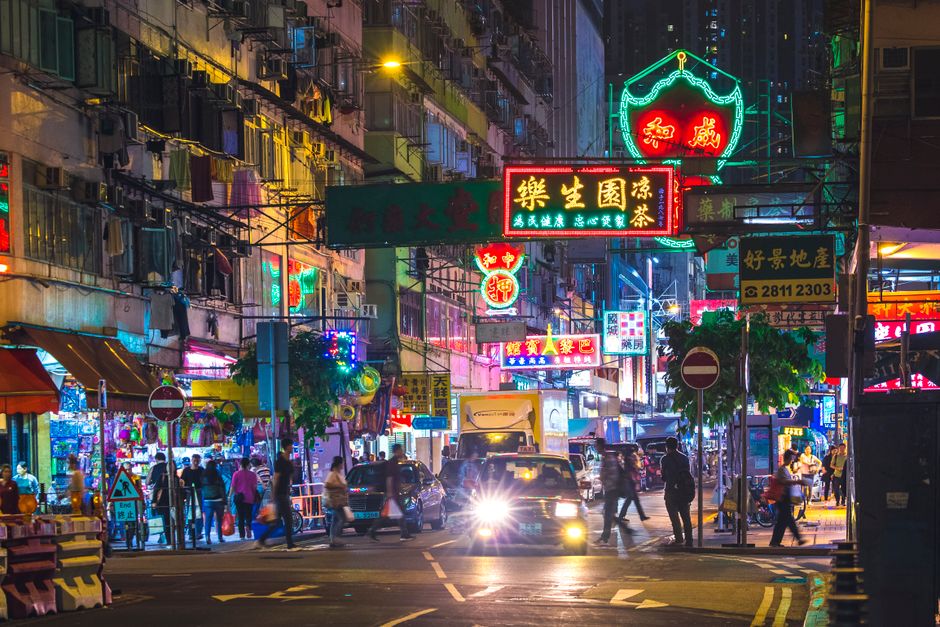
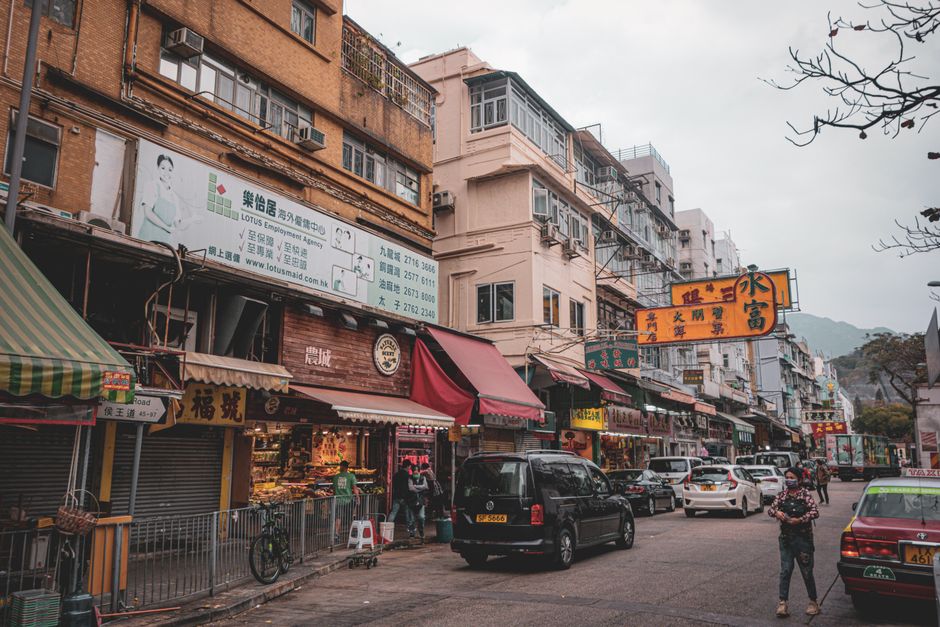
Begin with the numbers. The median property price in Central has exceeded HK$200,000 per square foot, while even peripheral districts like Tin Shui Wai and Tuen Mun—originally conceived as new towns to absorb overflow population—have seen rents climb beyond the reach of middle-income families. The private rental market in Mong Kok and Causeway Bay has become so stratospheric that small businesses, once the lifeblood of these neighbourhoods, have shuttered en masse. Between 2015 and 2024, shop vacancies in Causeway Bay more than doubled.
This housing squeeze didn't happen in isolation. It collided with ageing infrastructure and fractured district planning. The MTR expansion to the New Territories, repeatedly delayed and over budget, was supposed to unlock development around Tuen Mun and Yuen Long. Instead, residents endured years of congestion while waiting for relief that arrived incrementally. Meanwhile, the Lantau Tomorrow Vision megaproject consumed political and financial capital without delivering immediate housing solutions—frustrations that local councillors fielded at countless constituency meetings across districts from Sham Shui Po to Sha Tin.
The underlying tension has been structural. Hong Kong's 18 districts were largely configured in the 1980s based on population distribution and geographical convenience. Thirty years later, that map no longer matched reality. Populations shifted; employment hubs fragmented. A resident in remote Tung Chung found themselves assigned to a district office in Central that was administratively tidy but practically disconnected from their daily needs.
These pressures built quietly through successive district council elections. Turnout fluctuated between 40-50 per cent, suggesting voter disengagement even as local concerns—illegal subletting, pavement congestion, lack of community facilities—remained acute. By 2024-2025, the conversation had shifted. Were current district boundaries fit for purpose? Could governance be recalibrated to match how Hong Kong actually functions today?
Today's debate over district restructuring cannot be divorced from these material realities. The conversation isn't abstract; it's rooted in the lived experience of residents navigating impossible housing costs and districts that no longer serve them effectively. Understanding how we arrived here means grappling with twenty years of deferred planning decisions and the spatial misalignment between where Hongkongers live and the institutions meant to serve them.
This article was compiled by AI from the sources linked above and screened before publishing. See our editorial standards.
Covering news in Hong Kong. This article was generated by AI from the linked sources and was not reviewed by a human editor before publishing. See our editorial standards.