Hong Kong's climate ambitions are entering a critical phase, with senior officials and environmental experts laying out their vision for a carbon-neutral future during a series of recent forums and policy announcements.
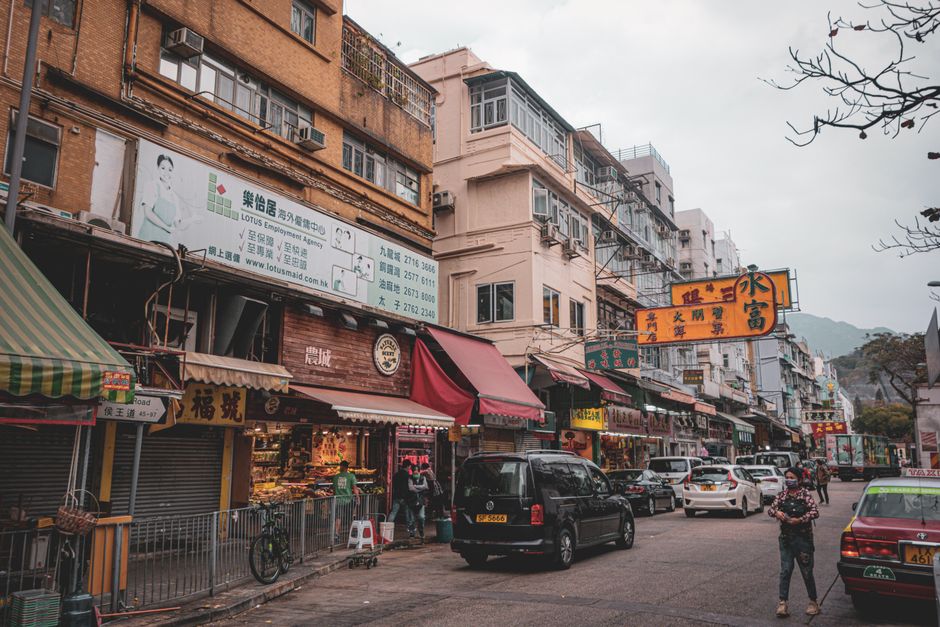
The push comes as the city grapples with its transportation footprint. The Environmental Bureau has intensified its focus on converting the city's ageing minibus fleet, with approximately 6,300 vehicles still relying on diesel engines across neighbourhoods like Mong Kok, Causeway Bay, and Sham Shui Po. Officials have flagged subsidies exceeding HK$1 billion for electric minibus conversions, signalling the scale of investment required.
Dr. Christine Loh, chief adviser to the Bauhinia Foundation, has been vocal about the need for systemic change beyond transport. "We cannot achieve meaningful emissions reductions without addressing our waste streams and energy consumption in tandem," she noted during a recent sustainability summit at the Hong Kong Convention and Exhibition Centre in Wan Chai. The city currently generates around 13.2 million tonnes of waste annually, with only 38% being recycled.
On the waterfront, the Urban Renewal Authority has begun integrating green spaces into redevelopment projects across districts like Kennedy Town and North Point. Officials have committed to expanding Victoria Harbour's public access while introducing tidal energy feasibility studies—though experts caution timelines remain uncertain given Hong Kong's complex marine ecosystem.
The Environmental Bureau's director has publicly endorsed a phased approach to renewable energy targets, aiming for 30% of electricity from renewable sources by 2030, up from approximately 2% today. Solar installations on public housing rooftops in areas like Kwai Chung and Tseung Kwan O are already generating measurable output, with officials citing these as proof-of-concept for scaling.
Yet challenges persist. The city's property development sector, which consumes roughly 60% of total energy, remains under scrutiny. Developers have been encouraged—though not mandated—to adopt Building Energy Code standards, creating friction between sustainability advocates pushing for stricter regulations and industry representatives citing cost concerns.
Experts and officials have largely converged on one point: Hong Kong's 2050 target requires immediate action in the next 24 months. The conversation is shifting from whether the city can decarbonise to how quickly it can mobilise capital, technology, and public support to do so. What remains contested is the pace and depth of regulation needed to get there.
This article was compiled by AI from the sources linked above and screened before publishing. See our editorial standards.