As Hong Kong grapples with an ageing population, officials and urban experts are proposing ambitious plans to transform older neighbourhoods into more vibrant, inclusive spaces. District councils, government departments, and community organisations are increasingly vocal about the need for targeted interventions in areas like Sham Shui Po, Mong Kok, and North Point—districts where residents over 65 now comprise more than 20 per cent of the population.
The Urban Renewal Authority has signalled renewed focus on mixed-use developments that blend residential, retail, and social services. Officials emphasised that revitalisation need not mean wholesale demolition. "We're looking at adaptive reuse and community-centric planning," representatives stated during recent policy briefings, pointing to pilot programmes in Wong Tai Sin and Kwun Tong that have attracted younger families while preserving local character.
Experts from the University of Hong Kong's Department of Urban Planning highlighted infrastructure gaps in older districts. "Neighbourhoods like Sham Shui Po have excellent MTR connectivity but lack adequate green spaces and healthcare facilities within walking distance," researchers noted in a recent community assessment. They recommend converting underused industrial sites—increasingly common as manufacturing moves offshore—into parks and neighbourhood clinics.
The Housing Authority has committed to accelerating maintenance programmes in public housing estates, particularly in districts like Wan Chai and Causeway Bay where buildings average 35 years old. Officials stressed that regular upgrades would prevent further deterioration and maintain property values for long-term residents facing property tax increases averaging 8-12 per cent annually.
Community leaders have welcomed government attention but stressed implementation challenges. A spokesperson from the North Point Community Centre noted that while policy support is encouraging, funding often arrives slowly. "We need consistent resources, not one-off grants," they observed, referencing successful grassroots initiatives like the Tai Hang Fire Dragon Festival that draw thousands annually yet operate on modest budgets.
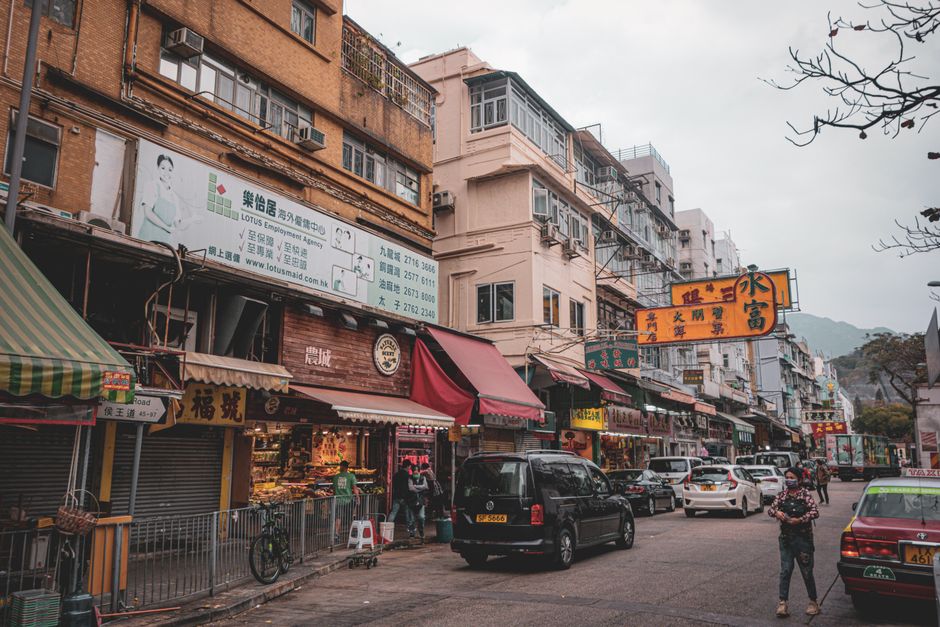
Retailers in traditional wet markets face particular pressures as supermarket chains expand. Officials acknowledged the tension, with the Food and Environmental Hygiene Department confirming support for heritage market upgrades—including improved sanitation and streamlined stall allocation—to keep traditional commerce viable alongside modern retail.
The broader consensus among officials and experts remains cautiously optimistic: Hong Kong's older neighbourhoods possess genuine assets—heritage architecture, established communities, transport access—that merit investment. Success, however, depends on sustained funding, genuine resident consultation, and resistance to speculative development pressures that could unravel these districts' character entirely.
This article was compiled by AI from the sources linked above and screened before publishing. See our editorial standards.