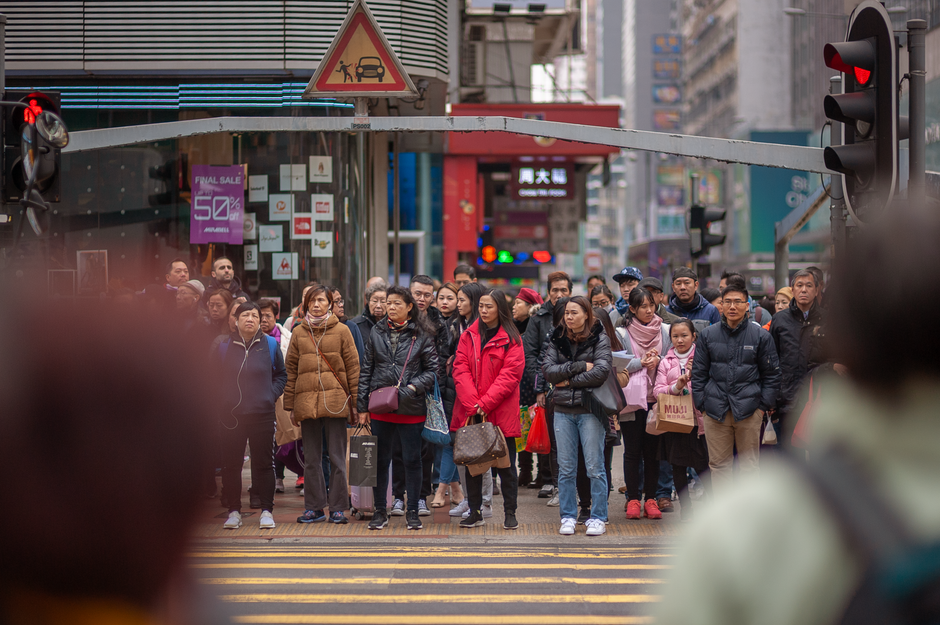
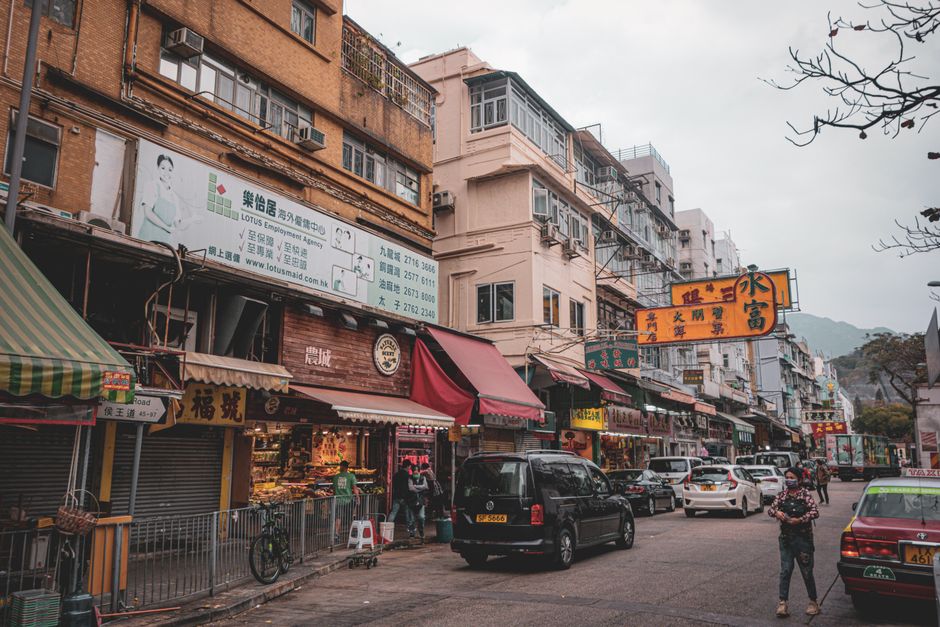
Hong Kong's transport landscape is undergoing significant transformation this week, with multiple infrastructure projects reaching critical junctures that will reshape commuter patterns across the territory for years to come.
The most significant development concerns the Eastern Corridor widening initiative, which saw site contractors break ground on expanded sections stretching from North Point through to Quarry Bay. The project, budgeted at HK$8.7 billion, aims to ease chronic congestion on one of the island's most congested arterial routes. Traffic modelling suggests the expansion could reduce average journey times by up to 18 minutes during peak hours once completed in late 2028. Residents across the affected neighbourhoods—including Fortress Hill and Tin Hau—have expressed mixed reactions, with concerns over three years of construction disruptions against hopes for improved air quality from reduced gridlock.
Meanwhile, progress on the third cross-harbour link continues to accelerate. The latest phase of environmental assessments concluded this week, clearing the way for detailed design work on the proposed connection between West Kowloon and Central. The MTR Corporation's supplementary consultation documents, released Monday, outline revised routing that minimises impact on the Central waterfront precinct while maintaining strategic capacity targets of 60,000 vehicles daily by 2035.
On the rail front, the Tuen Mun to Chek Lap Kok direct connection—initially mooted five years ago—has received preliminary funding approval worth HK$42 billion. The link would bypass Central and establish a dedicated freight and passenger corridor serving the airport and port clusters. Industry observers note this represents a watershed moment for Hong Kong's long-term port competitiveness against regional rivals.
Perhaps most immediately felt by commuters, the MTR's fleet expansion programme announced completion of procurement contracts this week. Forty-eight new trains—destined for the Tseung Kwan O, Kwun Tong and East Rail lines—will enter service beginning Q4 2026, with full deployment expected by 2028. The Corporation projects these additions will increase overall system capacity by approximately 12 percent.
Transport analyst consensus suggests these overlapping initiatives signal government determination to tackle infrastructure backlogs accumulated over the past decade. However, construction finance remains tight, and project timelines depend heavily on smooth permitting and sustained funding allocation across political cycles.
For ordinary Hongkongers, the message is clear: commute patterns will remain volatile for the next 24-36 months, but the territory's transport backbone is finally getting the upgrade many have long anticipated.
This article was compiled by AI from the sources linked above and screened before publishing. See our editorial standards.