From Thriving Hub to Empty Storefronts: How Mong Kok's Street Culture Shifted in a Decade
Decades of migration, rising rents, and changing leisure habits have transformed one of Hong Kong's most iconic neighbourhoods—but locals say the real story began long before the recent exodus.
This article was generated by AI from the linked public sources. The Daily Hong Kong is independently owned and covers Hong Kong news free from advertiser or sponsor influence. Read our editorial standards →
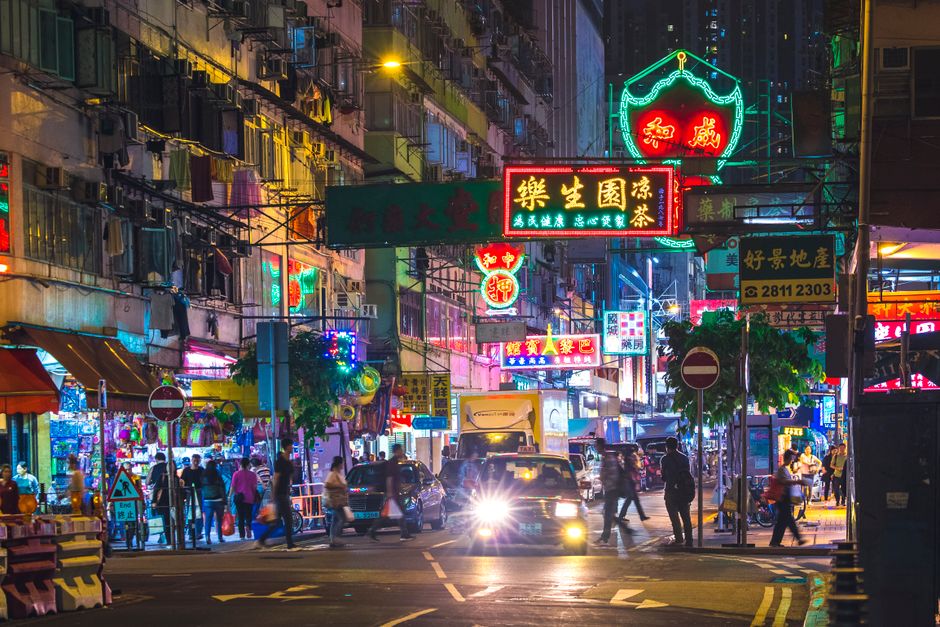
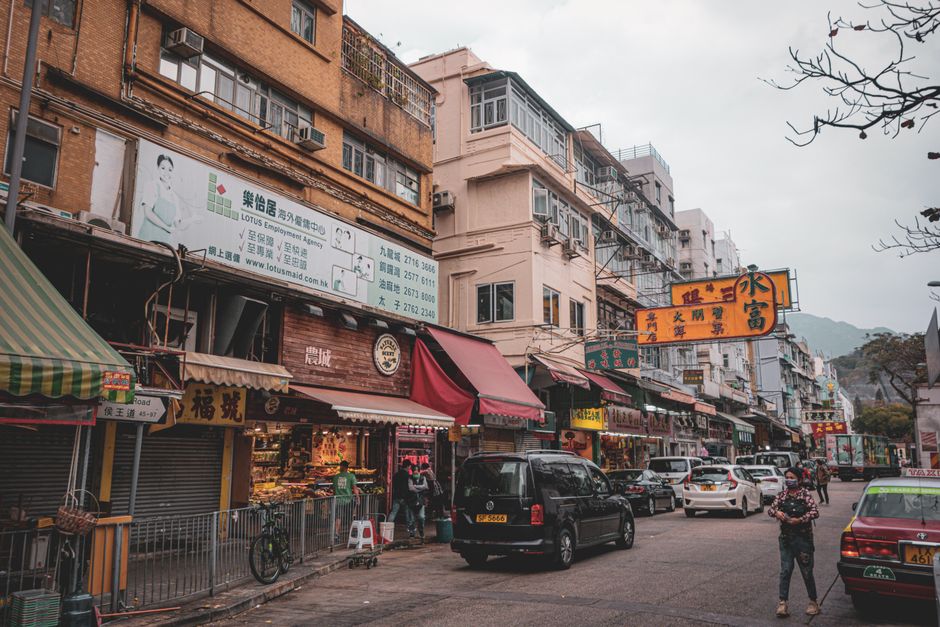
Walk down Argyle Street in Mong Kok on a Tuesday afternoon, and the transformation is impossible to ignore. Where vintage toy shops and noodle stalls once clustered shoulder-to-shoulder, vacant storefronts now display faded "To Let" signs. Rental rates that peaked at HK$400 per square foot in 2015 have stabilised, yet businesses continue to shutter. To understand why this corner of Kowloon has fundamentally altered, residents and business owners point to a much longer trajectory than recent news cycles suggest.
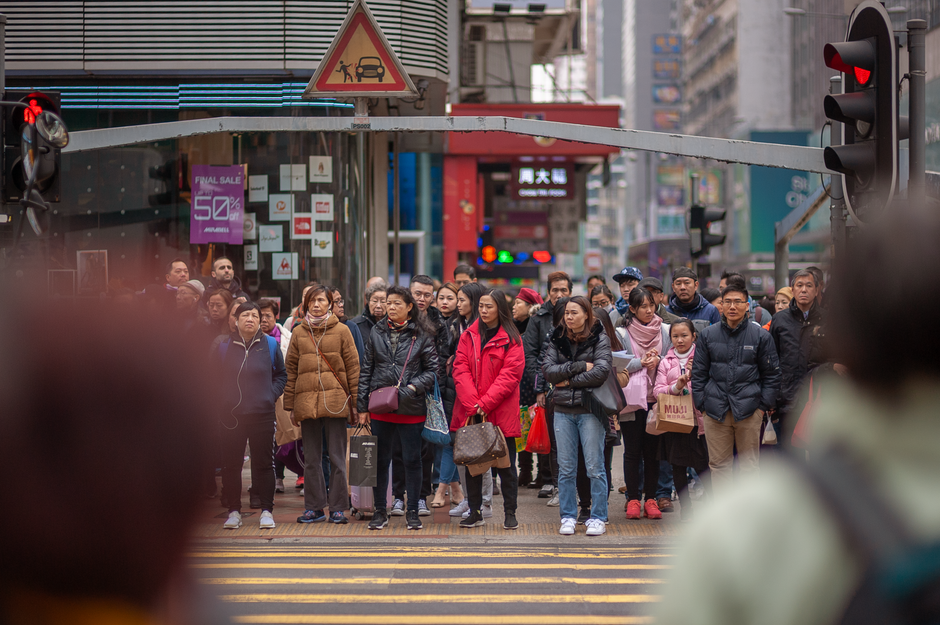
The neighbourhood's trajectory mirrors Hong Kong's broader economic shifts. According to the Census and Statistics Department, foot traffic through Mong Kok's retail corridors declined by 22% between 2018 and 2024, even as the population within a 500-metre radius remained relatively stable at around 90,000 residents. The real pressure began mounting after 2015, when e-commerce giants like Alibaba and local platforms fundamentally changed shopping behaviour. Young people, who once spent weekends browsing Temple Street and haggling at the Mong Kok Computer Centre, now scroll through apps on the MTR.
Community organisations have watched this evolution firsthand. The Mong Kok Community Centre, established in 1975 and located on Nelson Street, has adapted programming over the years—shifting from youth recreation activities to eldercare services as the neighbourhood's demographic shifted upward. Average age in the district increased from 38 to 43 between 2011 and 2021, a trend reflected across Kowloon.
Property speculation accelerated the change. Small landlords who owned buildings outright—many acquired decades ago—faced mounting pressure to monetise their assets. Several heritage buildings, including historic dai pai dong restaurants that operated for 40+ years, were demolished for development. The 2019 social unrest further disrupted normalcy; many casual businesses that relied on weekend crowds never fully recovered foot traffic patterns.
Yet locals resisting this narrative point to pockets of resilience. Grassroots efforts like the Mong Kok Preservation Initiative, a volunteer-run movement started in 2021, have documented disappearing heritage sites and supported remaining family-run businesses. The community's challenge isn't dramatic collapse but quiet erosion—the slow, unremarkable way neighbourhoods transform when economic incentives shift incrementally over years.
Understanding Mong Kok's present requires acknowledging these layered pressures weren't sudden shocks. They were predictable consequences of structural economic change, property dynamics, and shifting consumer behaviour—a decade-long recalibration that locals saw coming, even if the pace sometimes caught them off guard.
This article was compiled by AI from the sources linked above and screened before publishing. See our editorial standards.
Covering news in Hong Kong. This article was generated by AI from the linked sources and was not reviewed by a human editor before publishing. See our editorial standards.