Hong Kong's multicultural pivot: How this city stacks up against London, Singapore and Toronto in welcoming migrants
As global cities compete for talent and skilled workers, Hong Kong is quietly reshaping its approach to integration—but data reveals it still lags peers in several key areas.
This article was generated by AI from the linked public sources. The Daily Hong Kong is independently owned and covers Hong Kong news free from advertiser or sponsor influence. Read our editorial standards →
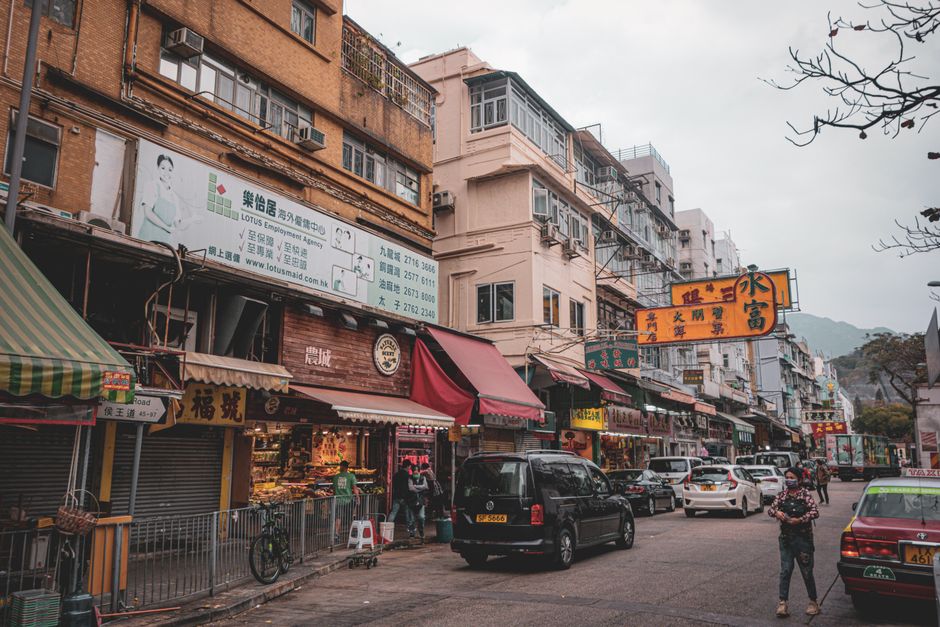
Walk through Chungking Mansions on Nathan Road on any given afternoon and you'll witness Hong Kong's unspoken multicultural reality: traders from Nigeria, students from Pakistan, domestic workers from the Philippines, and tourists from everywhere converge in a 17-storey vertical village. Yet despite such visible diversity, Hong Kong's official approach to migrant integration remains markedly different from comparable global cities grappling with similar demographic shifts.
The numbers tell a revealing story. Hong Kong's foreign population stands at approximately 600,000 people, or roughly 8 per cent of the total population. Compare this to London (37 per cent foreign-born), Singapore (45 per cent), and Toronto (51 per cent), and the gap becomes clear. Yet Hong Kong's migrant composition is distinctive: domestic workers dominate, with approximately 370,000 Filipino and Indonesian caregivers registered, while skilled professionals and their families remain a smaller cohort concentrated in areas like Mid-Levels and Repulse Bay.
"The challenge isn't numbers—it's integration infrastructure," explains research from the Asian Institute of Applied Development Studies, which tracks migration policy across the region. Unlike Toronto's explicit multiculturalism policy or Singapore's statutory racial harmony framework, Hong Kong operates largely through ad-hoc community initiatives. The Hong Kong International Social Service, based in Wan Chai, has expanded English-language orientation programmes and job-matching services, yet funding remains constrained compared to similar organisations in rival cities.
Housing presents perhaps the starkest disparity. A one-bedroom flat in Mong Kok averages HK$18,000 monthly—a figure that forces many migrant workers into shared accommodation or distant New Territories suburbs. London and Toronto, despite their own housing crises, offer more established social housing pathways for newcomers. Singapore's public housing model integrates migrants more systematically, though with stricter visa controls.
Community spaces reveal another pattern. Chungking Mansions and Tai Kok Tsui's Filipino enclaves function as organic cultural hubs, yet formal multicultural centres remain scarce compared to dedicated facilities in London's boroughs or Toronto's established settlement agencies. The Kowloon-Tong Methodist Church and various religious organisations fill these gaps informally, but structural support lags.
Hong Kong's recent economic repositioning has prompted gradual policy shifts. The government's 2024 "top talent" visa scheme and expanded professional immigration pathways signal movement toward competitor cities' approaches. Yet observers note that without corresponding investment in language training, housing support, and community integration programmes, Hong Kong risks attracting skilled migrants while failing to retain them.
As global competition for talent intensifies, Hong Kong faces a crucial question: can a city built on pragmatic economics translate that into pragmatic integration policy?
This article was compiled by AI from the sources linked above and screened before publishing. See our editorial standards.
Covering news in Hong Kong. This article was generated by AI from the linked sources and was not reviewed by a human editor before publishing. See our editorial standards.