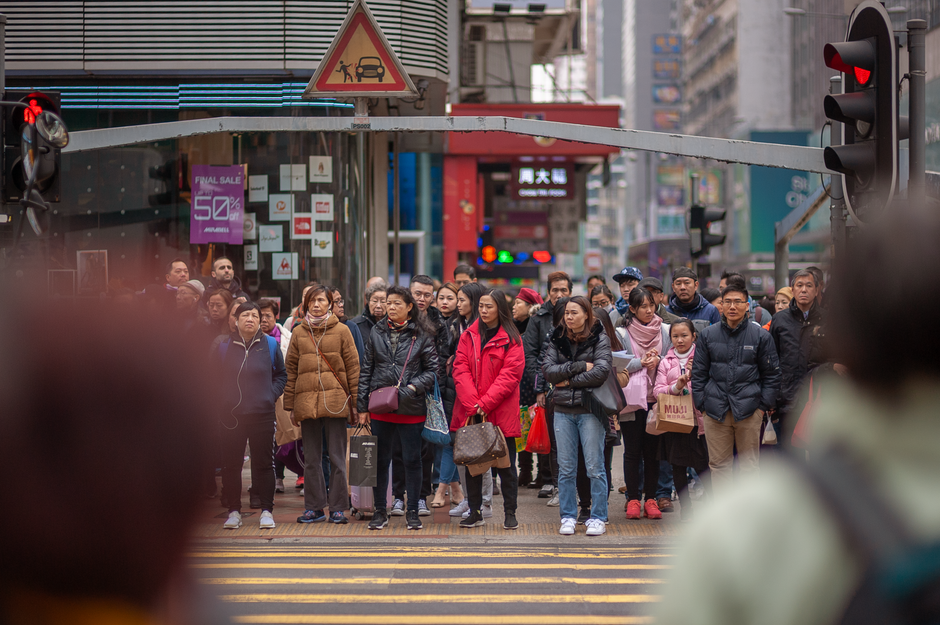
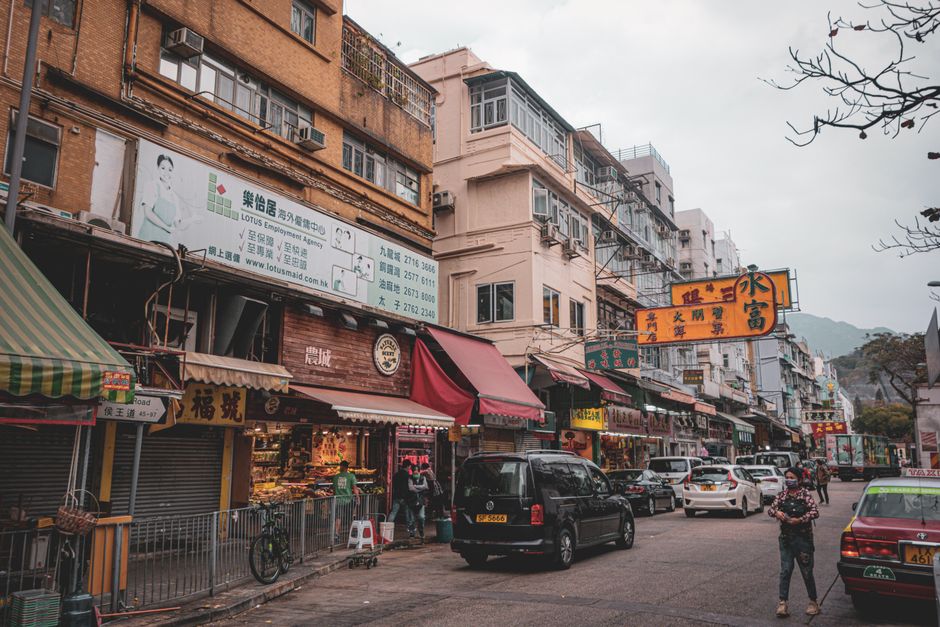
Hong Kong's housing debate has intensified as senior officials and urban planning experts offer sharply different assessments of the government's latest expansion strategy, with some praising the boldness of proposed developments while others warn of fundamental flaws in execution.
The Housing Authority's recent blueprint for accelerating construction across the New Territories—including sites near Fanling, Yuen Long, and proposed reclamation zones—has drawn mixed reactions from the city's planning establishment. Officials at the Development Bureau have publicly emphasized the need to deliver 300,000 new housing units over the next decade, framing the initiative as essential to Hong Kong's economic competitiveness.
However, academics from the University of Hong Kong's Faculty of Architecture and urban planning institutes have raised concerns about infrastructure readiness. With median private residential prices hovering above HK$13 million for a 40-square-metre unit in central areas, even public housing remains insufficient—current waiting times for public rental housing exceed six years for some applicants.
"The numbers look impressive on paper," one senior planner noted in recent industry forums, "but transportation links, school capacity, and healthcare services must keep pace with residential supply." The debate echoes familiar tensions: does Hong Kong build outward into the New Territories, or intensify development in established urban cores like Mong Kok and Causeway Bay?
Property sector representatives have signalled support for New Territories expansion, citing lower land acquisition costs and potential for mixed-use developments. Yet environmental groups and heritage advocates have questioned the environmental impact assessments for reclamation projects, particularly concerns about Victoria Harbour's ecological footprint.
Senior government officials have defended the pace of planning approvals, arguing that streamlining bureaucratic processes remains critical. The Secretary for Housing, in recent legislative briefings, emphasized that delivering affordable units requires both public and private sector contributions—a position that has drawn scrutiny from social welfare organizations questioning whether private developers will genuinely prioritize affordability over margins.
Meanwhile, think tanks including the Asian Development Research Institute have published comparative studies on regional housing policy, suggesting Hong Kong's homeownership rates—currently around 50 percent citywide but far lower for residents under 40—reflect structural policy choices rather than immutable economic constraints.
As the government prepares detailed planning documents for public consultation, the conversation among officials, experts, and stakeholders will determine whether these ambitious targets address genuine housing needs or simply accelerate development for its own sake. The coming months will reveal whether consensus can emerge on Hong Kong's urban future.
This article was compiled by AI from the sources linked above and screened before publishing. See our editorial standards.