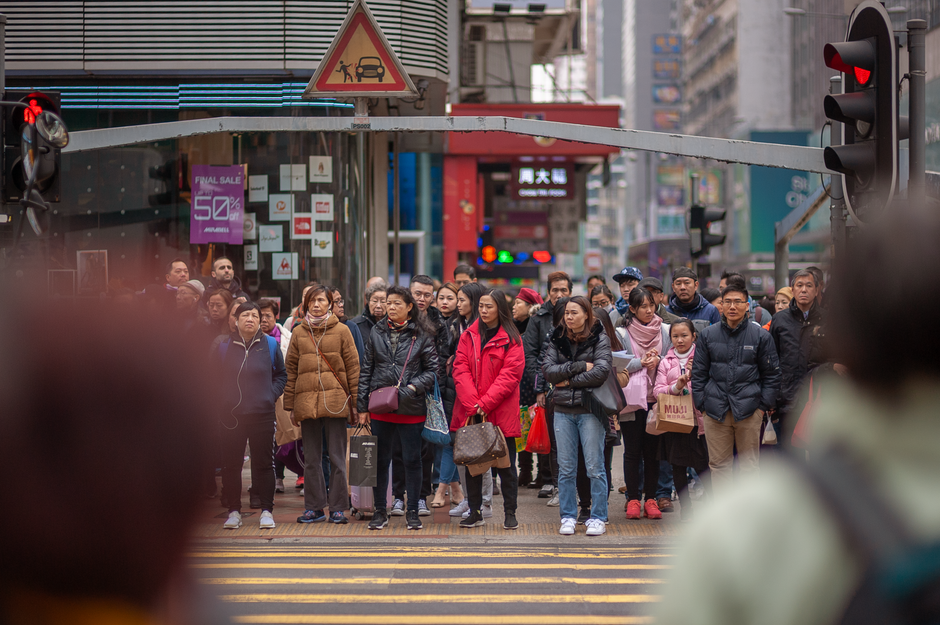
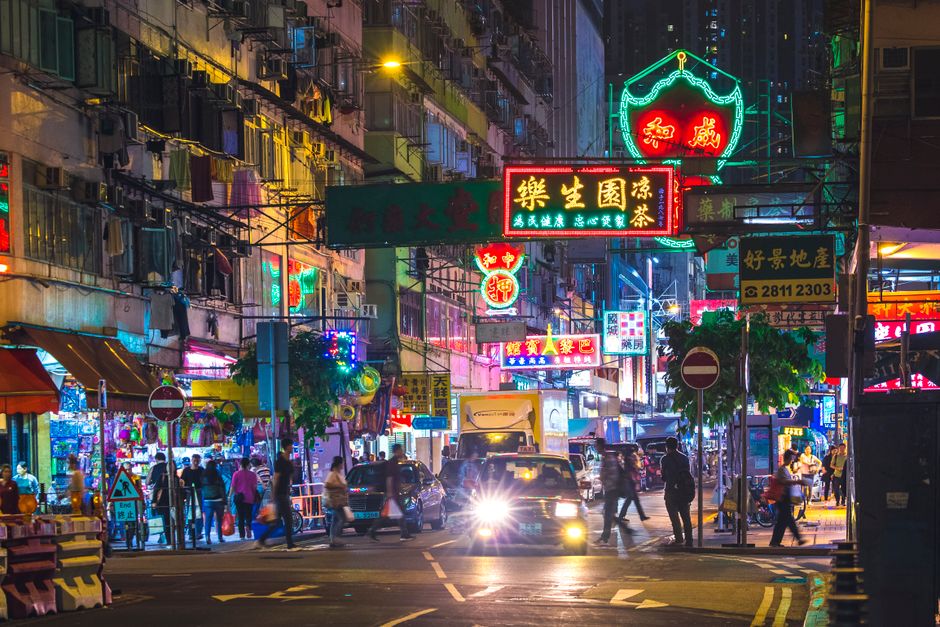
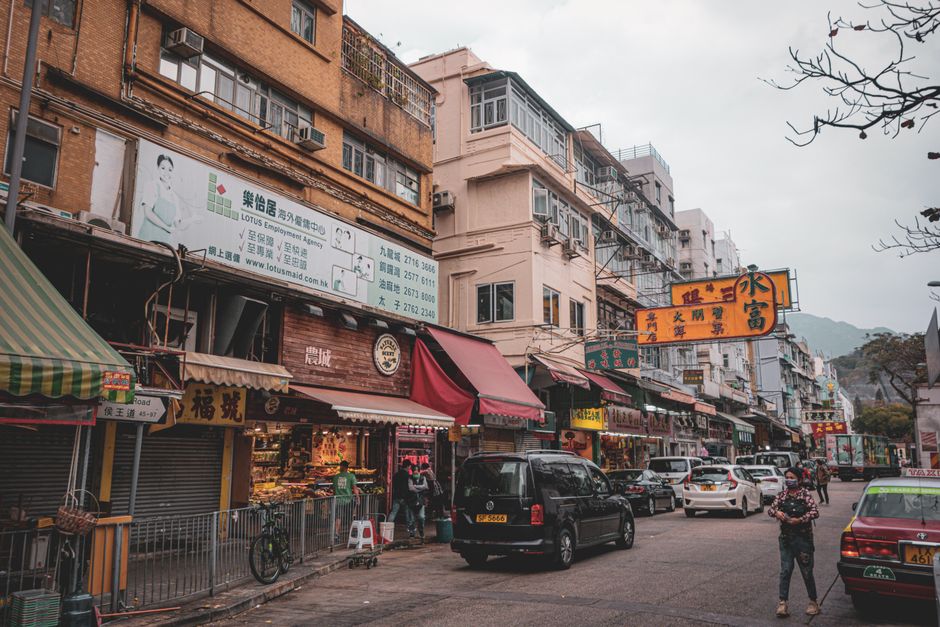
On a humid Tuesday morning, the newly renovated Fuk Wing Street Community Centre in Sham Shui Po hummed with activity—elderly residents playing mahjong, young mothers attending a Cantonese storytelling session, teenagers learning digital literacy skills. For a neighbourhood where the median flat size is just 280 square feet and the average resident age is climbing steadily, this 8,000-square-foot space represents something increasingly rare in Hong Kong: a genuine place to belong.
Sham Shui Po, home to nearly 180,000 people squeezed into one of the city's highest-density areas, has long been characterised by invisible neighbours separated by paper-thin walls in aging walk-ups. The reopening of this community hub—renovated with HK$28 million in funding from the District Council and private donors—addresses a critical gap in social infrastructure that has widened over the past decade.
"We're losing our sense of community," explains social worker Margaret Wong, who coordinates programmes at the centre. "People work longer hours, live in smaller spaces, and rarely interact beyond their own family unit. The impact on mental health and social isolation is significant, particularly among our elderly and young people."
The numbers underscore her concern. Recent District Health Centre surveys found that 34% of Sham Shui Po residents over 65 report feelings of loneliness, double the citywide average. Meanwhile, youth unemployment in the district runs at 8.2%, compared to 3.1% across Hong Kong. The community centre's vocational training programmes—from carpentry to social media marketing—directly address this gap, offering subsidised courses at HK$150 per month, roughly one-third the commercial rate.
What makes this initiative particularly significant is its inclusivity. Unlike commercial spaces targeting affluent demographics, the centre operates on a sliding scale fee structure and welcomes undocumented migrant workers' children for language classes. Rent subsidies for small vendor stalls in the ground-floor plaza have attracted local artisans and heritage food makers, reviving a tradition of street-level entrepreneurship that has been hollowed out by chain retailers.
The ripple effects are already visible. Foot traffic along Fuk Wing Street has increased 23% since opening month, according to the local Business Improvement District. Three new cafés have opened nearby, targeting the growing community worker demographic now using the hub as a meeting point.
For residents navigating Hong Kong's relentless efficiency, the centre offers something the city's gleaming malls cannot: the chance to slow down, connect, and simply exist without transaction. In a city where density breeds isolation, that matters profoundly.
This article was compiled by AI from the sources linked above and screened before publishing. See our editorial standards.