Hong Kong's Development Bureau unveiled an ambitious urban renewal timeline on Wednesday, targeting three priority zones across Mong Kok, Sham Shui Po, and parts of Eastern Kowloon—a move that has reignited tensions between city planners and established communities already grappling with rising property costs and cultural erosion.
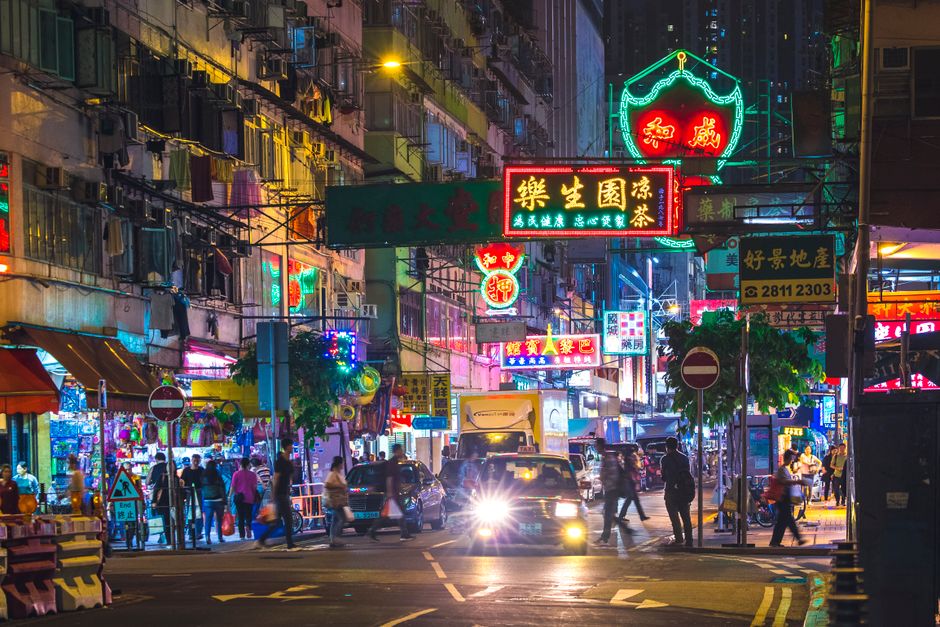
The announcement came ahead of next month's Planning Committee review, where officials will present revised zoning proposals for the Argyle Street precinct in Mong Kok, long identified as requiring modernisation. Property valuations in the area have remained relatively stagnant compared to nearby Causeway Bay and Central, where residential prices topped HK$180,000 per square foot earlier this month. The development scheme aims to facilitate mixed-use projects combining residential, retail, and commercial spaces—a pattern already established in the Kai Tak redevelopment corridor.
Simultaneously, the Transport Department confirmed accelerated planning for the proposed MTR extension to North Point via a revised Cross-Harbour Link, expected to commence feasibility studies by year-end. The project promises to ease congestion on existing Island Line services, which regularly exceed 95 per cent capacity during peak morning hours.
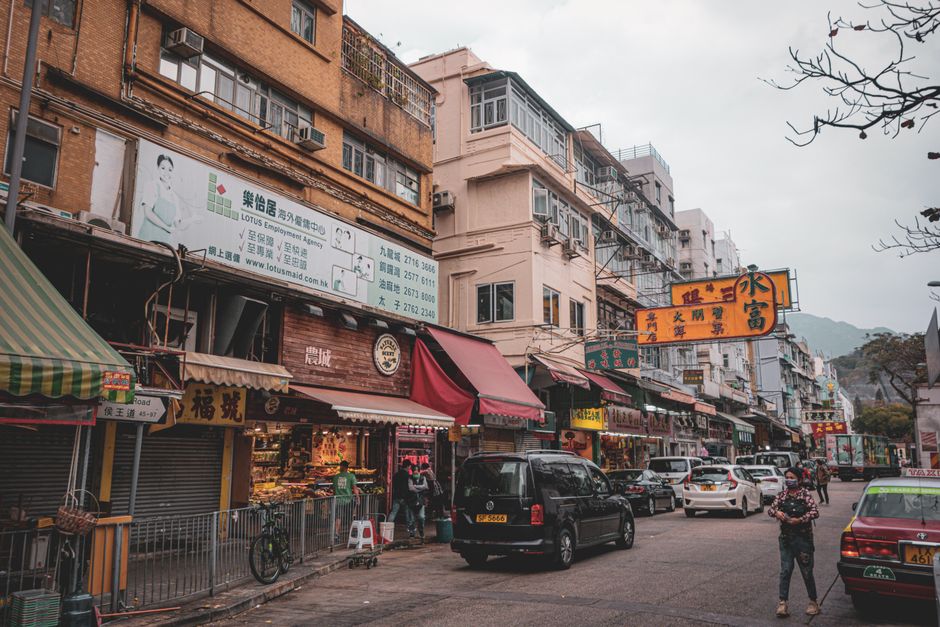
However, local district councillors representing Sham Shui Po raised formal objections this Friday, citing inadequate community consultation on displacement implications. The neighbourhood, historically a hub for manufacturing and working-class residents, has seen average rents climb 23 per cent over the past two years. Advocacy groups operating from community centres in the area—including spaces near Nam Cheong Street—warned that accelerated redevelopment could displace vulnerable elderly populations and small family businesses that form the district's social fabric.
The Housing Authority separately announced plans to fast-track public housing construction at three sites in Fanling, Tuen Mun, and Yuen Long, aiming to deliver 8,000 new units by 2030. Current public housing waiting times remain at 5.3 years, according to latest official figures, unchanged from last quarter despite increased applications.
Senior officials emphasised that the renewal initiative balances economic growth with heritage considerations, noting that the Mong Kok scheme incorporates provisions for preserving key cultural landmarks. Yet community representatives expressed scepticism, pointing to similar promises made during previous major redevelopments that resulted in the loss of traditional wet markets and small heritage buildings.
The coming weeks will reveal whether the government can navigate these competing pressures—modernisation versus preservation—in a city where every square foot carries historical and economic weight.
This article was compiled by AI from the sources linked above and screened before publishing. See our editorial standards.