Hong Kong officials and environmental experts are sounding an increasingly urgent call for systemic change across the city's infrastructure, with renewed focus on achieving carbon neutrality by 2050. Speaking at a sustainability forum in Central last month, government representatives outlined concrete targets while academics warned of the cost of inaction.
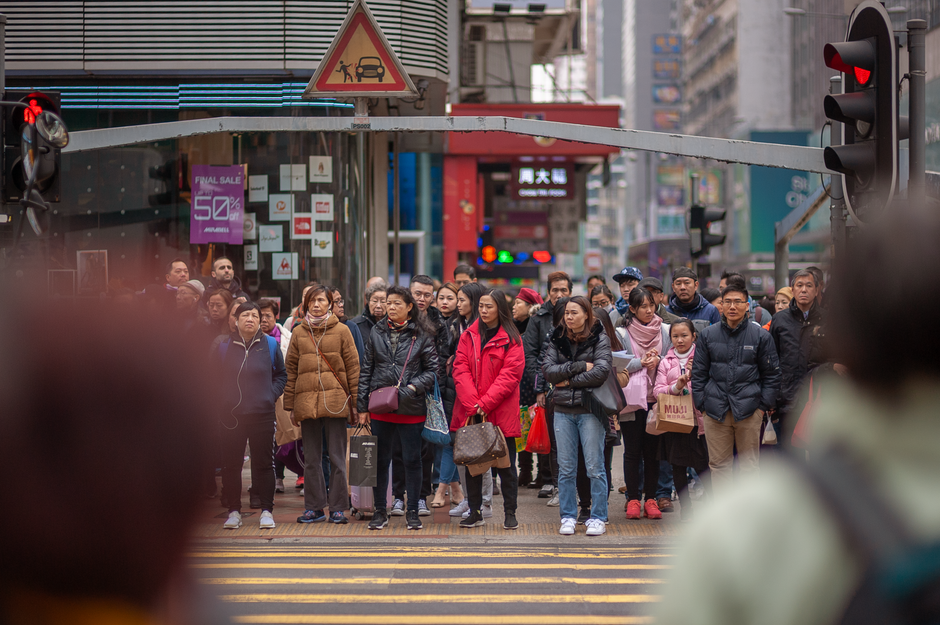
The Environmental Bureau has committed to reducing carbon emissions by 40 per cent from 2005 baseline levels by 2030—a significant jump from previous targets. Officials emphasise that this hinges on rapid decarbonisation of the power sector and expanded green transport networks. The MTR's ongoing electrification plans and expansion of the Central-Wan Chai bypass pedestrian zones reflect this trajectory, though experts argue the pace remains insufficient.
Dr Wong Ming-yan, director of the sustainability research centre at a leading local university, recently highlighted that Hong Kong generates approximately 1.3 million tonnes of waste annually, with only 32 per cent recycled. "We're importing solutions rather than developing local circular economy models," she noted in an industry briefing. The government's proposed Extended Producer Responsibility scheme—requiring manufacturers to manage their products' end-of-life disposal—addresses this gap, though implementation timelines remain fluid.
Real estate remains contentious. With property prices averaging HK$900,000 per square metre in prime districts, sustainable building standards risk becoming luxury amenities rather than universal practice. Yet the Green Building Council has certified over 300 properties across Hong Kong, Kowloon and the New Territories, demonstrating market demand. Officials stress that upcoming developments in Kai Tak and the Northern Metropolis will embed sustainability from inception.
Water security has emerged as equally pressing. Climate projections suggest increased typhoon intensity and erratic rainfall patterns. The Water Supplies Department's chief engineer recently stated that Hong Kong must reduce per-capita consumption from 135 litres daily—already relatively efficient by global standards—through smart metering and recycled water integration in industrial zones.
Private sector alignment remains crucial. Several multinational firms headquartered at IFC and Exchange Square have pledged net-zero targets, yet supply chain transparency gaps persist. The Hong Kong Sustainability Index, published quarterly, tracks corporate progress, but critics argue enforcement mechanisms need strengthening.
Business leaders acknowledge the transition costs are substantial, yet most now frame sustainability as competitive advantage rather than regulatory burden. The city's position as Asia's financial hub positions it to attract green capital—a narrative officials and experts increasingly emphasise in international forums, from Climate Week in New York to regional summits in Bangkok.
Implementation, not intention, will ultimately define Hong Kong's environmental trajectory.
This article was compiled by AI from the sources linked above and screened before publishing. See our editorial standards.