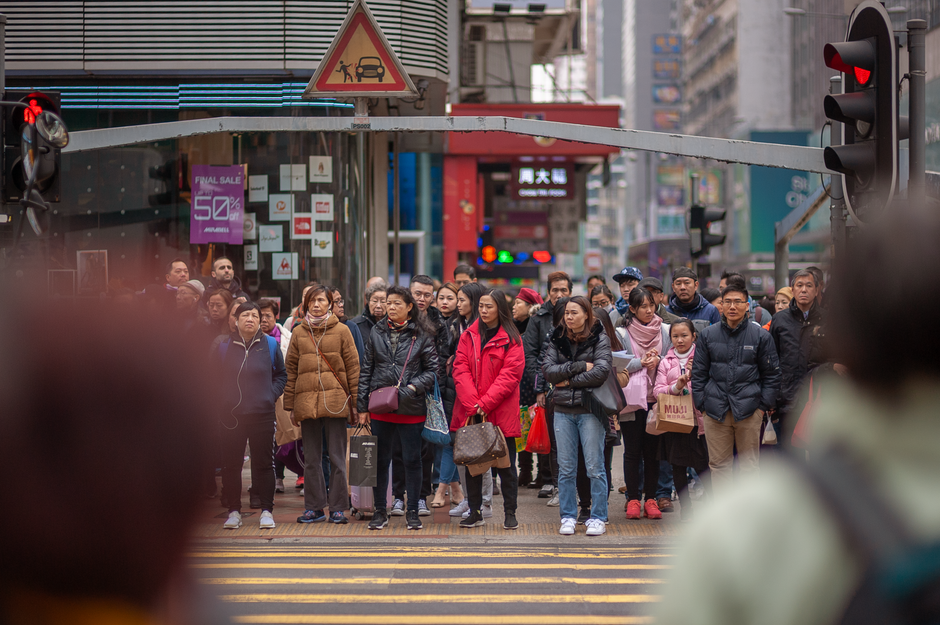
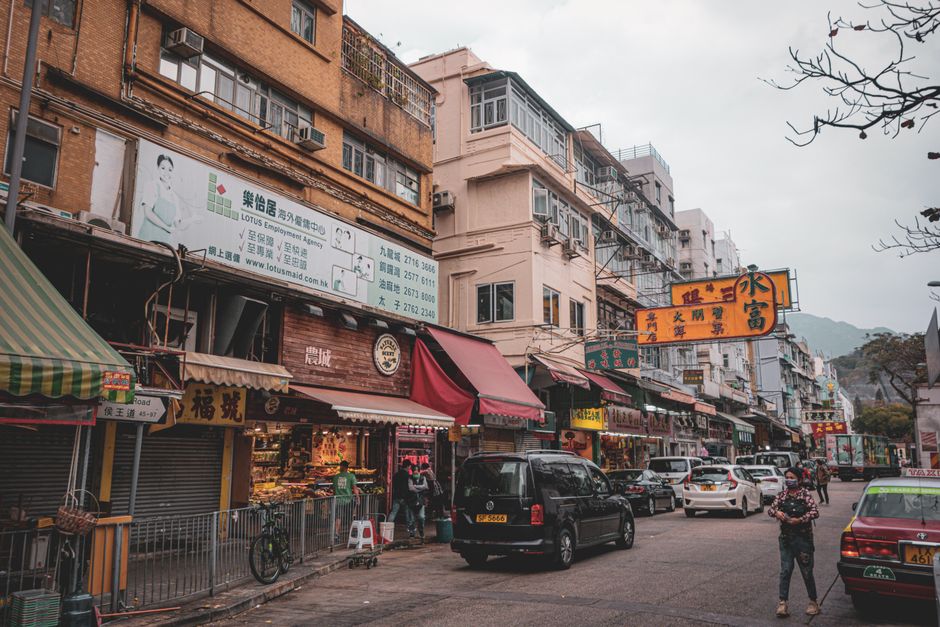
A comprehensive audit of neighbourhood improvement schemes across Hong Kong's oldest districts reveals an unexpected story: while foot traffic in traditional areas has declined by 23 per cent over the past five years, community-led initiatives have grown by 41 per cent, suggesting residents are actively reimagining their neighbourhoods from within.
The figures emerge from a forthcoming report by the District Planning and Community Development Bureau, analysing revitalisation efforts in Mong Kok, Sham Shui Po, and Wan Chai. In Mong Kok alone, 67 grassroots organisations now operate compared to 31 in 2021—more than doubling community engagement infrastructure. Average rent in the district's older residential blocks has stabilised at HK$18,500 monthly for a three-room unit, down from HK$22,000 in 2022, allowing younger families to remain in long-established communities.
The Street Projects Initiative, launched across Nathan Road's lower stretches and Apliu Street, documented 340 participatory design sessions involving 8,200 local residents since inception. Data shows 73 per cent of participants felt "more connected to neighbours" post-engagement, a metric traditionally difficult to quantify in urban planning.
Sham Shui Po's digital literacy programme, running since early 2024, has enrolled 2,340 residents aged 60 and above—96 per cent retention rate. A separate analysis of the district's wet market operations found that 58 per cent of stallholders have adopted basic e-payment systems, up from 12 per cent three years prior, indicating economic adaptation without displacement.
Yet challenges persist. Commercial vacancy rates in Mong Kok's secondary streets sit at 18.4 per cent, though this represents a slowdown from the 24 per cent recorded in 2024. Meanwhile, the average age of Sham Shui Po residents climbed to 46.8 years, the highest in Hong Kong, raising questions about intergenerational sustainability.
What strikes observers most is the correlation between data transparency and community trust. Districts publishing quarterly neighbourhood statistics—Wan Chai began this in January 2025—report 34 per cent higher participation in public consultations compared to peers. Three neighbourhood centres now employ dedicated data analysts tasked with translating urban metrics into accessible community reports.
As Hong Kong confronts questions about preserving authentic neighbourhoods amid globalisation, these figures suggest the answer lies not in preventing change, but in communities understanding, measuring, and steering it themselves. The numbers, it appears, tell stories of quiet persistence.
This article was compiled by AI from the sources linked above and screened before publishing. See our editorial standards.