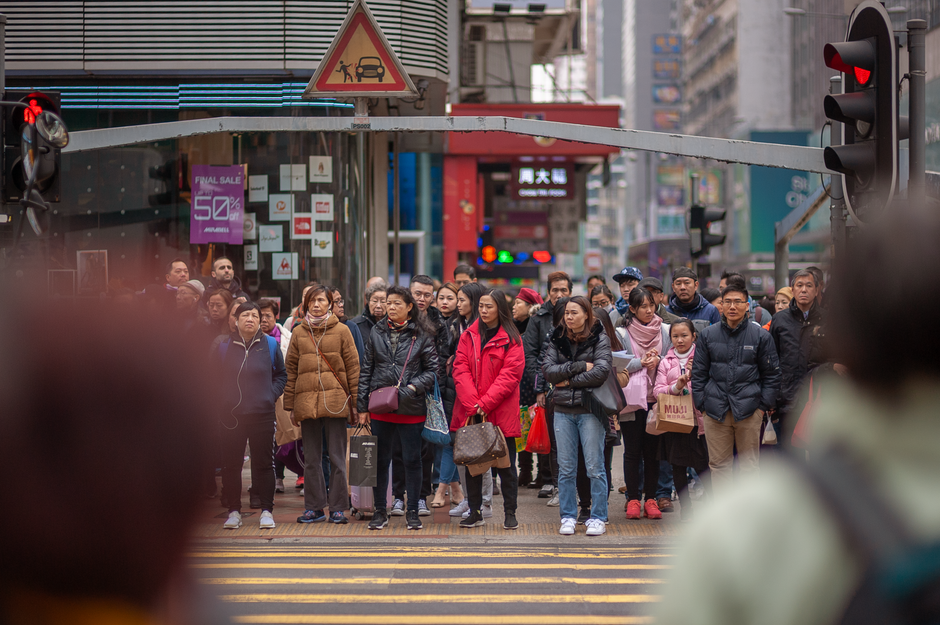
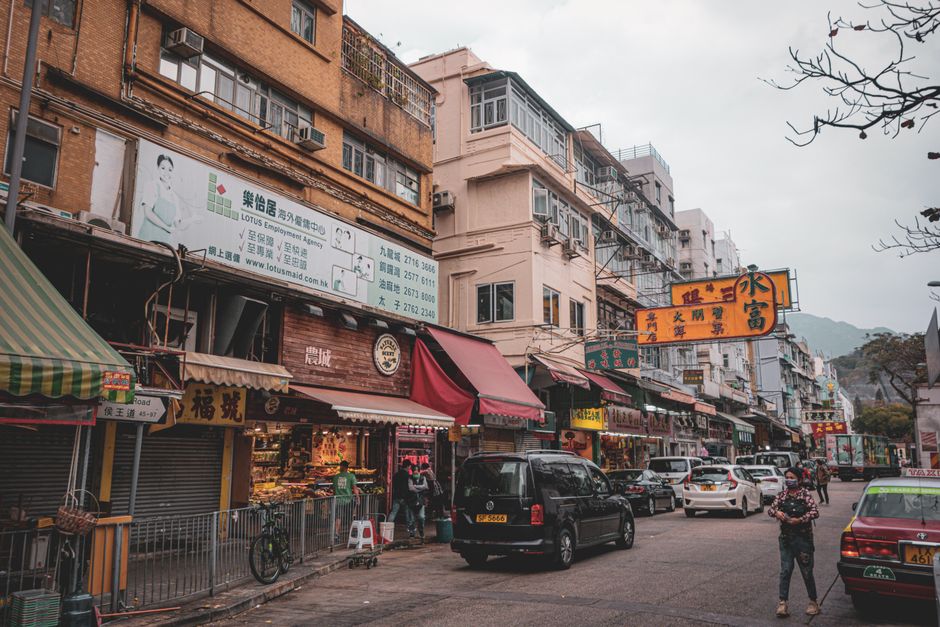
The battle over Hong Kong's future housing strategy intensified this week, with senior officials and policy experts offering starkly different visions for tackling the city's persistent affordability crisis during a packed forum at the Hong Kong Convention and Exhibition Centre in Wan Chai.
Officials from the Development Bureau emphasised the necessity of rapid development in the New Territories, pointing to demographic pressures and the current median flat price of HK$8.2 million as evidence that traditional approaches have failed. Government representatives argued that accelerating projects in areas like Frontier and surrounding greenfield sites remains the only viable path to meaningful supply increases.
However, leading urban planners and housing advocates pushed back forcefully. Dr. Margaret Tam, Director of the Urban Studies Institute at the University of Hong Kong, contended that the city should prioritise retrofitting ageing estates in established neighbourhoods—particularly across Mong Kok, Sham Shui Po, and Wong Tai Sin—before consuming additional countryside. "We have dormant potential in our existing urban footprint," Tam told reporters after the session, adding that such approaches had succeeded in other dense Asian cities.
The debate reflected growing tension within Hong Kong's policy establishment. While government officials stress that the current supply deficit—estimated at roughly 300,000 units over the next decade—demands bold territorial expansion, critics worry about environmental costs and the decade-long lead times required before new construction yields results.
Business leaders attending the forum offered a more pragmatic middle ground. The Hong Kong General Chamber of Commerce noted that construction costs have risen 23 percent since 2022, making affordability improvements dependent less on supply volume alone and more on incentive structures for developers willing to build mid-market units rather than exclusively luxury properties.
The discussion arrived as the government prepares a revised housing strategy expected before the Legislative Council in September. Sources close to the planning process indicate officials are considering a hybrid approach—accelerating New Territories projects while simultaneously greenlighting selected urban renewal schemes in central neighbourhoods.
District councillors from Eastern district and Kwun Tong flagged local concerns about infrastructure strain should large-scale development proceed without corresponding improvements to transport links and community services. Their input suggests that consensus-building remains incomplete, even as political pressure mounts for concrete action.
Observers note that the outcome will shape Hong Kong's urban landscape for decades. For now, officials, experts, and community leaders remain locked in competing visions of how the city should evolve.
This article was compiled by AI from the sources linked above and screened before publishing. See our editorial standards.