News
New MTR Fare Hike Approved: How Hong Kong Commuters Will Feel the Pinch in Coming Months
The transport authority's latest pricing decision will reshape daily budgets for millions of residents across the territory.
3 min read
News
The transport authority's latest pricing decision will reshape daily budgets for millions of residents across the territory.
3 min read
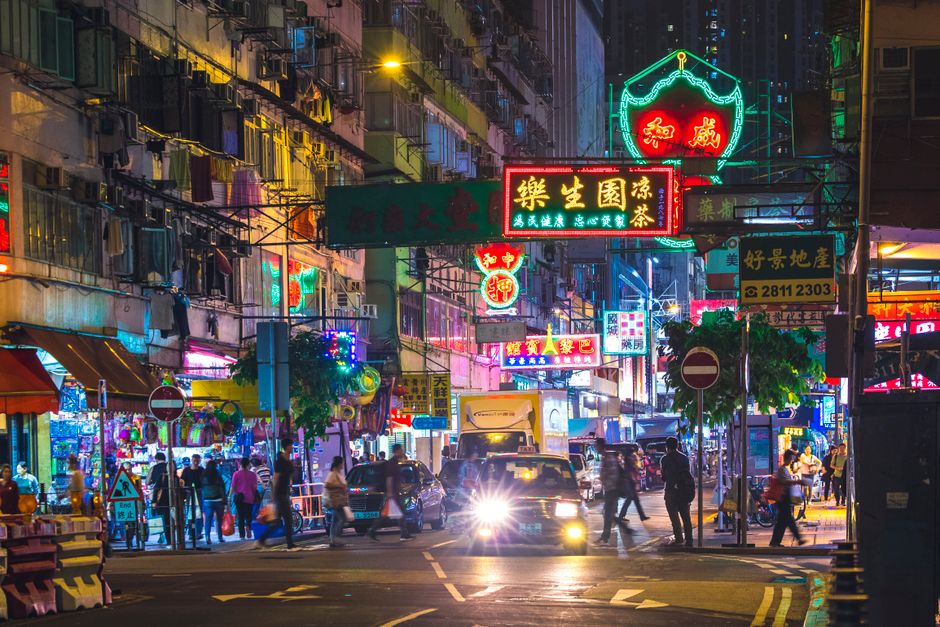
Hong Kong's Transport and Housing Bureau has greenlit a 3.2% increase in MTR fares effective September, marking the third consecutive year of hikes that will directly impact the commuting costs of some 5.7 million daily passengers. For many residents stretched thin by rising living expenses, the adjustment represents a meaningful shift in household budgeting that extends far beyond the turnstile.
The fare increase means a single adult journey from Central to Tsim Sha Tsui will rise from HK$9.80 to HK$10.10, while cross-harbour trips from Hong Kong Island to Kowloon Bay will climb to HK$12.30. For office workers making the same commute five days a week, that translates to an additional HK$30-50 monthly—money increasingly scarce in a city where median private housing prices have reached HK$13 million.
The decision will disproportionately affect lower-income households in outer districts like Sha Tin, Tuen Mun, and Kwai Tsing, where residents often depend on multiple MTR transfers to reach workplaces in Central or Wan Chai. Community organisations like the Hong Kong Women Workers' Association have flagged concerns that the hike will force difficult trade-offs: reduced spending on education, healthcare, or food for families already spending roughly 18% of income on transport.
Students remain relatively insulated through concessionary fares, but working professionals and elderly residents using Octopus cards will feel the full impact. The government's proposed subsidy scheme for low-income workers—covering up to 25% of monthly fares up to HK$300—will help some, but eligibility criteria remain narrow, excluding many precarious workers and self-employed individuals struggling in Hong Kong's gig economy.
The timing compounds existing pressures. With private vehicle ownership costs soaring and taxi fares already elevated, many residents have no viable alternatives to the MTR. Bus operators have also signalled likely fare increases within the year, suggesting transport costs across the system will rise simultaneously.
Public consultation periods for such decisions have historically drawn hundreds of submissions from district councils and resident groups, yet the final decision remained largely unchanged. This disconnect between community feedback and policy outcomes has become a recurring frustration for residents who feel their voices matter little in shaping services essential to daily life.
The government maintains that fares must rise to fund infrastructure improvements—including new extensions to the West Island Line and upgrades to aging signalling systems. Whether these benefits will be felt by commuters already struggling with affordability, however, remains an open question that will play out across Hong Kong's train platforms and household budgets for months to come.
This article was compiled by AI from the sources linked above and screened before publishing. See our editorial standards.
About this article
Published by The Daily Hong Kong
Spread the word
Daily brief
Free, in your inbox before 7am. Weekdays.
Before you go
The day's Hong Kong news in a 2-minute read. Free, weekday mornings.