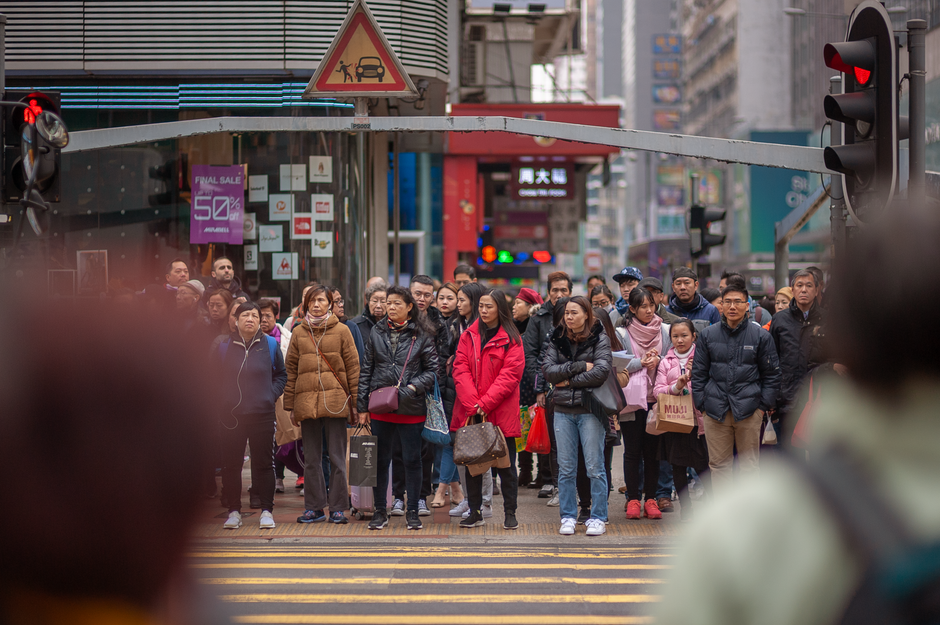
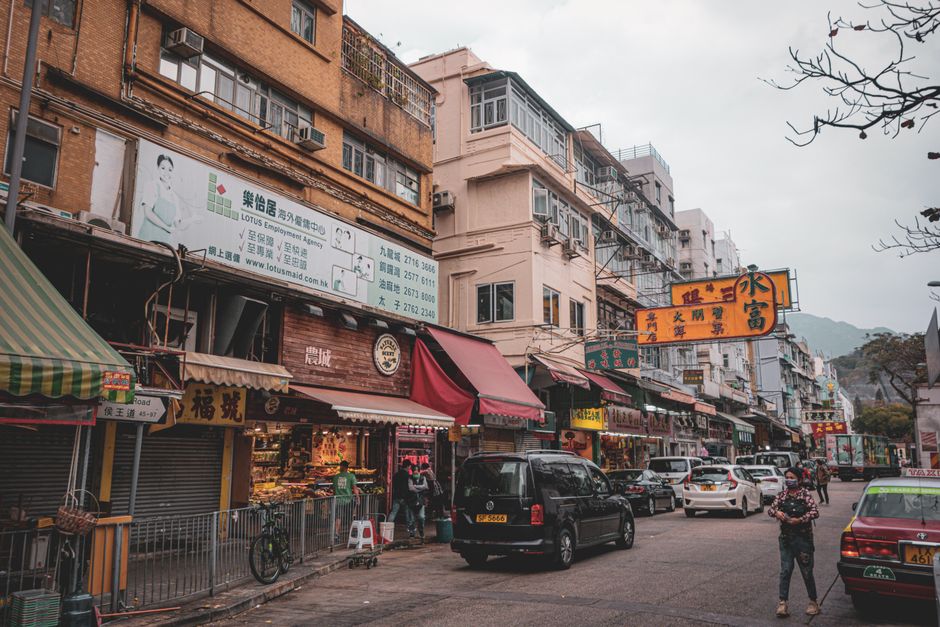
In a cramped apartment above a convenience store on Fa Yuen Street in Mong Kok, around a dozen migrant workers gathered last week to discuss their deepening anxiety about proposed employment contract amendments. The government's recent consultation paper, released in April, suggests tightening work visa conditions and introducing mandatory quarterly reviews for foreign domestic helpers and skilled workers. For many in Hong Kong's multicultural workforce, the changes feel existential.
"I came here eight years ago with a three-year contract," says Maria, a domestic worker from the Philippines who requested anonymity. "Now they want to review us every three months. That is unstable. That is fear." She represents one of approximately 380,000 migrant domestic workers in Hong Kong, according to the Labour Department, who collectively remit billions to families abroad each year.
The concern extends beyond household workers. At the Migrant Workers Centre, a non-profit organisation operating from a modest office in Sham Shui Po, staff report a 40 per cent surge in inquiries since the proposal's announcement. "We're seeing construction workers, healthcare aides, teachers—people across every sector reaching out," explains a centre coordinator. "They're asking whether they should plan to leave."
The economic implications are substantial. Migrant workers contribute an estimated HK$180 billion annually to Hong Kong's economy. Their remittances—often HK$8,000 to HK$15,000 monthly—support families across Southeast Asia, South Asia, and Africa. Uncertainty about contract stability could trigger a workforce exodus precisely when Hong Kong faces acute labour shortages in elderly care and domestic support.
At the Filipino Community Centre near Causeway Bay, members shared stories of employers already signalling potential reductions in hiring. "My employer asked me last week if I wanted to renew," one construction supervisor explained. "He said if rules get stricter, he might hire local workers instead. But there are not enough local workers willing to do this work."
Government officials argue the changes aim to protect workers and ensure compliance with employment standards. The Immigration Department states that quarterly reviews would "identify and address workplace grievances early." However, community groups argue the measures conflate regulation with restriction.
The Racial Discrimination Ordinance watchdog has remained silent on whether the proposals might disproportionately affect certain nationalities, though migration advocates are preparing formal submissions.
As the consultation period concludes in August, Hong Kong's migrant community waits anxiously. For many, their decision to stay or leave hinges on whether this city remains a place of opportunity—or one where uncertainty has finally become too costly.
This article was compiled by AI from the sources linked above and screened before publishing. See our editorial standards.