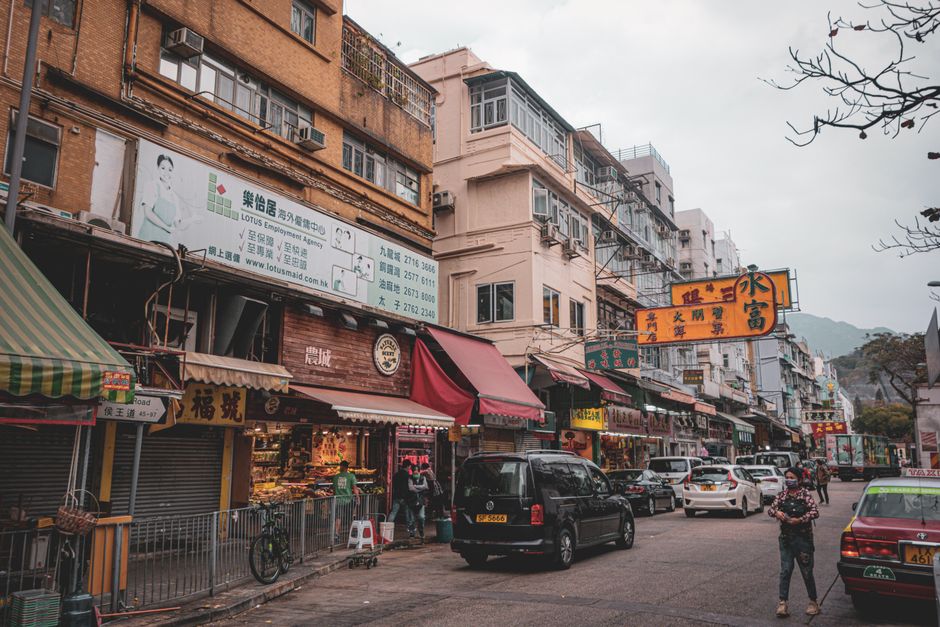
As temperatures soar across Hong Kong this week, the city's diverse migrant communities are grappling with a confluence of new pressures that threaten to alter the delicate balance they have maintained in this global hub.
The Immigration Department's announcement on Monday of stricter documentation requirements for dependant visa extensions has sent ripples through South Asian communities centred around Chungking Mansions in Tsim Sha Tsui, where an estimated 15,000 Pakistani, Bangladeshi, and Indian nationals call home. Processing times for renewals have stretched to six weeks, forcing many domestic helpers and students to navigate precarious legal limbo during the summer months when employment gaps are common.
Meanwhile, housing pressures have intensified. A survey by the Asian Migrants Coordinating Body, released Thursday, found that average rents for subdivided units in traditionally migrant-heavy neighbourhoods like Mong Kok and Sham Shui Po have risen 12 percent year-on-year to approximately HK$4,800 monthly for a 100-square-foot room. "We're seeing families choosing to leave rather than endure another lease cycle," said a spokesperson from the organisation, which has fielded a 40 percent surge in housing enquiries since June began.
Yet there are glimmers of progress. The opening of the new Integration Hub in Wong Tai Sin on Wednesday marks a significant milestone—the first municipally-supported centre dedicated exclusively to migrant settlement services. The facility, backed by the Social Welfare Department, offers free Cantonese classes, job placement workshops, and mental health counselling in six languages.
Filipino communities have mobilised too. The Filipino-Chinese Chamber of Commerce announced expanded microloan schemes this week, with initial funding of HK$2 million earmarked for small-business ventures. The initiative comes amid growing entrepreneurship among overseas Filipino workers, particularly in the catering and beauty sectors around Central and Wan Chai.
Simultaneously, refugee advocacy groups have raised alarms about processing delays for asylum seekers awaiting status determination. The UN Refugee Agency's Hong Kong office reported that backlogs have extended average waiting periods to 18 months, up from 14 months last year.
For Hong Kong's multicultural fabric—woven by some 600,000 non-local residents—this pivotal week encapsulates both systemic friction and grassroots resilience. As the city continues its precarious balancing act between economic pragmatism and social integration, migrant communities remain at the frontline of that negotiation.
This article was compiled by AI from the sources linked above and screened before publishing. See our editorial standards.