News
Behind the Rhetoric: The Numbers Reshaping Hong Kong's District Councils
New data reveals how spending patterns, voter turnout, and infrastructure investment are quietly redrawing the city's political landscape.
2 min read
Updated 22 h ago
News
New data reveals how spending patterns, voter turnout, and infrastructure investment are quietly redrawing the city's political landscape.
2 min read
Updated 22 h ago
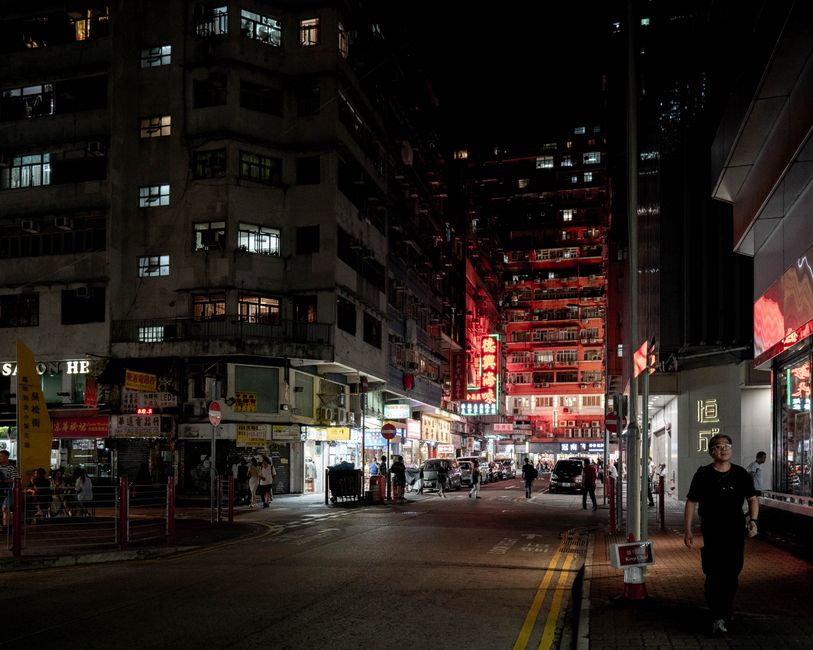
As Hong Kong's District Councils prepare for their refreshed mandate under new governance frameworks, a deeper examination of financial data and participation metrics tells a story far more complex than headline announcements suggest.
Recent figures released by the Home Affairs Department show that District Council spending across the 18 districts totalled HK$2.74 billion in the 2025-26 financial year, a 12% increase from the previous cycle. However, distribution remains strikingly uneven. The Eastern District, encompassing areas from Quarry Bay to Shau Kei Wan, commanded HK$178 million—nearly 6.5% of total spending—while outlying districts like the Islands and North recorded considerably smaller allocations despite covering larger geographical areas.
Voter participation data presents an equally revealing picture. In the 2023 District Council elections, turnout across Hong Kong averaged 40.6%, marking a significant recovery from pandemic-era lows. Yet granular breakdowns show marked disparities: Central and Western posted 48.2% participation, while outer New Territories districts like Yuen Long and Tuen Mun hovered around 31-33%. These numbers suggest persistent urban-rural engagement gaps that council representatives have struggled to address.
Infrastructure investment priorities, tracked through the Funding and Discretionary Fund allocations, reveal shifting priorities. Between 2024 and 2026, HK$340 million was earmarked for transport-related projects—bus shelters, pedestrian improvements, cycle lanes—concentrated primarily along MTR corridors in Kwai Tsing, Sham Shui Po, and Wong Tai Sin. Community facilities received HK$210 million, with leisure centres and elderly care venues dominating the allocation list across all districts.
Perhaps most telling are the human resources commitments. District offices now employ 1,247 full-time staff across all 18 districts, up 8% year-on-year. Yet efficiency metrics vary dramatically: Kowloon City's office handles approximately 6,400 enquiries monthly with a staff of 72, while similarly-sized Central and Western manages 4,100 monthly enquiries with 68 staff—raising questions about service delivery consistency.
Looking forward, the statistics suggest resource constraints remain the primary bottleneck. With Hong Kong's general revenue budget increasingly strained, District Council annual allocations have grown only 3.2% over the past three years—below inflation rates. This reality, more than any policy statement, indicates the practical limitations facing councillors as they navigate public expectations on everything from street maintenance to community engagement.
The numbers tell a story of incremental change, persistent inequalities, and the fundamental tension between ambitions and available resources that characterises local governance in 2026.
This article was compiled by AI from the sources linked above and screened before publishing. See our editorial standards.
About this article
Published by The Daily Hong Kong
Spread the word
Daily brief
Free, in your inbox before 7am. Weekdays.
Before you go
The day's Hong Kong news in a 2-minute read. Free, weekday mornings.