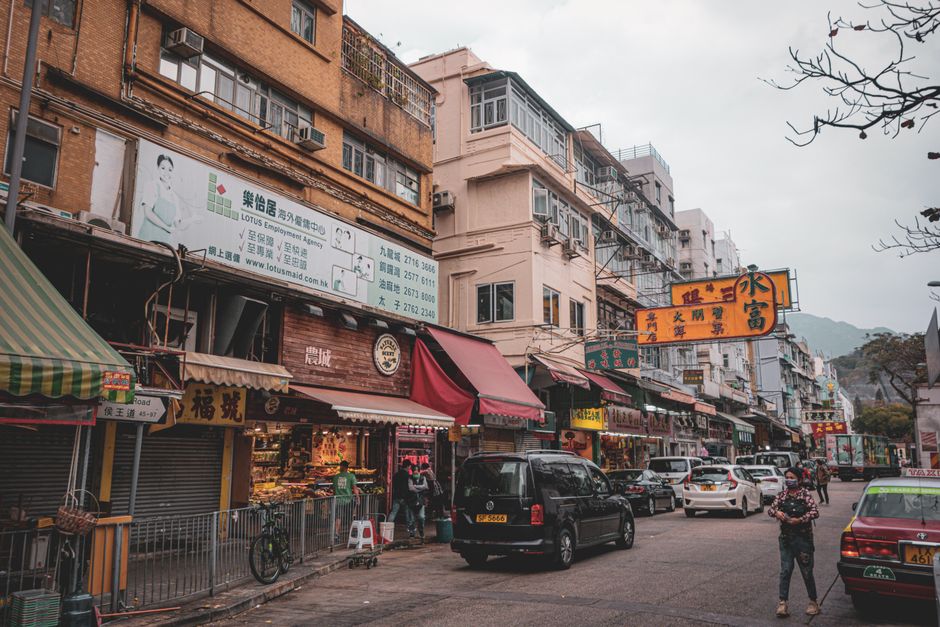
The consultation notices went up quietly in late May, tucked beneath layers of construction dust in the narrow lanes of Mong Kok. The Urban Renewal Authority's latest plan targets several aging residential blocks along Argyle Street for demolition and redevelopment, promising modern housing and commercial spaces. But for the families who have called these buildings home for decades, the announcement feels less like progress and more like displacement.
"They tell us we're making the city better, but better for whom?" asked one long-time resident of a Mong Kok tenement, speaking on condition of anonymity. "The compensation they offer doesn't come close to finding anything in this neighbourhood anymore."
Hong Kong's housing crisis remains acute. Median flat prices have climbed past HK$12 million, while the Gini coefficient for housing wealth now exceeds 0.54—among the world's highest. The government's response has centred on accelerated urban renewal and increased development density, particularly in older districts like Mong Kok, Sham Shui Po, and parts of Wan Chai. While officials promote these projects as solutions to housing scarcity, affected residents describe a different reality: communities fractured, rents soaring in surrounding areas, and elderly residents struggling to find alternative accommodation within their neighbourhoods.
Advocacy groups working in these districts have become focal points for resident concerns. The Society for Community Organization, which operates outreach centres across Sham Shui Po, reports fielding three times as many housing-related inquiries this year compared to 2024. Staff members note that relocation compensation often fails to account for the hidden costs of displacement—the loss of social networks, proximity to long-established medical clinics, and access to affordable dai pai dong restaurants that form the backbone of daily life for elderly residents.
"Densification makes sense on spreadsheets," explained one community worker, speaking on behalf of her organisation. "But when you're 78 years old and have lived on the same street for forty years, moving two kilometres away might as well be moving to another city."
The government maintains that new housing units—including public housing and subsidised flats—will adequately compensate for displaced residents. However, construction timelines stretch across five to seven years, leaving a critical gap during which affected families must navigate an increasingly unaffordable market. Recent data shows private rents in Mong Kok have risen 18 percent since 2024, driven partly by anticipatory speculation ahead of planned redevelopments.
As consultation periods close and planning approvals advance, residents and advocates argue that Hong Kong's housing policy prioritises supply figures over community stability. Without meaningful protections for long-term residents, they warn, the city risks solving its housing shortage while creating new crises of social fragmentation.
This article was compiled by AI from the sources linked above and screened before publishing. See our editorial standards.