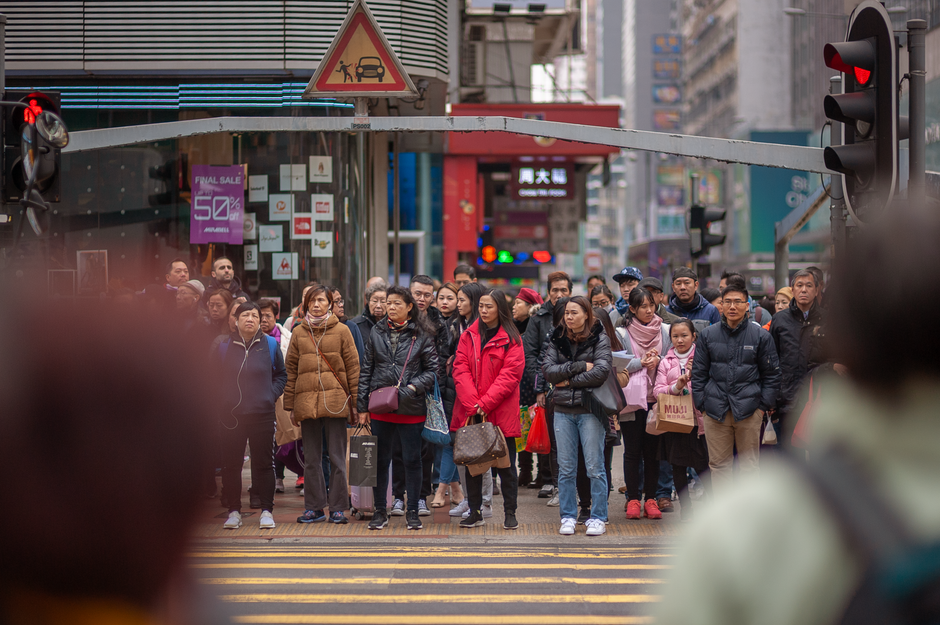
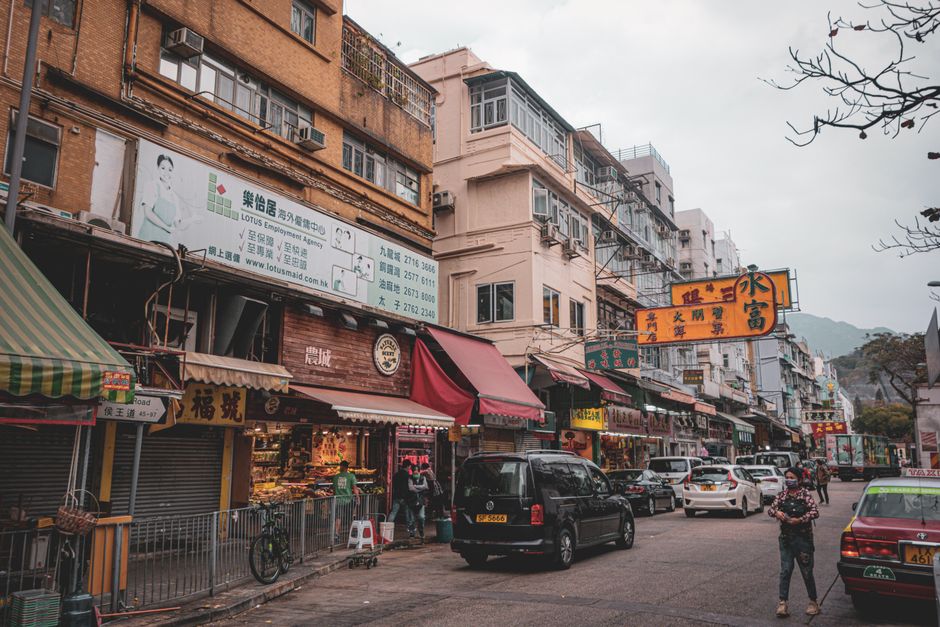
Walking home after midnight has become an anxiety-inducing ritual for many residents of Mong Kok and Sham Shui Po. Recent months have seen a noticeable uptick in street robberies and gang-related incidents across these traditionally bustling districts, prompting affected community members to voice urgent concerns about public safety.
According to data released by the Hong Kong Police Force last month, reported crimes in Kowloon's densely-populated areas increased by 18 per cent year-on-year, with robberies and assaults accounting for nearly 40 per cent of all reported incidents. The figures have rattled long-time residents and business operators who say the situation has deteriorated noticeably.
Shop owners along Argyle Street in Mong Kok report installing additional CCTV cameras and hiring security personnel—adding thousands of dollars monthly to operating costs already squeezed by declining foot traffic. "I've been running my restaurant here for 28 years," said one proprietor who requested anonymity. "I've never felt this unsettled. Customers are hesitant to stay late, and delivery drivers refuse certain areas after dark."
The Hong Kong Police Force established additional community liaison offices in both districts last April, yet residents express frustration that visible patrols remain insufficient. At a Sham Shui Po community centre meeting last week, attendees called for expanded night-time foot patrols and better coordination between local police and neighbourhood watch groups.
Dr Margaret Wong, a social worker with the Community Services Centre in Sham Shui Po, noted that vulnerable populations face particular risks. "Elderly residents are frequently targeted because they carry cash," she explained. "We've documented a 35 per cent increase in reported robbery cases involving seniors over the past eight months."
Youth engagement programmes have emerged as one proposed solution. The Mong Kok Youth Centre has expanded evening sports and recreational activities, citing preliminary evidence that structured evening activities correlate with reduced street incidents in comparable neighbourhoods. Capacity has increased by 40 per cent to accommodate demand.
Residents emphasise they do not blame individual police officers but rather systemic resource allocation. "We need long-term commitment, not just temporary task forces," stated one community leader. "Prevention requires sustained presence and neighbourhood trust."
The Hong Kong government has pledged to review policing strategies in high-crime areas by the third quarter of this year. Meanwhile, residents continue advocating for tangible changes—increased patrols, speedier response times, and collaborative crime prevention strategies that prioritise community voices in safety planning.
This article was compiled by AI from the sources linked above and screened before publishing. See our editorial standards.