Sham Shui Po's New Community Hub Transforms a Forgotten Neighbourhood Into a Gathering Space for 40,000 Residents
As property prices soar across Hong Kong, one grassroots initiative is proving that affordable, accessible spaces remain crucial for keeping tight-knit communities from fragmenting.
This article was generated by AI from the linked public sources. The Daily Hong Kong is independently owned and covers Hong Kong news free from advertiser or sponsor influence. Read our editorial standards →
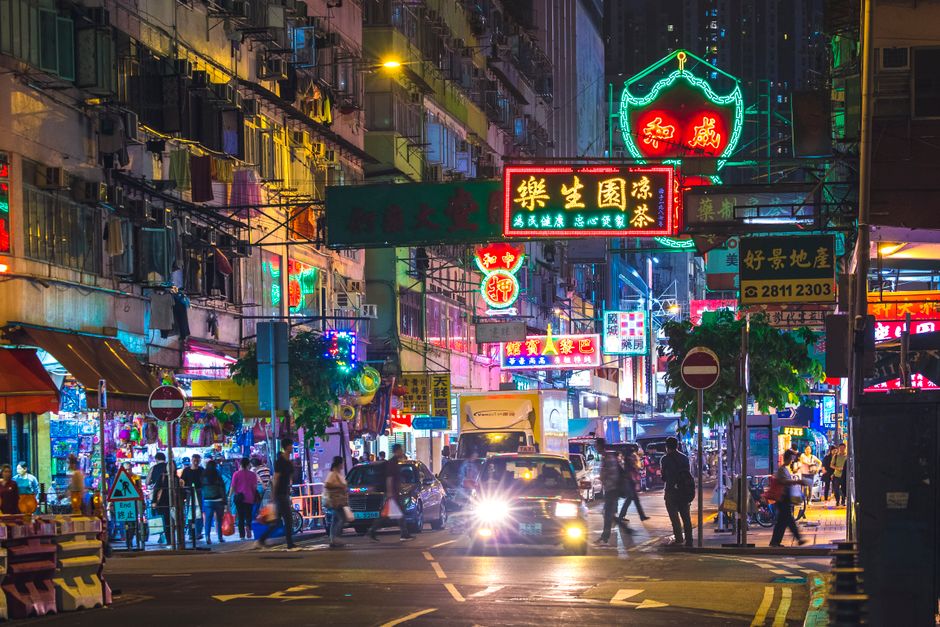
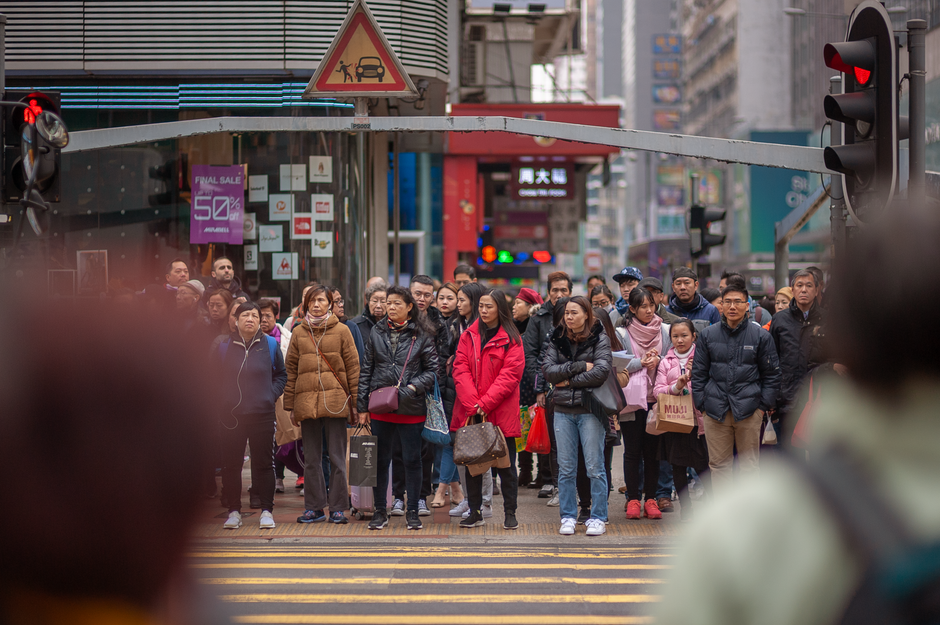
The opening of the Sham Shui Po Community Centre on Apliu Street last month marks a quiet but significant victory for one of Hong Kong's most densely packed neighbourhoods. Built on a site that sat vacant for nearly three years, the 5,000-square-metre facility now serves approximately 40,000 residents across a 2-kilometre radius—a demographic largely priced out of the city's gleaming shopping malls and corporate leisure spaces.
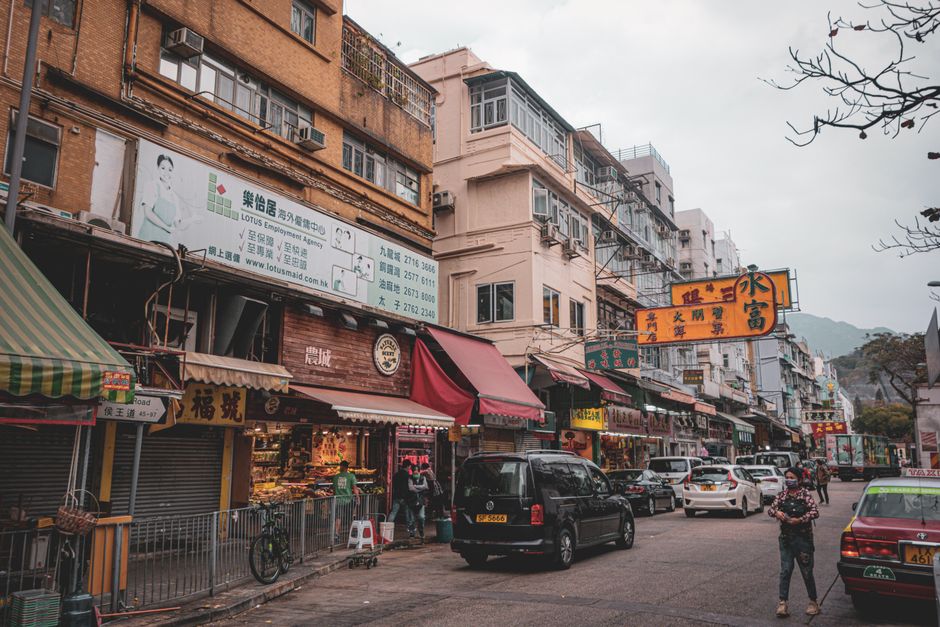
For decades, Sham Shui Po has been synonymous with grit and character: vintage electronics shops, dai pai dong eateries, and multigenerational families living in subdivided apartments. Yet rapid gentrification has quietly eroded the informal gathering places that once defined neighbourhood life. The closure of two neighbourhood community centres between 2018 and 2023 left residents—many elderly—without accessible venues for social activities, health screenings, or simply gathering with peers.
The new hub addresses this gap directly. Operating at HK$50 per month for full membership, it undercuts commercial fitness centres by 80 per cent and offers subsidised programmes for residents over 60. Facilities include a cooking studio, IT training rooms, badminton courts, and a 200-seat multipurpose hall—resources that, in this neighbourhood's tight urban footprint, might otherwise be accessed only at premium prices across town.
Community groups working in the area say the centre is already proving its worth. Within six weeks, over 2,800 residents had registered for membership. The neighbourhood's elderly population, many of whom live alone or in cramped quarters, now have daily gathering spaces. Informal networks—crucial for detecting signs of elderly isolation and neglect—have begun reforming around the café area and tai chi classes.
What makes this story resonate beyond Sham Shui Po is the underlying pattern it reveals. Hong Kong's property-driven economy has systematized the privatization of communal space. Coffee shops that once served as informal community hubs now operate on razor-thin margins, replaced by chain franchises or closed entirely. The social infrastructure that holds neighbourhoods together—free or low-cost spaces where strangers become neighbours—faces constant pressure.
For Sham Shui Po residents, this centre represents something increasingly rare: a genuine investment in community continuity rather than property value extraction. Whether similar models can be replicated across other ageing, lower-income neighbourhoods remains an open question—one that will likely define whether Hong Kong's remaining working-class communities survive the next decade intact.
This article was compiled by AI from the sources linked above and screened before publishing. See our editorial standards.
Covering news in Hong Kong. This article was generated by AI from the linked sources and was not reviewed by a human editor before publishing. See our editorial standards.