News
Hong Kong's migrant communities navigate fresh challenges as visa rules tighten this week
New employment restrictions and housing pressures reshape life for the city's 650,000 foreign residents.
2 min read
News
New employment restrictions and housing pressures reshape life for the city's 650,000 foreign residents.
2 min read
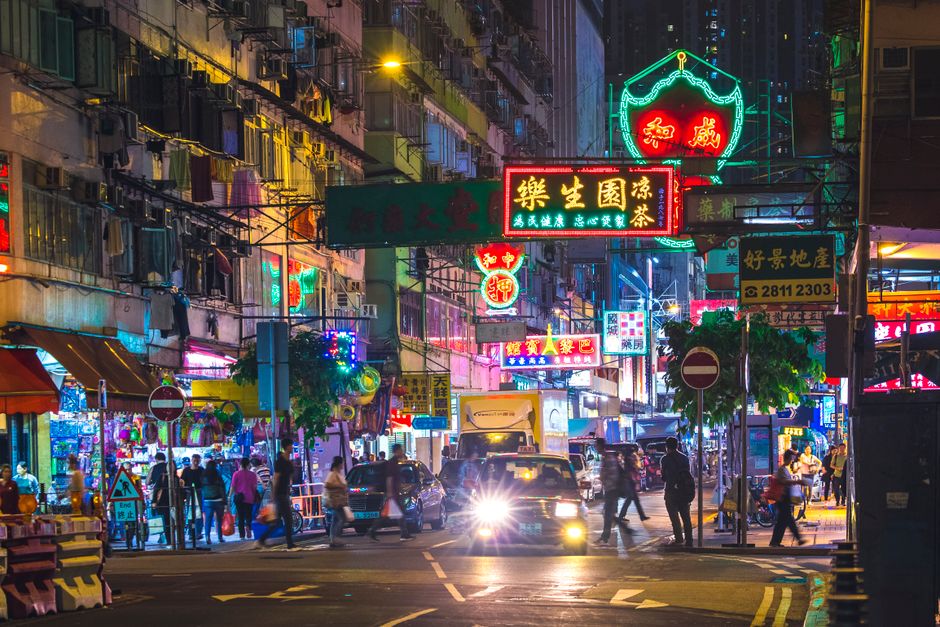
Hong Kong's multicultural fabric faced fresh strains this week as the Immigration Department announced stricter verification protocols for foreign domestic workers renewing visas—a move affecting roughly 380,000 domestic helpers, predominantly from the Philippines and Indonesia.
The new measures, effective immediately, require additional documentation proving current employment and accommodation standards, creating a backlog at the immigration office in Wanchai. Agents working across the Chungking Mansions district in Tsim Sha Tsui—where many migrant workers gather—reported longer processing times and increased service fees reaching HK$800 per application.
"We're seeing genuine anxiety among our communities," said activists monitoring the situation at Kowloon Tong, where several migrant support organisations operate. The timing compounds existing housing pressures: rental costs for subdivided units in areas like Mong Kok and Sham Shui Po, where many migrant workers concentrate, have climbed 12 percent year-on-year, now averaging HK$4,500 monthly for a partitioned room.
Meanwhile, recognition of foreign qualifications improved slightly. The University of Hong Kong's International Credential Assessment Centre processed 340 applications last month—a 15 percent increase—helping skilled migrants from Commonwealth nations access professional roles. However, applicants from non-English speaking regions still face delays averaging eight weeks.
The week also saw positive momentum in community integration. The Integration Hub at Causeway Bay, a government-supported initiative, launched mentorship programmes connecting 200 newly arrived families with established Hong Kong residents. Attendance at Lunar New Year celebration classes and Cantonese language courses at community centres across the New Territories surged 23 percent.
Healthcare access remains fractured. While the government expanded subsidised services at public clinics in districts with high migrant populations—Mongkok, Causeway Bay, and Central—private medical costs continue deterring many. Vaccinations and preventive care uptake among migrant communities sits at 58 percent, significantly below the 78 percent citywide average.
Pan-community organisations report heightened concerns about family separation, with Pakistan-Hong Kong and South Asian advocacy groups documenting cases where visa rejections force relatives to delay reunification indefinitely. Processing times for dependent visas stretched to 16 weeks this quarter.
Looking ahead, consultations on a proposed points-based skilled migration scheme—potentially opening pathways for tech workers, healthcare professionals, and educators—begin next month. Community leaders are scrutinising whether the framework will meaningfully expand opportunities or further concentrate migration benefits among high-income earners, deepening divisions within Hong Kong's increasingly complex multicultural population.
This article was compiled by AI from the sources linked above and screened before publishing. See our editorial standards.
About this article
Published by The Daily Hong Kong
Spread the word
Daily brief
Free, in your inbox before 7am. Weekdays.
Before you go
The day's Hong Kong news in a 2-minute read. Free, weekday mornings.