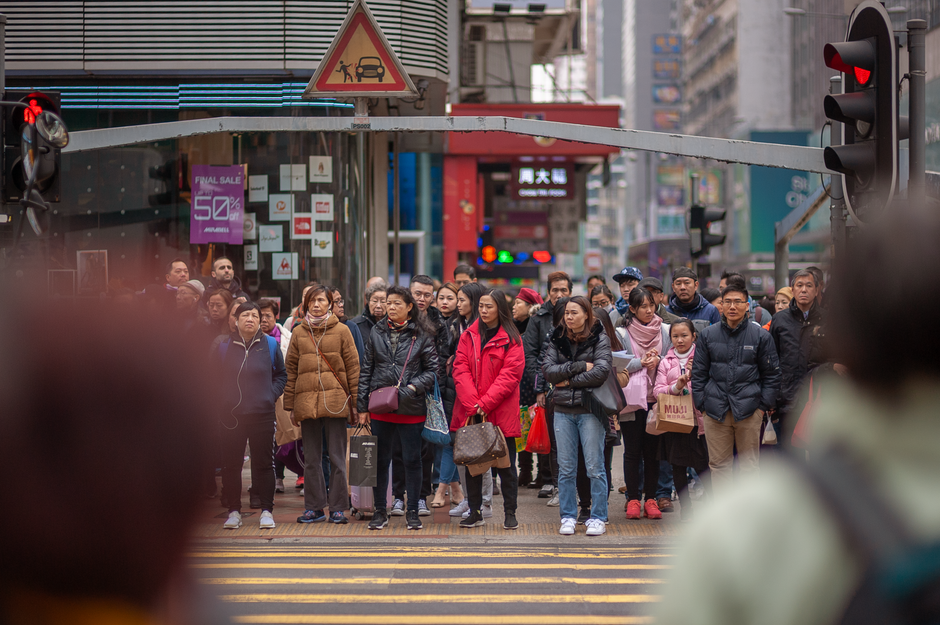
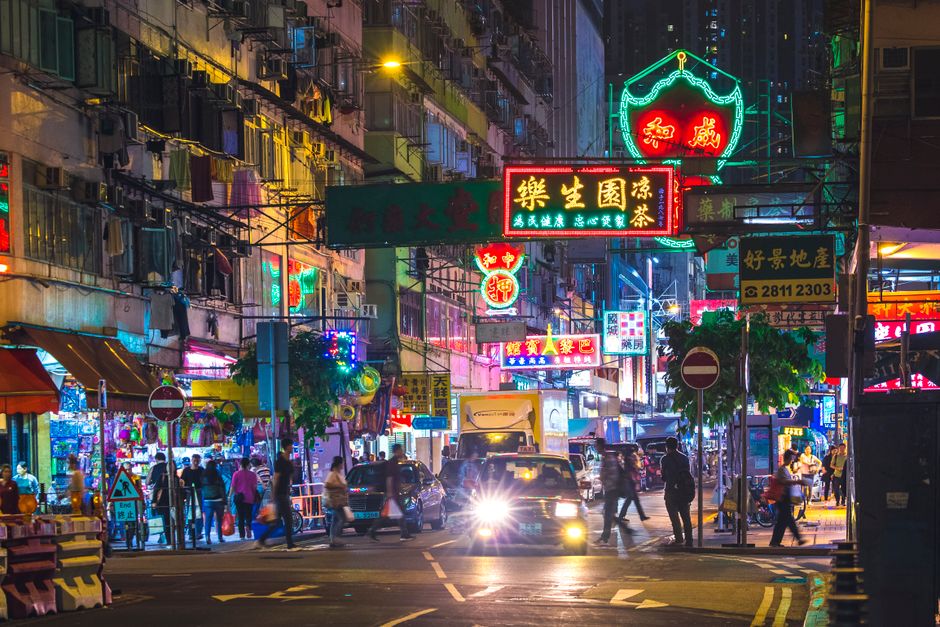
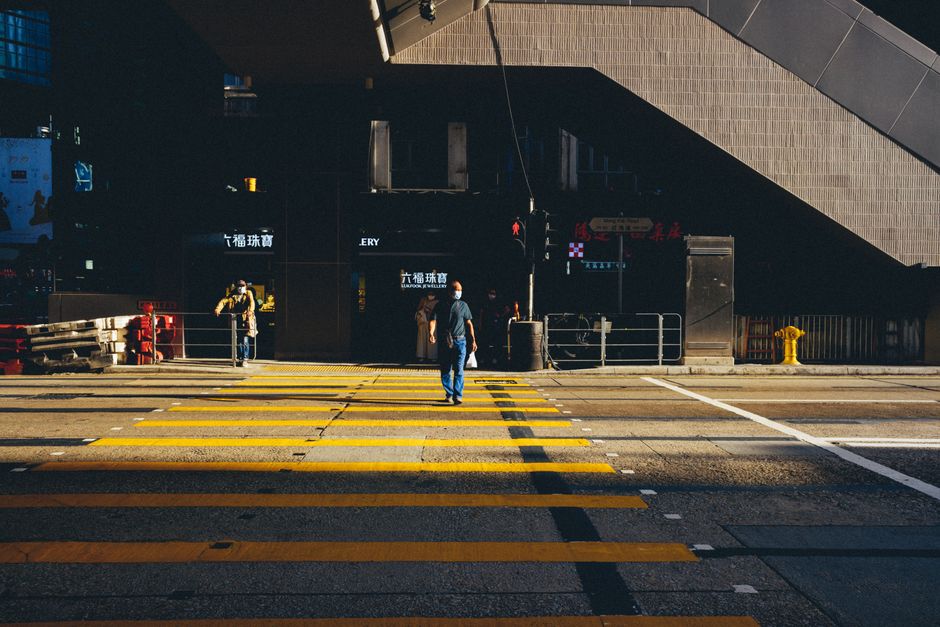
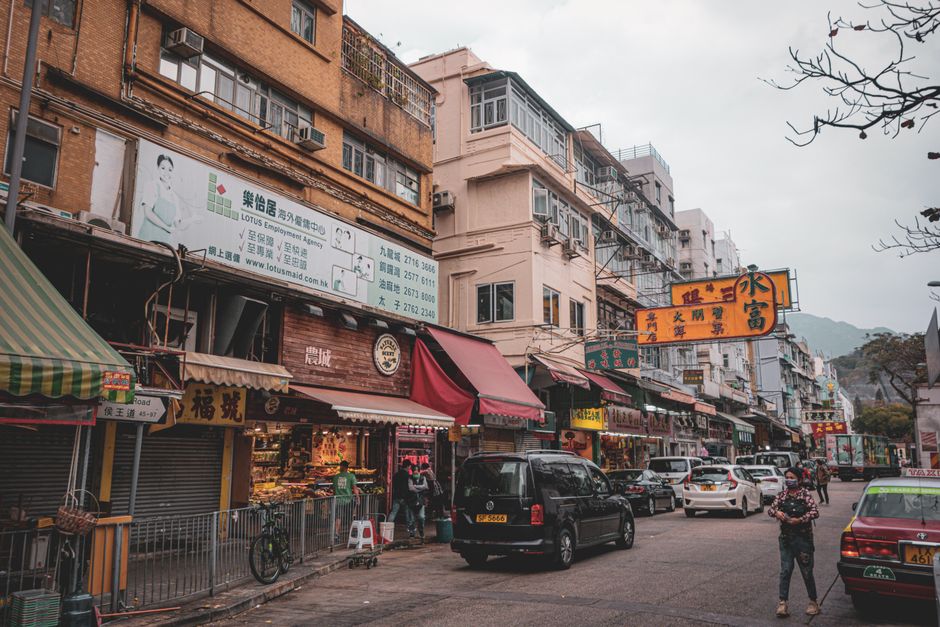
On a humid afternoon in Mong Kok, clusters of residents gathered outside Argyle Street Community Centre, comparing notes on the government's latest urban planning proposal. The consensus was unmistakable: they felt sidelined in decisions that would fundamentally alter their surroundings.
The housing authority's plan to rezone 8.3 hectares across three Kowloon districts for increased residential density has sparked growing anxiety among those who have lived in these communities for decades. In Sham Shui Po, where median flat sizes have already shrunk by 15 per cent over the past five years, residents worry about mounting pressure on already-stretched public services, healthcare facilities, and neighbourhood character.
"My family has been in this area for forty years," said one long-time Sham Shui Po resident during a community forum last month. "But when they held the consultation sessions, they were scheduled during work hours. How are working people supposed to attend? It felt like theatre, not genuine dialogue."
The anxiety extends beyond density concerns. Current median public housing waiting times have stretched to 5.3 years, yet new private developments in areas like To Kwa Wan are priced at HK$18,000 per square foot—pricing out most local families. Many residents question whether new construction truly addresses affordability or simply enables property speculation.
In Tai Kok Tsui, where the government has designated zones for mixed-use development, elderly residents expressed particular concern. Community organisations report that older residents in the area often rely on nearby wet markets, neighbourhood clinics, and social services—amenities that frequently disappear when districts undergo rapid transformation.
The government maintains that densification is essential to meet Hong Kong's housing shortage, projecting a deficit of 300,000 units by 2030. Officials emphasise that consultation periods comply with statutory requirements and that environmental impact assessments are thorough.
Yet residents and community groups argue the real problem lies not in the letter of the law, but its spirit. "Consultation" shouldn't mean informing people of decisions already made, advocates argue, but genuinely incorporating resident priorities into planning frameworks.
As Hong Kong grapples with balancing acute housing needs against livelihood concerns, this tension—between top-down policy efficiency and grassroots input—remains fundamentally unresolved. Without meaningful dialogue, experts warn, rapid urban transformation risks creating dystopian high-rises disconnected from the communities they're meant to serve.
This article was compiled by AI from the sources linked above and screened before publishing. See our editorial standards.