News
How Sham Shui Po's Aging Community Centres Became a Flashpoint for Change
Years of neglect and under-investment in district facilities reveal the deeper pressures facing Hong Kong's older neighbourhoods.
3 min read
News
Years of neglect and under-investment in district facilities reveal the deeper pressures facing Hong Kong's older neighbourhoods.
3 min read
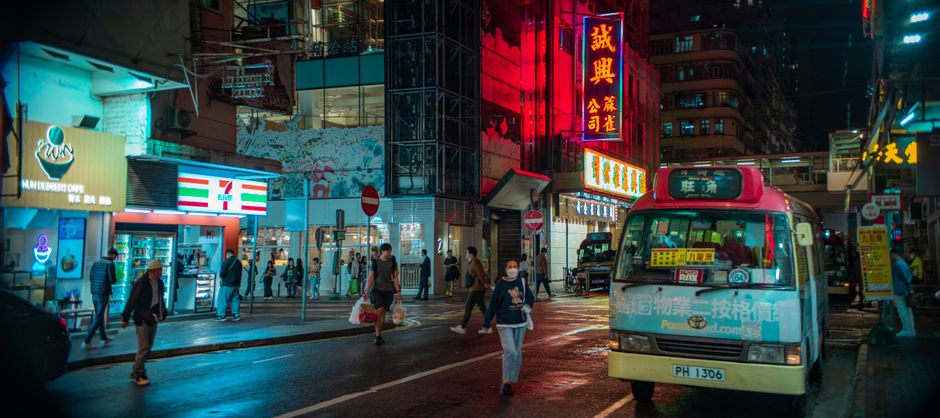
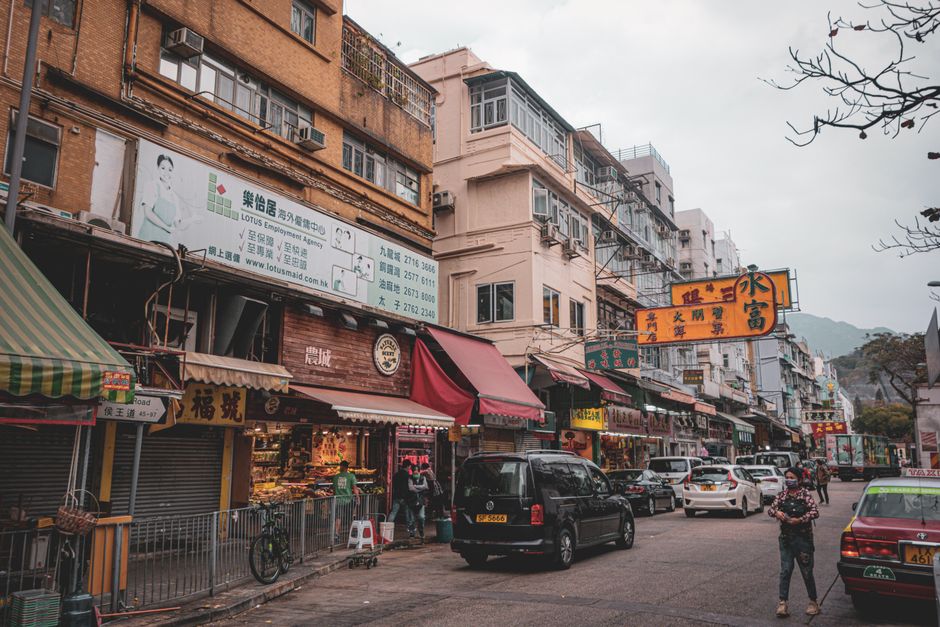
The Sham Shui Po District has undergone a quiet transformation over the past decade, though not always for the better. What was once a thriving blue-collar neighbourhood centred around its traditional markets and tight-knit community spaces has increasingly become a case study in urban decline—not through dramatic collapse, but through the slow erosion of the very institutions that held its social fabric together.
The roots of this crisis run deep. Between 2016 and 2024, three community centres in the district either reduced operating hours or shuttered entirely, leaving an estimated 12,000 elderly residents without accessible daytime facilities. Cheung Sha Wan Recreation Ground, long a meeting point for retirees, saw its operational budget cut by 23 per cent following a 2020 government efficiency review. Meanwhile, private developers acquired several heritage buildings along Un Chau Street, converting them into luxury residential units that priced out long-standing residents.
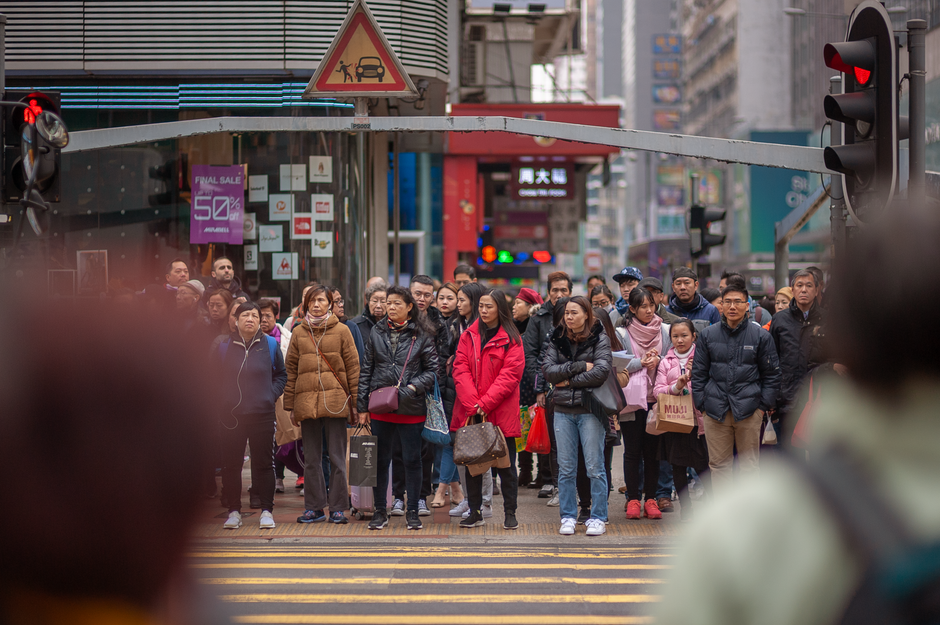
The demographic picture explains much of the pressure. Sham Shui Po has the highest concentration of residents aged 65 and above in Hong Kong's urban core—nearly 31 per cent of the population, compared to the citywide average of 20 per cent. Coupled with median monthly rents that have climbed to HK$18,000 for a modest two-bedroom flat, younger families have steadily relocated to the New Territories, leaving behind an increasingly isolated elderly population.
Local non-profit organisations attempted to fill the gap. Groups like the Sham Shui Po Community Development Council launched volunteer-run programmes from cramped shophouse spaces, but resources remained chronically stretched. A 2024 survey by the Hong Kong Council of Social Service found that 67 per cent of elderly residents in the district felt socially isolated, a figure that had risen steadily since 2019.
What changed the conversation was not a single dramatic event, but rather a confluence of grassroots activism. In early 2025, residents and community workers began documenting the lived impact of facility closures through a series of public forums held in temple courtyards and dai pai dong restaurants—spaces that required no booking, no membership, just a cup of tea and a seat at a shared table.
These gatherings produced concrete proposals: a reinvestment plan calling for HK$80 million to rehabilitate three shuttered community spaces, a job training programme targeting residents over 55, and revised planning guidelines to preserve affordable housing in the district. District councillors took notice, and by mid-2025, the first of these proposals had advanced to the Urban Renewal Authority.
Today, Sham Shui Po stands at a critical juncture. The story of its community centres is ultimately a story about how Hong Kong's oldest neighbourhoods are choosing between managed decline and collective renewal.
This article was compiled by AI from the sources linked above and screened before publishing. See our editorial standards.
About this article
Published by The Daily Hong Kong
Spread the word
Daily brief
Free, in your inbox before 7am. Weekdays.
Before you go
The day's Hong Kong news in a 2-minute read. Free, weekday mornings.