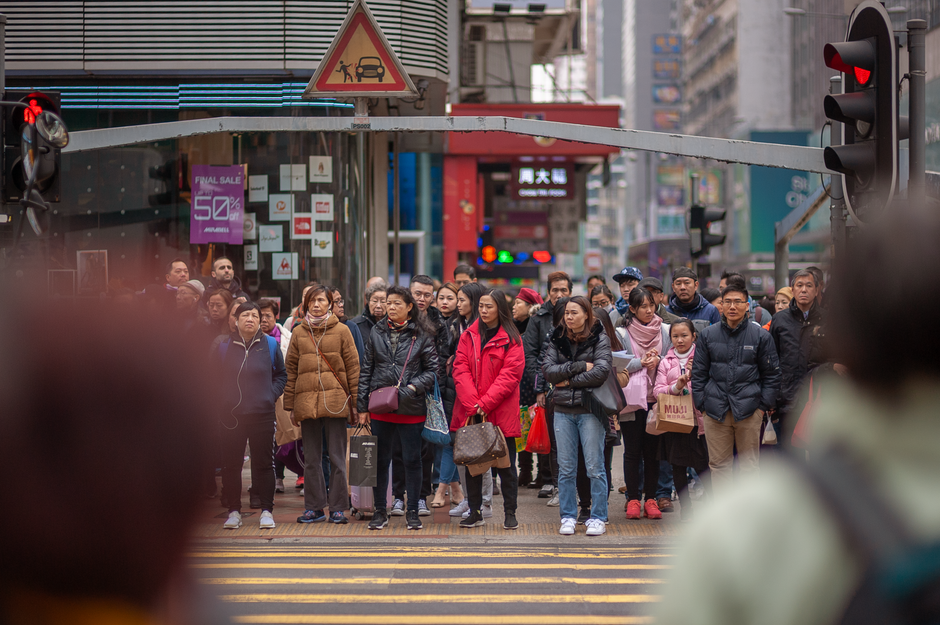
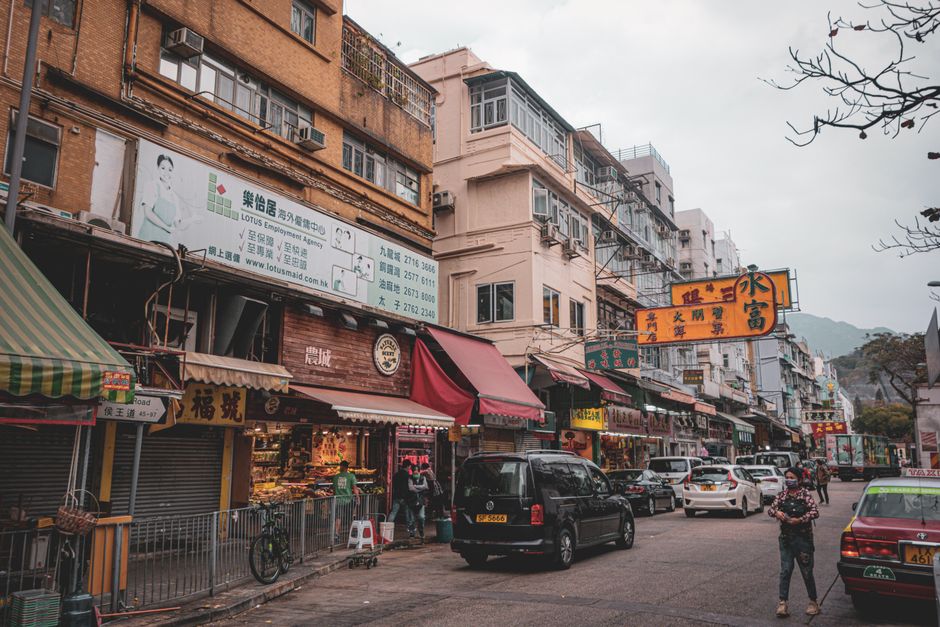
When Priya Sharma arrived in Hong Kong three years ago as a financial analyst, she expected the usual expatriate experience: clustered housing, predictable social circles, minimal integration. Instead, she found herself attending Cantonese classes in Causeway Bay and regularly dining in family-run restaurants across Sham Shui Po alongside long-term Filipino domestic workers and Indonesian entrepreneurs.
Her experience reflects a broader reality: Hong Kong, home to approximately 600,000 foreign residents—roughly 8% of the population—has developed a distinctly pragmatic approach to multiculturalism that contrasts sharply with how peer cities globally are navigating migration pressures in 2026.
Unlike London, where integration debates dominate policy discussions following recent social tensions, or Dubai, where migrant communities largely remain economically segregated, Hong Kong has adopted what local integration specialists describe as "functional coexistence." The city doesn't emphasise assimilation rhetoric, yet maintains surprisingly effective social infrastructure.
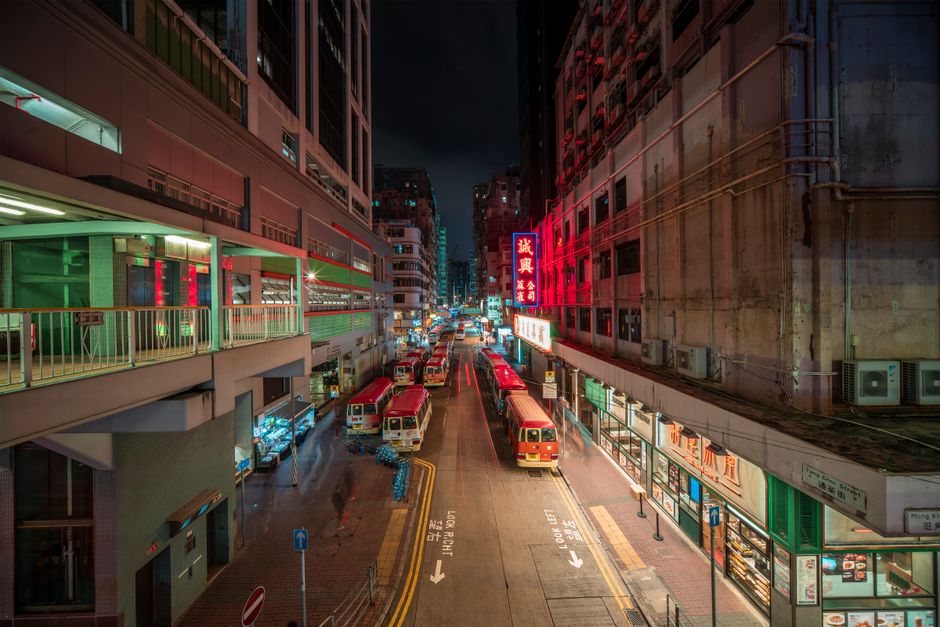
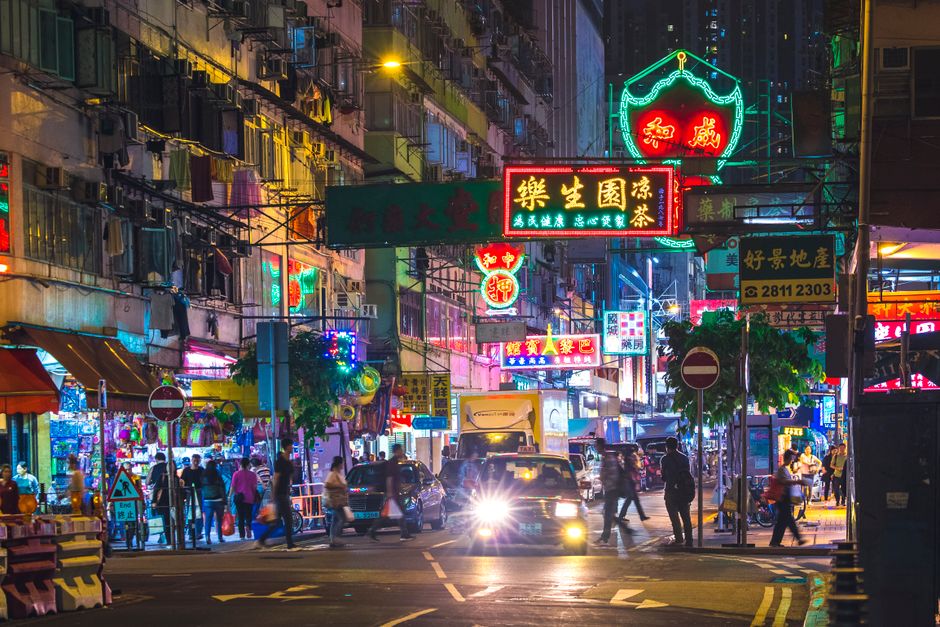
The numbers tell part of the story. Hong Kong's unemployment rate among foreign workers sits at 1.8%, compared to 4.2% in Singapore and 6.1% across London's outer boroughs. Meanwhile, property prices in historically expatriate enclaves like Mid-Levels and Repulse Bay have stabilised, while traditionally working-class districts—Mong Kok, Kwun Tong—have seen modest demographic shifts rather than the rapid gentrification or displacement seen in comparable London neighbourhoods.
The city's approach relies less on formal integration programmes than on economic necessity and cultural pragmatism. NGOs like the Society for Community Organisation operate across districts, providing multilingual services without the confrontational framing increasingly common in Europe. Religious facilities—from the Kowloon Masjid to the St. John's Cathedral near Central—coexist without the planning controversies that plague counterparts abroad.
Yet this system shows strain points. Domestic workers, predominantly Filipino and Indonesian, number over 400,000 but operate in a largely separate economic ecosystem. Their Sunday gatherings in Victoria Park and Statue Square, while socially vibrant, highlight a two-tier integration reality that Hong Kong hasn't fully addressed.
Labour migration policy remains restrictive compared to Singapore's points-based system, and pathways to permanent residency are narrower than in Australia or Canada. This maintains a transient quality that some argue prevents deeper community bonds.
As global migration pressures intensify—and cities worldwide recalibrate their approaches—Hong Kong's model offers neither the inclusive rhetoric of multicultural myth-making nor the restrictive backlash seen elsewhere. Instead, it demonstrates that effective coexistence doesn't require love; it requires functional systems, economic opportunity, and a city large enough to accommodate difference without forcing confrontation.
Whether that proves sufficient for the next decade remains Hong Kong's defining integration question.
This article was compiled by AI from the sources linked above and screened before publishing. See our editorial standards.