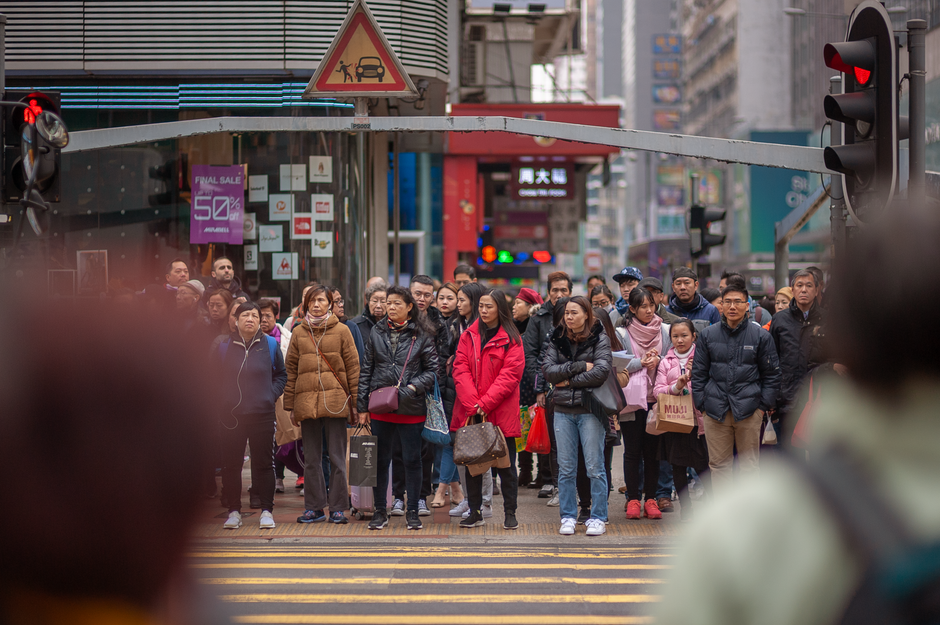
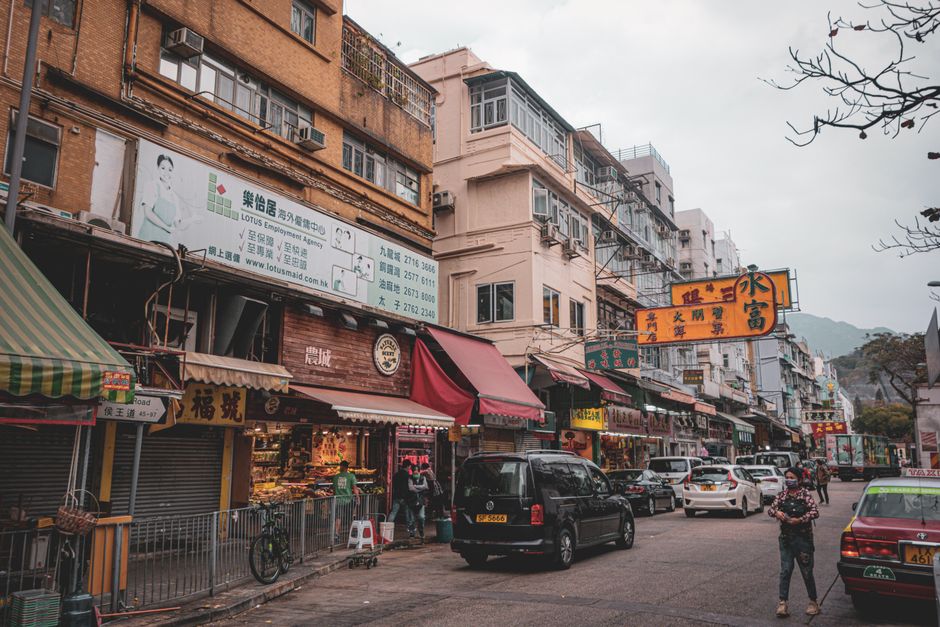
On a humid Tuesday afternoon in Chungking Mansions, the iconic Kowloon high-rise that houses thousands of migrant workers, the common concern echoing through narrow corridors is starkly simple: survival. With rental costs in subdivided flats climbing to HK$4,500-6,000 monthly and food prices surging, migrant communities across Hong Kong are recalibrating their dreams of financial stability.
The Philippine Nurses Association reports that domestic care workers—a sector employing over 390,000 migrant helpers—have seen wages stagnate while living expenses climb. Many workers gather at Victoria Park on Sundays, their traditional day off, trading information about job opportunities and rising costs. "Three years ago, my rent was HK$3,800. Now it's HK$5,200 for the same room," says one community organiser who has worked with migrant groups in Mong Kok for a decade, speaking on condition of anonymity given sensitive employment circumstances.
The Asian Migrant Centre, headquartered in Sham Shui Po—a neighbourhood with one of Hong Kong's largest concentrations of foreign-born residents—has documented growing anxiety about visa sponsorship ties. Under Hong Kong's restrictive employment visa system, workers remain bound to single employers, a vulnerability that intensifies during economic downturns.
Data from the Census and Statistics Department shows the migrant population in Hong Kong exceeds 750,000, with Filipino, Indonesian, Pakistani, and Indian communities forming substantial portions. These groups contribute significantly to domestic care, construction, hospitality, and service sectors, yet face systemic barriers to career advancement and wage growth.
At the Filipino-Chinese Chamber of Commerce in Central, conversations have shifted from optimistic entrepreneurship narratives to practical survival strategies. Small business owners report declining tourist spending affecting their restaurants and services along Wellington Street and Hollywood Road.
"We send money home, but every month it's less because our expenses here keep rising," explains a long-term community advocate who regularly facilitates support networks in Wan Chai. "The government speaks about attracting talent, but migrant workers who built this city's infrastructure are being squeezed out."
Meanwhile, organisations like the Workers' Centre in Kowloon have intensified outreach, offering free legal consultations and job-matching services. Yet demand consistently outpaces resources. Community leaders emphasise that meaningful policy intervention—fairer wage standards, employment contract protections, and affordable housing initiatives—remains absent.
As Hong Kong repositions itself as a global financial hub competing for international talent, its migrant workforce waits for recognition that their contributions warrant genuine economic security.
This article was compiled by AI from the sources linked above and screened before publishing. See our editorial standards.