News
How Hong Kong's Transport Crisis Led Us Here: The Decades-Long Push for Integrated Metro Networks
From colonial tramways to the MTR expansion dilemma, understanding the infrastructure choices that shaped our commute today.
3 min read
News
From colonial tramways to the MTR expansion dilemma, understanding the infrastructure choices that shaped our commute today.
3 min read
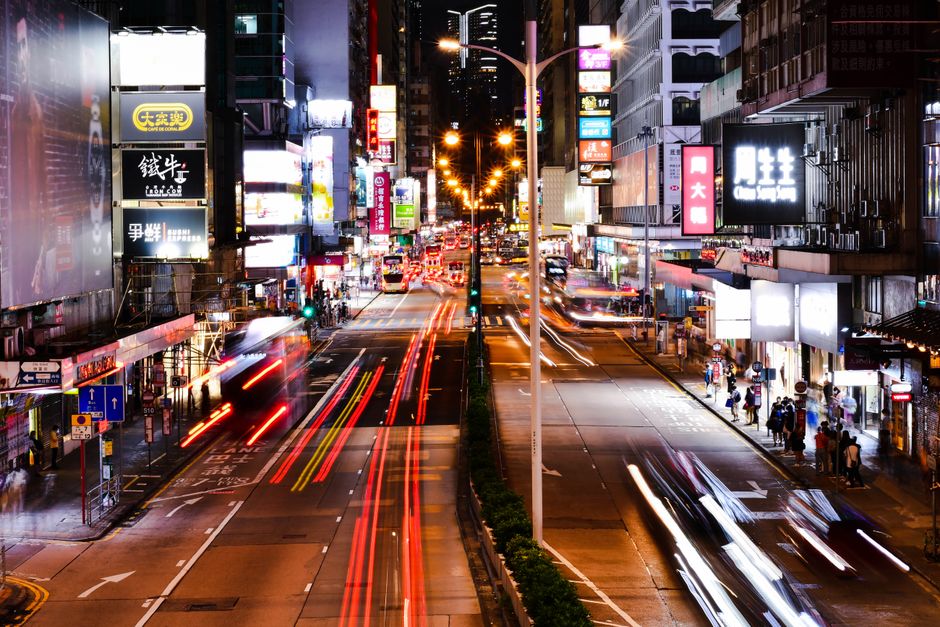
When commuters squeeze into Central MTR during rush hour, few consider the century of decisions that created this bottleneck. Hong Kong's transport infrastructure didn't emerge by accident—it evolved through competing visions, political compromises, and the relentless pressure of a city that has grown from 600,000 residents in 1945 to over 7.5 million today.
The story begins with the Star Ferry and trams, Victorian-era systems that dominated the 1950s and 1960s. As the New Territories urbanised and the population exploded, these surface-level networks became hopelessly inadequate. The 1967 riots exposed another vulnerability: transport monopolies created bottlenecks that invited disruption. Planning documents from the period reveal government anxiety about over-reliance on single operators.
Enter the Mass Transit Railway. The first line opened in 1979, connecting Central to Kwun Tong—a transformative moment. But the MTR's success created its own problem. By the late 1990s, as property developers clustered around MTR stations from Admiralty to Tseung Kwan O, the system's capacity constraints became apparent. The government's response was characteristically incremental: adding lines rather than reimagining networks.
The West Island Line, opened in 2014, represented one philosophy—serving areas previously neglected by MTR, namely the Western District and Kennedy Town neighbourhoods. Yet planners knew it couldn't address the core issue: too many people depending on too few cross-harbour routes. The expansion to Tuen Mun and beyond promised relief, but each extension took years to approve, fund, and construct.
Meanwhile, the private minibus and franchise bus operators adapted, filling gaps the MTR couldn't serve. By 2020, these informal systems carried millions daily alongside the MTR's 5.8 million average daily passengers. It was a patchwork solution born from necessity rather than planning.
The real inflection point came with post-2020 policy shifts. The government's emphasis on northern development and Greater Bay Area integration meant rethinking transport fundamentally. The Guangzhou-Shenzhen-Hong Kong High-Speed Rail, completed in 2015, had already demonstrated appetite for cross-border connectivity. New discussions centred on underground expressways and elevated rail corridors—infrastructure that demanded decisions made decades earlier about land use and development rights.
Today's transport challenges reflect that history: a system built for yesterday's city, being retrofitted for tomorrow's. Understanding how we arrived here matters not because it excuses current delays or crowding, but because it illuminates why expanding capacity requires solving problems that weren't addressed fifty years ago. The infrastructure we use daily is yesterday's compromise playing out in real time.
This article was compiled by AI from the sources linked above and screened before publishing. See our editorial standards.
About this article
Published by The Daily Hong Kong
Spread the word
Daily brief
Free, in your inbox before 7am. Weekdays.
Before you go
The day's Hong Kong news in a 2-minute read. Free, weekday mornings.