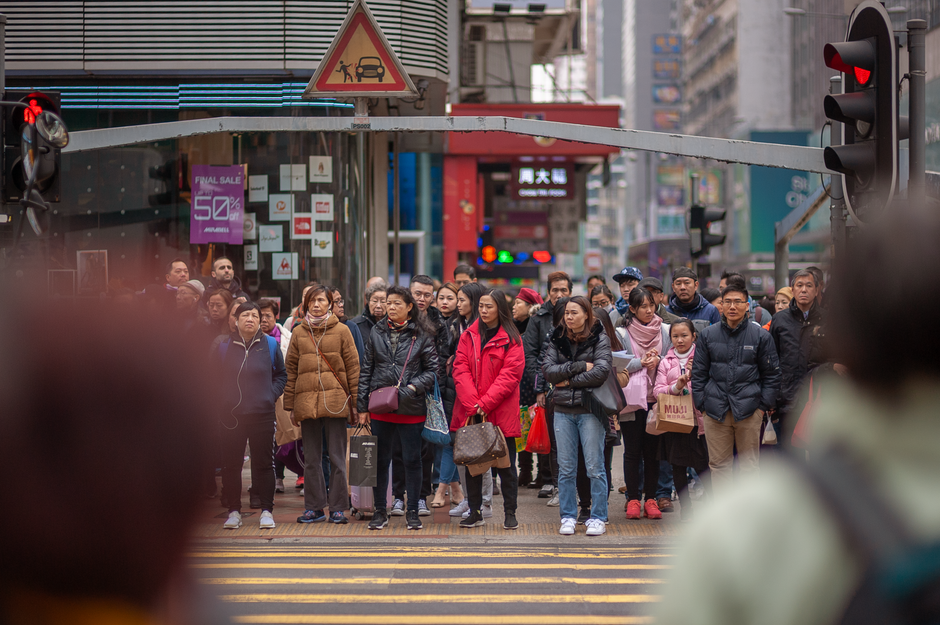
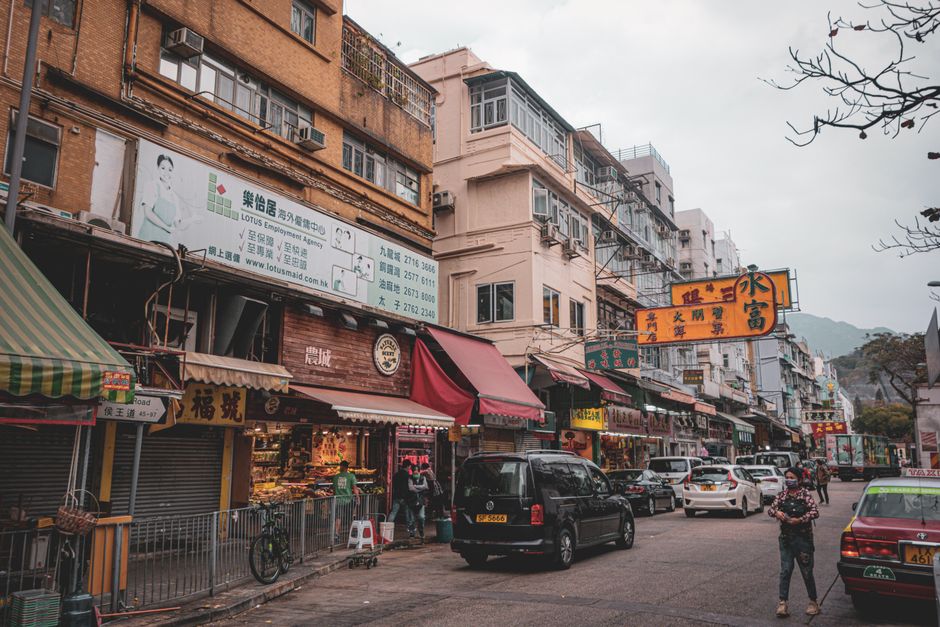
Walking home after 9pm has become an act of calculated risk for many residents in Mong Kok and Sham Shui Po, where street crime has surged 23 per cent over the past eighteen months, according to District Crime Statistics released by the Police Public Relations Branch in May.
The spike has sparked genuine concern among shop owners, elderly commuters, and young professionals navigating these historically vibrant but increasingly vulnerable neighbourhoods. On Nathan Road and Argyle Street—thoroughfares typically bustling with foot traffic—residents report feeling anxious during evening hours, a sentiment that extends across the Kowloon peninsula.
"I've lived in Sham Shui Po for thirty-two years," says a convenience store manager who declined to be named. "Five years ago, you could leave your phone on the counter. Now staff members are being targeted at closing time. We've installed three additional CCTV cameras this year alone."
Muggings, mobile phone theft, and bag-snatching dominate community concerns. The Mong Kok District Council's recent safety forum, held at Langham Place in mid-June, drew over 200 residents—a turnout reflecting genuine anxiety. Common complaints centred on delayed police response times, particularly during late-night hours, and insufficient foot patrols in residential side streets.
"My mother was robbed outside Argyle MTR station at 8:15pm on a Wednesday," a young professional working in Central shared. "A police car arrived forty minutes later. By then the perpetrator was long gone."
The Police's Community Relations Bureau announced enhanced patrols in both districts starting July, with increased visibility on main arteries and residential lanes. However, community leaders say more comprehensive measures are needed. They're calling for improved street lighting—several alleyways between Nathan Road and Soy Street remain poorly illuminated—and better coordination between the Police, District Offices, and local businesses.
Representatives from the Sham Shui Po Community Centre and Mong Kok Elderly Association have jointly requested a dedicated liaison officer to bridge communication gaps. "Police respond to crimes after they happen," one community leader noted. "We need prevention strategies and real dialogue."
The crisis reflects broader tensions in Hong Kong's densely packed urban environments, where high-rise living and transient populations create security vulnerabilities. Yet residents remain hopeful. Several neighbourhoods are organising volunteer neighbourhood watch schemes—a grassroots response suggesting communities will no longer wait passively for change.
This article was compiled by AI from the sources linked above and screened before publishing. See our editorial standards.