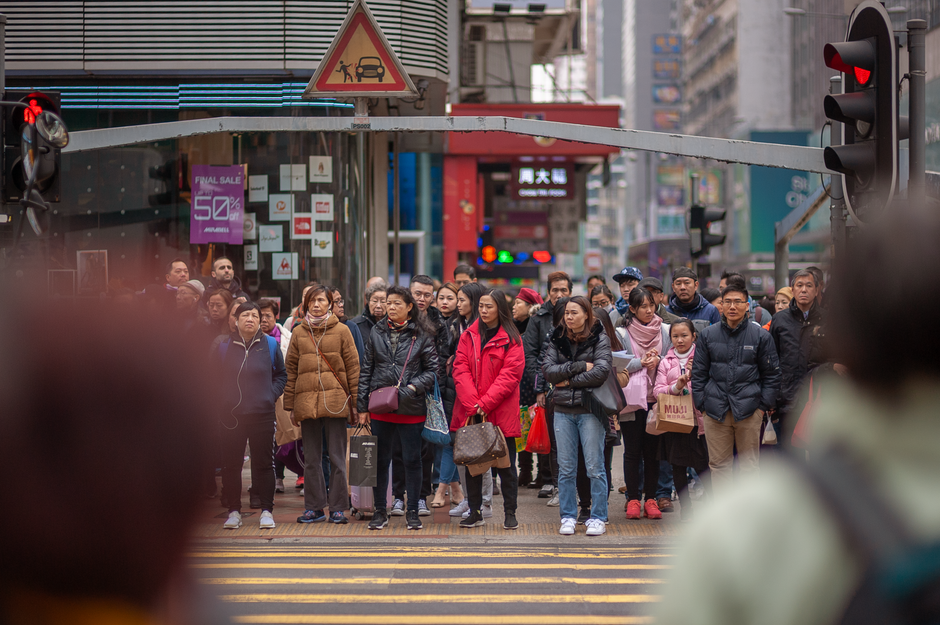
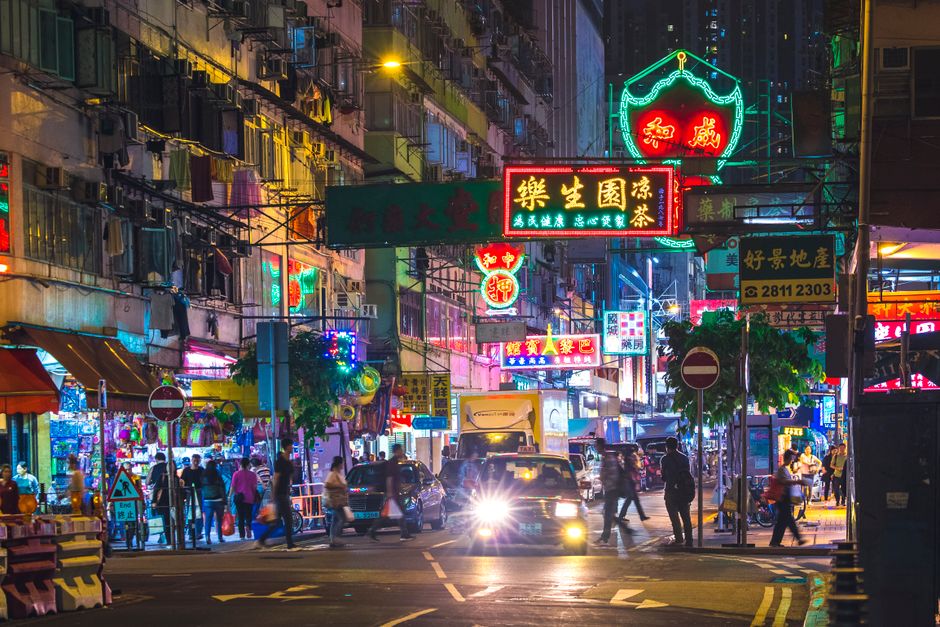
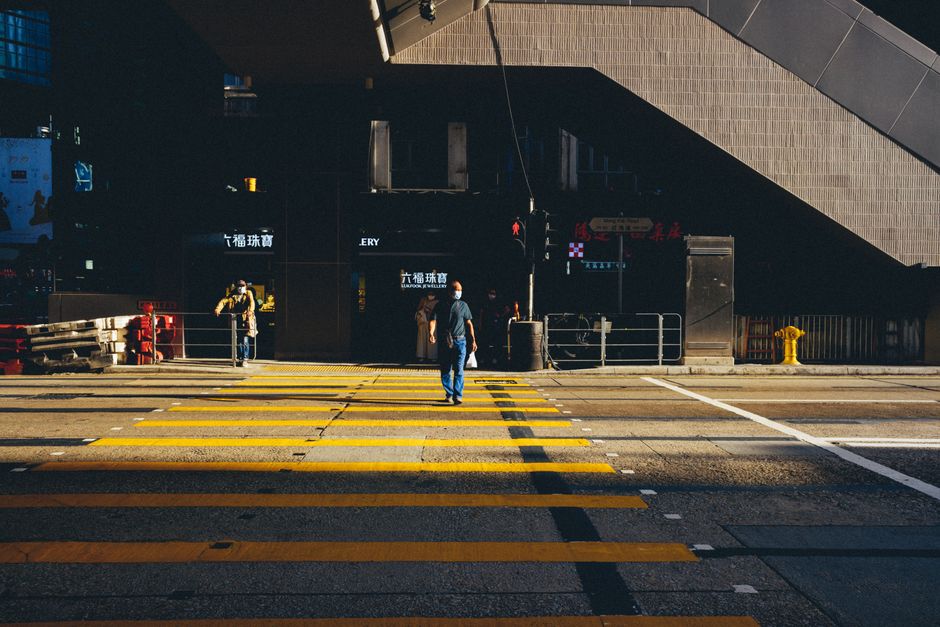
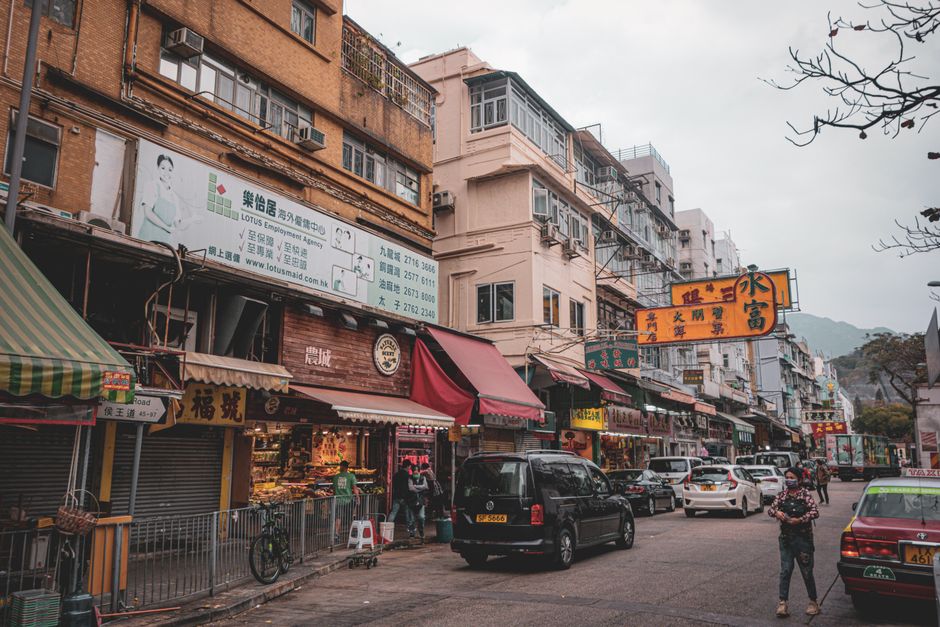
Hong Kong's current infrastructure boom didn't emerge overnight. It is the culmination of nearly three decades of pressure—demographic, economic, and geographical—that forced planners to rethink how 7.5 million people and countless visitors move across one of the world's most densely packed territories.
The turning point came in the late 1990s. The handover to China coincided with surging cross-border traffic as mainland economic zones flourished. The old Star Ferry and cramped minibus networks could no longer cope. By 2010, daily commuters from the New Territories exceeded two million. Traffic on routes like Tuen Mun Road became legendary for congestion; the commute from Tuen Mun to Central often stretched beyond two hours.
The government's response was methodical. The Hong Kong-Zhuhai-Macau Bridge, completed in 2018 at HK$120 billion, represented a philosophical shift: no longer would Hong Kong serve only itself. The bridge reduced Macau travel time from three hours to 45 minutes, but it also signalled something deeper—that the city's transport future lay in regional integration.
Simultaneously, the MTR system expanded outward. The Extensions to Tuen Mun Line, approved in phases, aimed to address the capacity crisis that made peak-hour platforms dangerously crowded. Meanwhile, light rail networks across the New Territories underwent modernisation, though many residents complained that upgrades arrived too slowly relative to housing growth.
Urban planners identified a crucial bottleneck: the Victoria Harbour crossing. With only three fixed crossings—the Mid-Levels Escalator notwithstanding—and ferries operating at capacity, officials recognised that future Central-Kowloon connectivity required fresh thinking. The proposed harbour tunnel projects emerged from this analysis, though environmental and funding concerns kept them contentious.
By the mid-2020s, another pressure intensified: the Greater Bay Area initiative. As Guangzhou, Shenzhen, and Foshan grew, Hong Kong needed seamless access. High-speed rail through West Kowloon and expanded airport connections became critical infrastructure priorities rather than luxuries.
Today's transport landscape reflects these accumulated pressures. The MTR carries 5.7 million passengers daily. Feeder bus networks operate at near-saturation. Property prices in well-connected areas like Tseung Kwan O have surged 40 per cent in five years, reflecting transport's direct impact on urban value.
Understanding Hong Kong's infrastructure decisions requires looking backwards—at the congestion that drove them, the population shifts that necessitated them, and the regional economic forces that shaped them. The projects underway today are not responses to abstract planning ideals; they are solutions to real gridlock that a generation of commuters endured.
This article was compiled by AI from the sources linked above and screened before publishing. See our editorial standards.