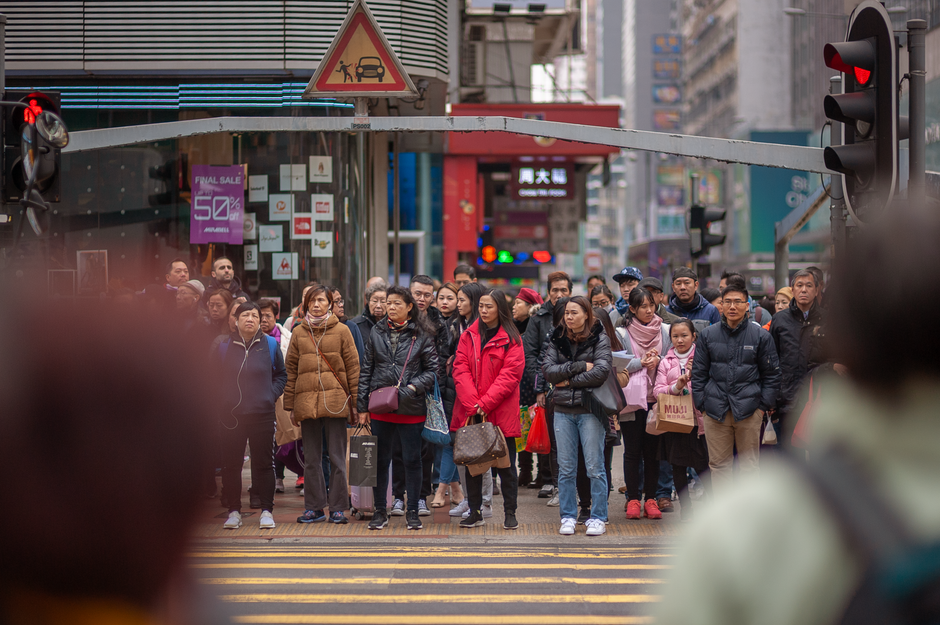
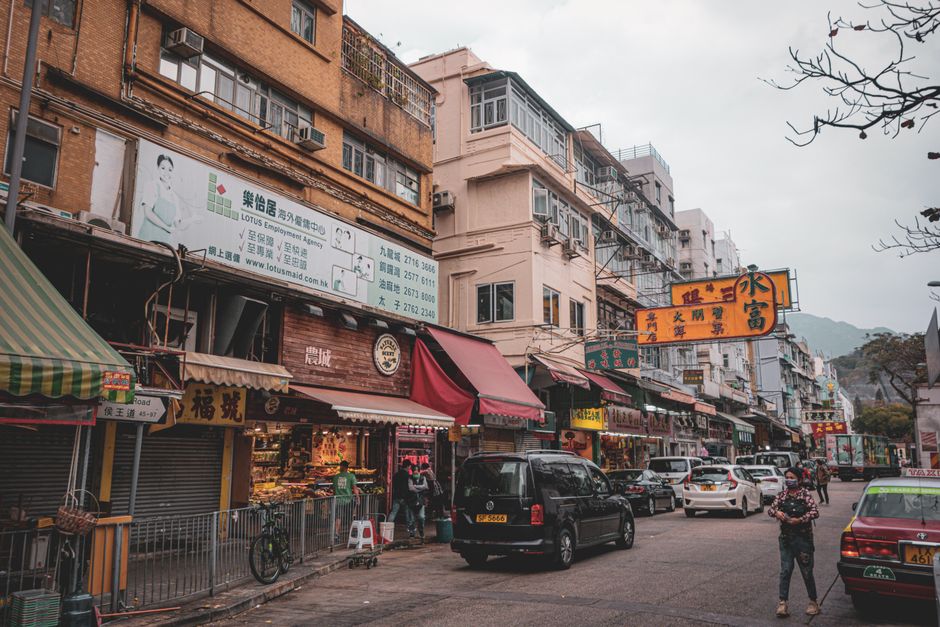
In a stunning reversal announced Monday, Hong Kong's government has formally shelved the Lantau Tomorrow Vision project, dealing a significant blow to housing expansion plans that were meant to create 1.1 million new housing units across the territory by 2050.
The decision comes as property prices in central districts continue to soar. A studio apartment in Mong Kok now averages HK$6.8 million, whilst median salaries languish around HK$20,000 monthly—a ratio that has made homeownership a distant dream for most residents under 35.
Senior officials cited rising construction costs and environmental concerns as the primary reasons for shelving the HK$624 billion reclamation project, which would have transformed waters off Lantau Island. The reversal leaves city planners scrambling to identify alternative solutions to what the Urban Land Institute last month called "the world's most acute housing affordability crisis relative to income."
The government is now reportedly fast-tracking development approval for the New Territories, with particular focus on Yuen Long and Tuen Mun expansions. Housing Secretary Michael Wong Wai-lun indicated Wednesday that brownfield redevelopment in areas like Kwai Chung and Tsing Yi will receive accelerated review processes.
Real estate analysts remain cautious. Centaline Property's chief analyst noted that whilst New Territories projects could eventually add 200,000 units within five years, they do little to address Hong Kong Island's chronic undersupply. Flat sales in Sheung Wan and Mid-Levels have stalled, with buyers increasingly priced out entirely.
The reversal also raises questions about government credibility. When Lantau Tomorrow Vision was unveiled in 2018, officials promised it would be "the answer to Hong Kong's housing crisis." That narrative has now collapsed under budgetary pressure and political risk.
Concerns persist about unintended consequences. Accelerated development in the New Territories threatens agricultural heritage areas and threatens communities already struggling with infrastructure strain. Tuen Mun residents told local media this week they fear traffic congestion will worsen without corresponding investment in transport links.
Housing advocates have called the decision "a watershed moment." Groups like the Society for Community Organization argue that without the Lantau project, Hong Kong must now commit to more radical solutions—including land resumption policies in the New Territories and radical increases to public housing allocation.
The government faces mounting pressure. With 140,000 families currently on public housing waitlists—some waiting over six years—the cancellation of Lantau leaves policymakers with limited options and dwindling public patience for housing gridlock.
This article was compiled by AI and screened before publishing. See our editorial standards.