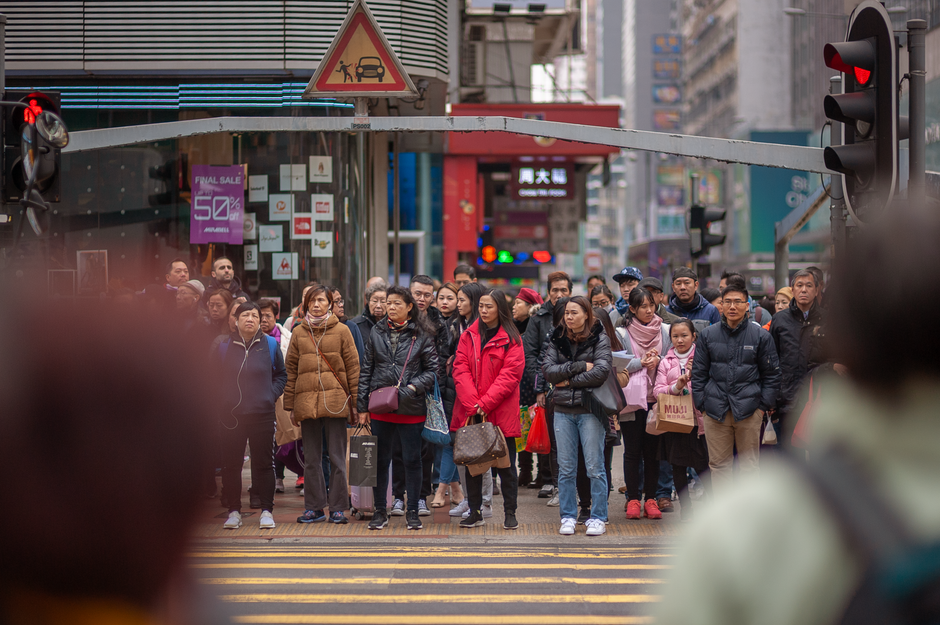
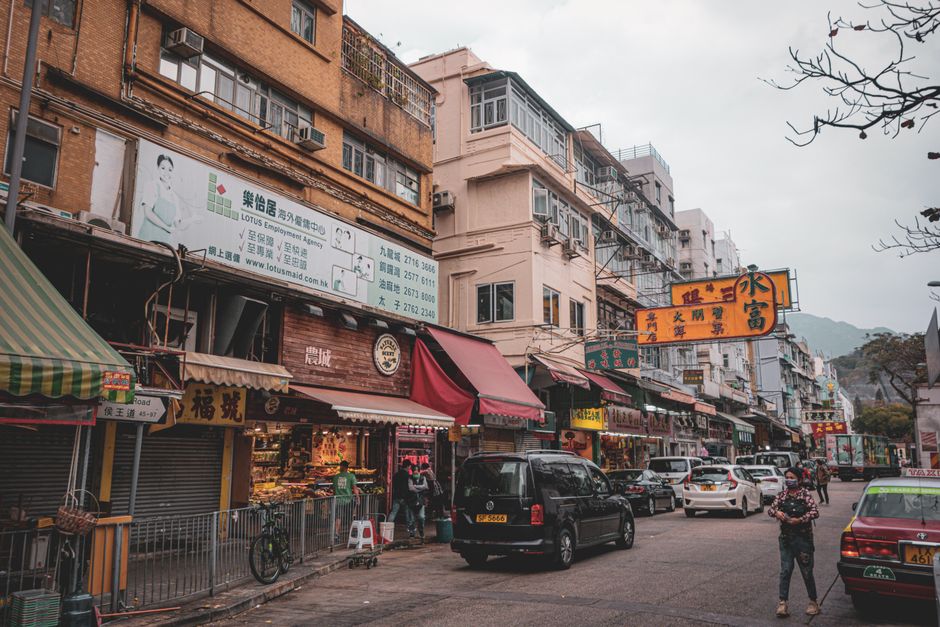
When Lau Tai-ming locks up her dai pai dong stall in North Point for the last time next month, she won't just be closing a business—she'll be severing a lifeline for dozens of elderly residents who depend on her HK$35 congee and HK$28 noodles as their primary daily meal.
Lau's closure marks the third dai pai dong to shut in the North Point neighbourhood within six months, mirroring a citywide trend that community organisations are now flagging as a public welfare crisis. According to the Hong Kong Federation of Elderly Services, nearly 40 per cent of the city's remaining dai pai dong—informal open-air food courts once numbering in the hundreds—have vanished since 2020.
The impact hits hardest in working-class neighbourhoods like North Point and nearby Quarry Bay, where elderly residents on Comprehensive Social Security Assistance (CSSA) of around HK$2,780 monthly rely on dai pai dong's affordability. Social workers at the North Point Community Centre report a surge in enquiries about subsidised meal programmes since April, when the first two stalls closed.
"It's not just about food," says Margaret Wong, director of community outreach at Elderly Neighbourhood Support Services. "These stalls are social hubs. Seniors lose access to peers, to daily conversation, to a sense of place."
The closures stem from rising rents—North Point commercial spaces now command HK$40,000-60,000 monthly, double the rate five years ago—and labour shortages. Landlords increasingly prefer converting stalls to higher-margin restaurants or retail chains. The Urban Renewal Authority's North Point regeneration plans, while bringing modernisation, have accelerated gentrification pressures.
Community response has been swift. The North Point District Council approved emergency funding for meal delivery programmes serving residents over 75, while local groups organise bulk-buying initiatives to support remaining vendors. Tung Wah Group of Hospitals expanded its outreach clinics at the remaining dai pai dong, recognising them as crucial touchpoints for health screening in underserved populations.
Yet volunteers acknowledge these measures are stopgaps. "We can't replace the autonomy and dignity of choosing your own meal at a dai pai dong," Wong notes.
As Hong Kong's property market devours its informal food landscape, North Point's experience raises urgent questions: what happens to elderly communities when affordable public spaces vanish? And can policymakers act before the social fabric tears further?
The answers will largely emerge over the next 12 months—the timeline Elderly Neighbourhood Support Services projects for the next wave of dai pai dong closures across Hong Kong.
This article was compiled by AI from the sources linked above and screened before publishing. See our editorial standards.