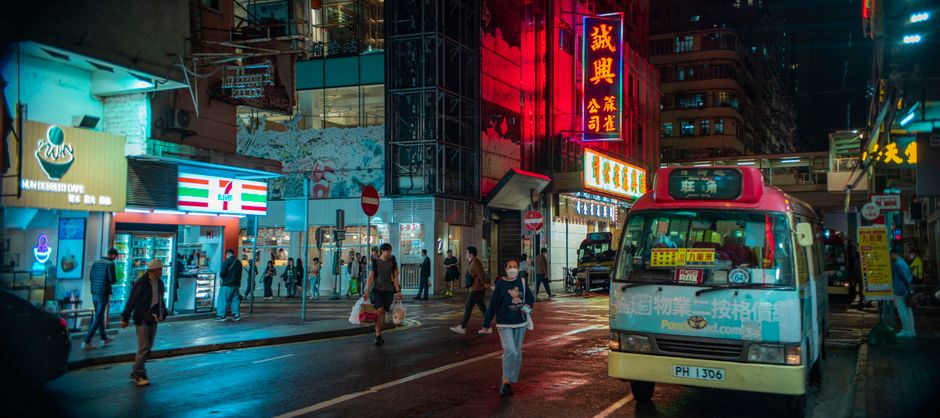
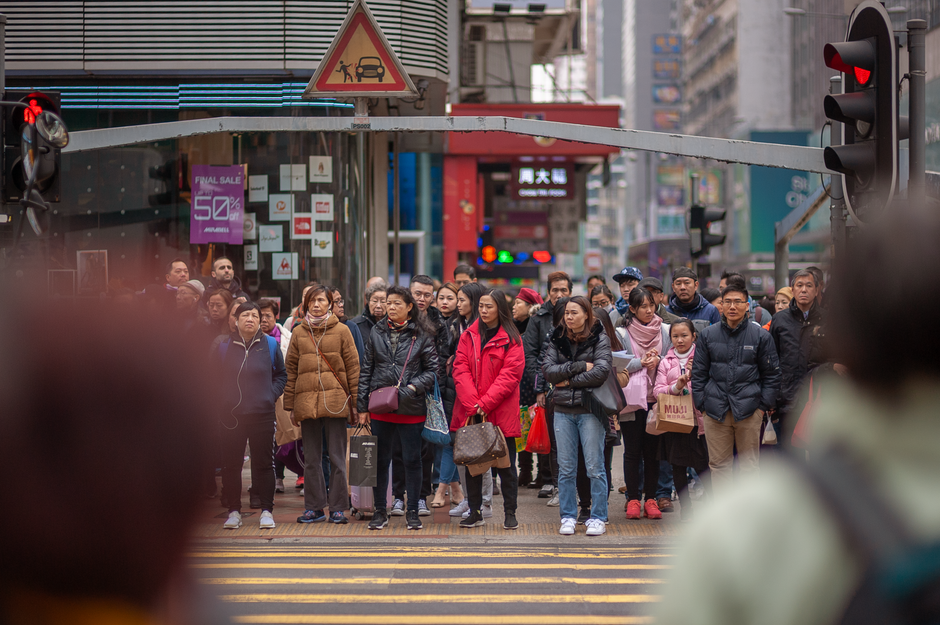
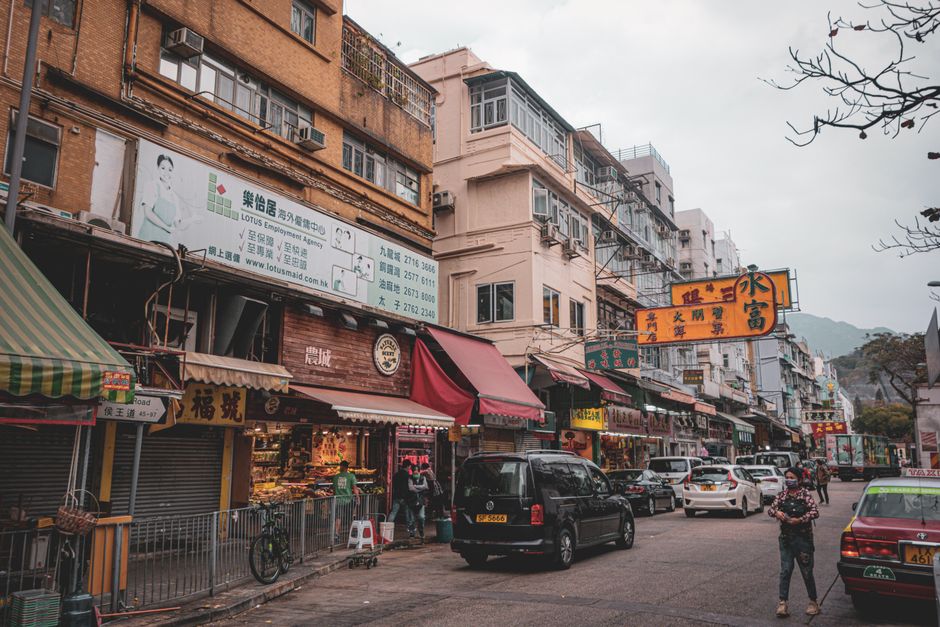
As Hong Kong grapples with an influx of migrant workers and ethnic minorities, senior officials and experts are publicly staking out positions on integration and resource allocation—signalling both commitment to inclusion and acknowledgment of real pressures on housing and social services.
At a Legislative Council panel session last week, representatives from the Labour and Welfare Bureau outlined new funding allocations aimed at language training and employment schemes for South and Southeast Asian residents in districts like Mong Kok and Sham Shui Po, where migrant communities have historically concentrated. The moves come as the city hosts approximately 580,000 foreign domestic helpers and tens of thousands of skilled migrants from across Asia, the Middle East and Europe.
Dr Margaret Wong, director of the Asia-Pacific Institute for Migration Studies at the University of Hong Kong, warned that while integration efforts are "essential and overdue," policymakers must simultaneously address what she called a "critical housing bottleneck." Speaking at a forum in Central last month, she highlighted that private flat rental prices in areas with high migrant populations have surged—median rents in Chungking Mansions now exceed HK$6,500 per month for shared units, up 40 percent since 2023.
The International Social Service (Hong Kong), which operates drop-in centres across the city, reported that demand for legal advice, education support and mental health services has nearly doubled since 2024. The organisation's executive director indicated that while volunteer-led initiatives remain vital, sustained government funding is now non-negotiable.
However, not all voices express optimism. Some district councillors, particularly in traditionally working-class areas like Yau Tsim Mong, have raised concerns about strain on schools and public health facilities. A Mong Kok community representative told local media in May that three primary schools in the district now operate at 110 percent capacity, with significant numbers of students requiring intensive English and Cantonese instruction.
Officials have acknowledged these tensions. The Education Bureau confirmed it is recruiting additional ESL teachers and expanding cultural integration programmes in schools across Kowloon. Meanwhile, the Social Welfare Department is piloting a neighbourhood liaison scheme in Wan Chai and Causeway Bay, pairing migrant community leaders with local residents to address tensions before they escalate.
Experts and officials broadly agree that Hong Kong's future competitiveness depends on becoming a genuinely multicultural hub—but the gap between ambition and resource allocation remains stark. As one Legco member remarked, the real test will be whether government commitments translate into budgets that match the scale of change already reshaping the city's streets and neighbourhoods.
This article was compiled by AI from the sources linked above and screened before publishing. See our editorial standards.