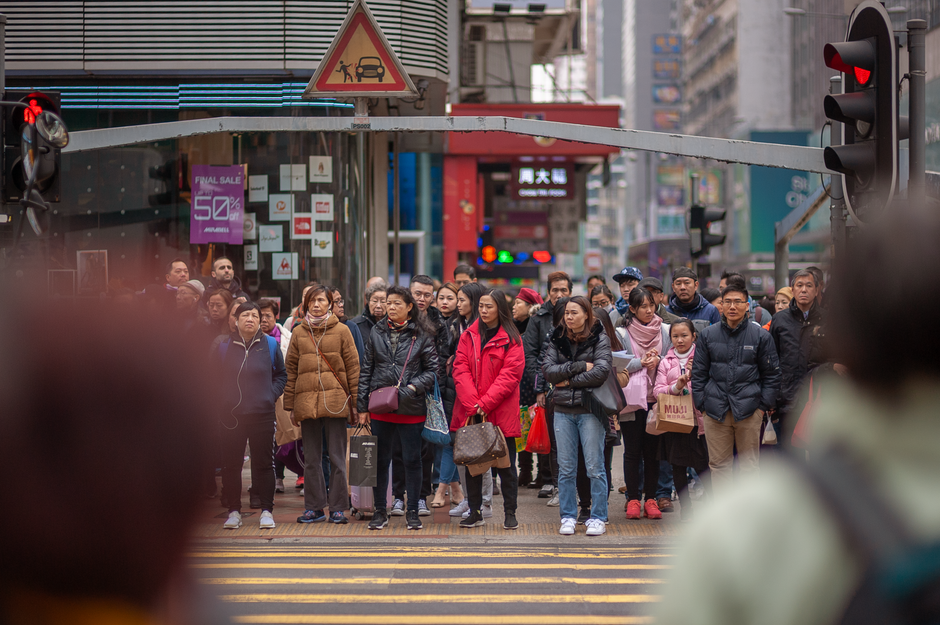
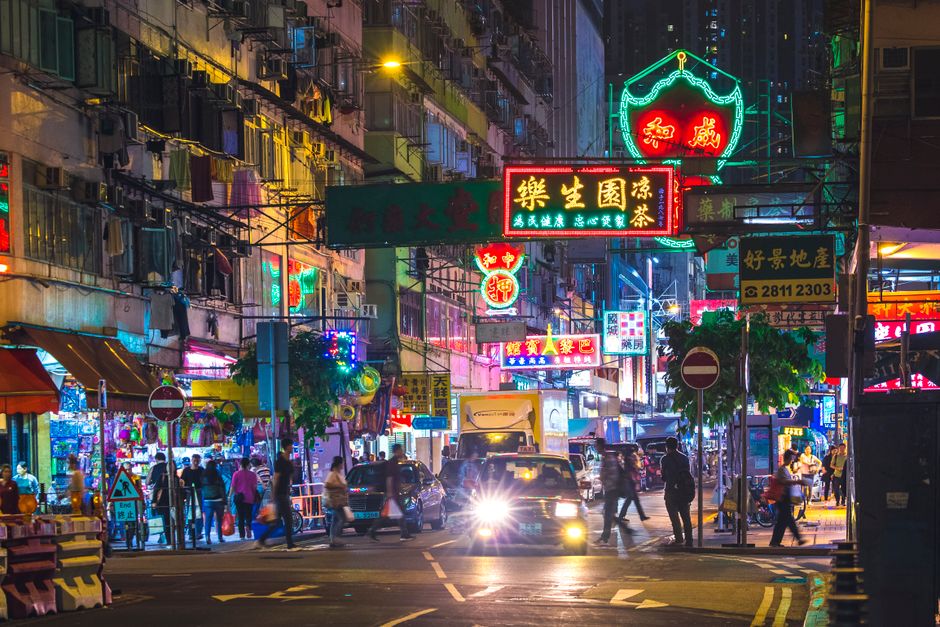
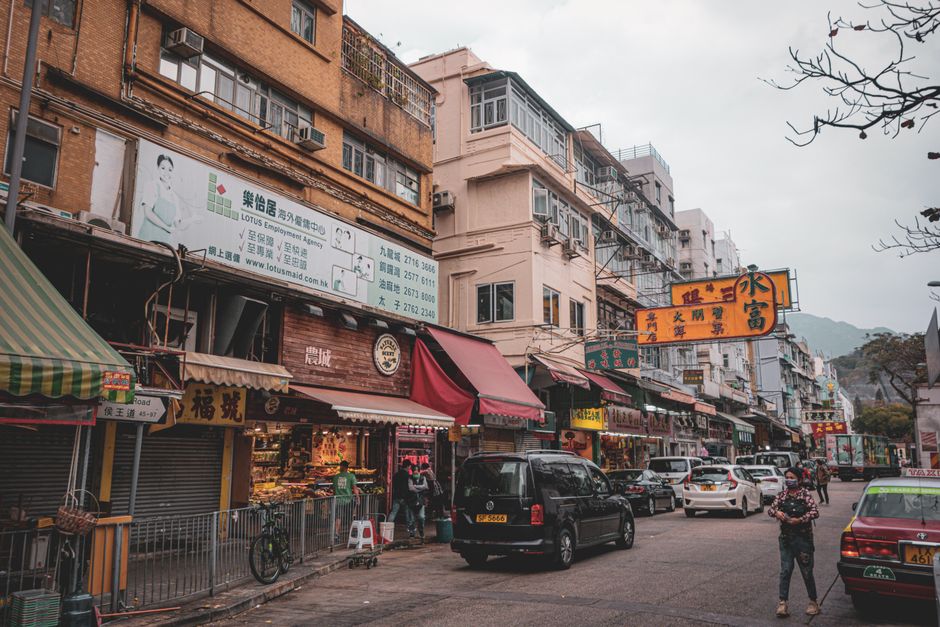
Hong Kong's latest push to unlock housing on the city's fringes—particularly through the Northern Metropolis initiative and expanded development zones in Yuen Long and Tin Shui Wai—reflects a distinctly local answer to a problem that plagues Tokyo, Singapore, and Vancouver alike: how to house millions affordably without sprawling beyond reason.
The scale of Hong Kong's ambition is striking. The government has earmarked over 600 hectares for development across the Northern Metropolis corridor by 2035, potentially creating homes for nearly 1 million additional residents. Yet the philosophical approach differs markedly from how peer cities tackle similar pressures.
Singapore, often cited as Hong Kong's closest comparator, solved its housing crisis through aggressive public ownership—nearly 80 per cent of residents live in government-built flats. By contrast, Hong Kong relies more heavily on private developers and limited public housing stock, with the Housing Authority currently managing just over 2.1 million residents across roughly 750,000 units. The waiting list for public housing in Hong Kong stretches beyond 130,000 applicants, many facing waits exceeding five years.
Tokyo's approach offers another instructive contrast. Rather than concentrated new development zones, the Japanese capital has embraced incremental densification and adaptive reuse across established neighbourhoods—a model that preserves community character but moves slowly. Hong Kong's strategy is more aggressive: bulldozing and rebuilding entire precincts like Kai Tak and the planned Lantau Tomorrow Vision.
Vancouver, grappling with similar affordability crises and property speculation, has pursued middle-density zoning reforms that allow duplexes and townhouses in single-family areas. Hong Kong's government largely avoids such granular interventions, preferring large-scale new towns.
Local developers argue this approach is necessary given Hong Kong's geographic constraints. With 75 per cent of the territory mountainous and developable land scarce, concentration makes economic sense. Yet critics note the model places enormous pressure on transport infrastructure and services in areas like Tin Shui Wai, where populations have swelled without corresponding improvements to schools and clinics.
The financial argument is equally distinctive. Hong Kong's reliance on land sales revenue—which contributed over HK$30 billion to coffers last fiscal year—creates institutional incentives that neither Singapore nor Tokyo face to the same degree. This revenue dependency shapes how aggressively officials pursue development.
As Hong Kong enters 2026 with housing policy under renewed scrutiny, the city appears committed to its high-density, market-led model with selective public intervention—a distinctly Hong Kong solution to a global challenge.
This article was compiled by AI from the sources linked above and screened before publishing. See our editorial standards.