For decades, getting from Tuen Mun to Central meant navigating a bottleneck of buses and one crowded railway line. That changes next year when the MTR's Northern Link finally opens, promising to shave 40 minutes off commutes for 300,000 residents in the New Territories' northwestern corridor.
The scale of Hong Kong's transport infrastructure overhaul is staggering. Three major extensions—the Northern Link connecting Tuen Mun to Fanling, the Tseung Kwan O Line Phase 2 serving Lohas Park and Hang Hau, and the long-awaited Kau Yi Chau rail connection—represent Hong Kong's boldest bet on metro expansion in a generation. Combined, they're expected to cost over HK$330 billion and serve an estimated 1.4 million daily passengers by 2032.
For residents, the implications are immediate and profound. Property prices in areas like Yuen Long and Tuen Mun, historically Hong Kong's most affordable neighbourhoods, have already climbed 15-20 per cent in anticipation of improved connectivity. The government hopes the Northern Link will ease pressure on the perpetually congested West Rail Line and reduce reliance on franchised buses serving areas like Tin Shui Wai and Lam Tei.
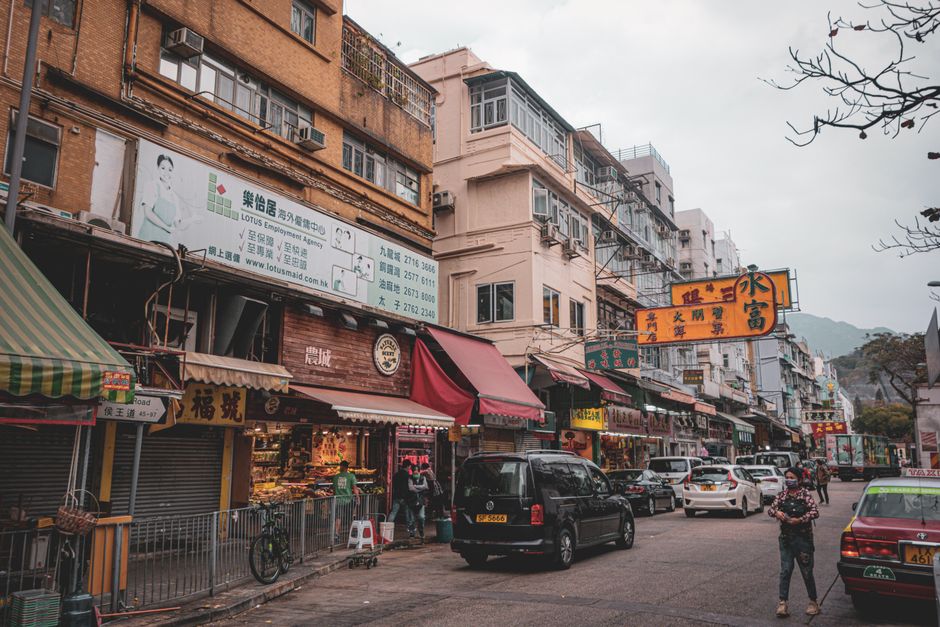
But transformation cuts both ways. Long-established communities face disruption during construction phases now extending through 2027 in some zones. Shopkeepers along Castle Peak Road report temporary footfall drops as roadworks progress. Yet planners emphasise that the infrastructure overhaul aligns with Hong Kong's housing shortage crisis—improved connectivity justifies higher-density residential development in accessible locations, potentially housing an additional 400,000 people across New Territories corridors.
The Kau Yi Chau link deserves particular attention. Originally intended merely to serve a new landfill, it has evolved into a transformative project connecting the Eastern New Territories with Lantau and the airport cluster. For residents on Hong Kong Island's eastern edge and in Sai Kung, the project promises to decongest existing routes and offer real alternatives to road-based transport.
Community organisations have raised legitimate concerns about construction noise, temporary closures of wet markets, and whether affordable housing commitments will materialise. The Tseung Kwan O Line Phase 2 extension has already generated complaints from residents in Lohas Park about site disturbances.
What remains clear: these projects represent Hong Kong's commitment to managing growth through public transport rather than gridlock. For the average resident—whether a Tuen Mun family exhausted by two-hour commutes or a Sai Kung worker seeking better connectivity—the next 18 months of disruption promise a fundamentally reshaped transport network by 2028.
This article was compiled by AI from the sources linked above and screened before publishing. See our editorial standards.