News
How Hong Kong's Transport Ambitions Got Us to This Crucial Juncture
Decades of planning, false starts, and evolving needs have shaped the city's current infrastructure race—and the stakes have never been higher.
3 min read
Updated 18 h ago
News
Decades of planning, false starts, and evolving needs have shaped the city's current infrastructure race—and the stakes have never been higher.
3 min read
Updated 18 h ago
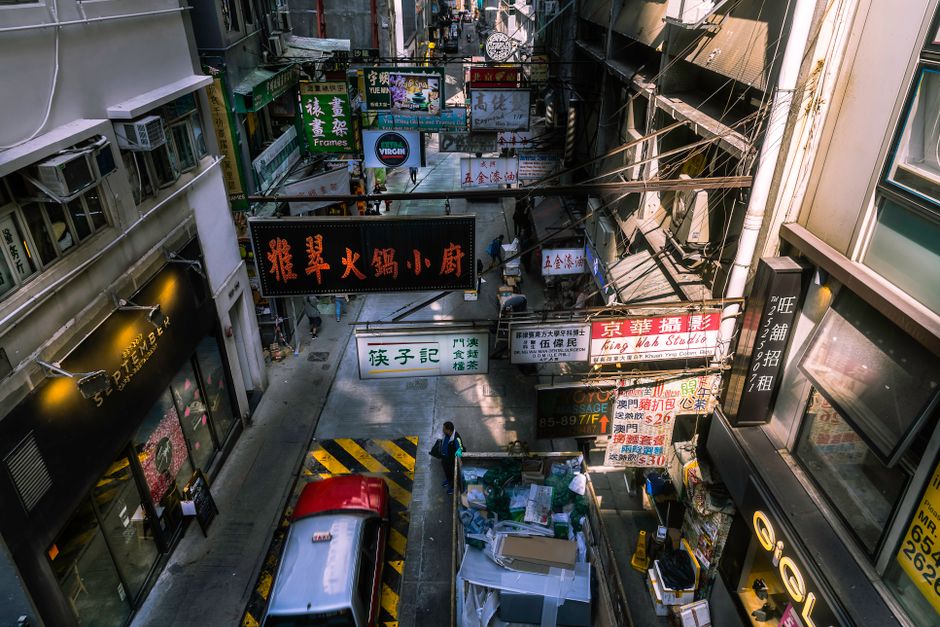
Hong Kong's transport infrastructure story is one of perpetual reinvention. The city that once relied on ferries and trams has spent the past two decades chasing an increasingly complex vision of connectivity, driven by population pressures, cross-border integration demands, and the relentless sprawl of the New Territories.
The turning point came in the early 2000s, when planners realised that the Mass Transit Railway—opened in 1979 and once considered revolutionary—was reaching saturation. The 2008 financial crisis delayed responses, but by 2012, the government had committed to what would become the most ambitious transport expansion in the city's history. The Hong Kong-Zhuhai-Macau Bridge, completed in 2018 at HK$120 billion, exemplified this new scale. That single project transformed how people thought about cross-border movement, connecting the western New Territories directly to Macau and mainland China.
Yet success bred complexity. The Bridge's completion revealed uncomfortable truths: capacity constraints on local roads feeding into toll plazas, bottlenecks at immigration checkpoints, and questions about whether the city's transport philosophy had adequately balanced regional integration with internal mobility.
The MTR expansion programme that followed—extending the West Island Line through to the southern coast, planning modifications to the Kwun Tong Line, and endless discussions about the Northern Link connecting Fanling and Liantang—reflected a different ambition. These projects aimed to address longstanding geographic inequities: residents in areas like Tin Shui Wai spent 90 minutes commuting to Central, while the eastern New Territories remained dependent on ageing bus networks.
Investment in these projects totalled over HK$300 billion across the decade, yet funding mechanisms remained contentious. Public-private partnerships, land-value capture schemes, and developer contributions became standard, raising questions about affordability and accessibility for ordinary commuters.
Today, in mid-2026, Hong Kong faces a reckoning. The Northern Link, originally mooted for 2030 completion, faces fresh delays. Bus routes serving areas like Tung Chung and Lantau Island remain overcrowded. The city's aging population requires transport solutions prioritising accessibility over speed, yet most new infrastructure still favours rapid transit.
The broader context matters: neighbouring Shenzhen completed seven new metro lines since 2015, while Singapore expanded its network at similar pace. Hong Kong's delays weren't merely bureaucratic—they reflected genuine constraints: dense urban fabric, geological challenges, and the political complexity of cross-border projects. But they also reflected planning horizons that didn't anticipate demographic shifts or the post-pandemic transformation of work patterns.
The infrastructure decisions made in the next eighteen months will determine whether Hong Kong remains Asia's most connected city or becomes one struggling to manage the consequences of deferred planning.
This article was compiled by AI from the sources linked above and screened before publishing. See our editorial standards.
About this article
Published by The Daily Hong Kong
Spread the word
Daily brief
Free, in your inbox before 7am. Weekdays.
Before you go
The day's Hong Kong news in a 2-minute read. Free, weekday mornings.