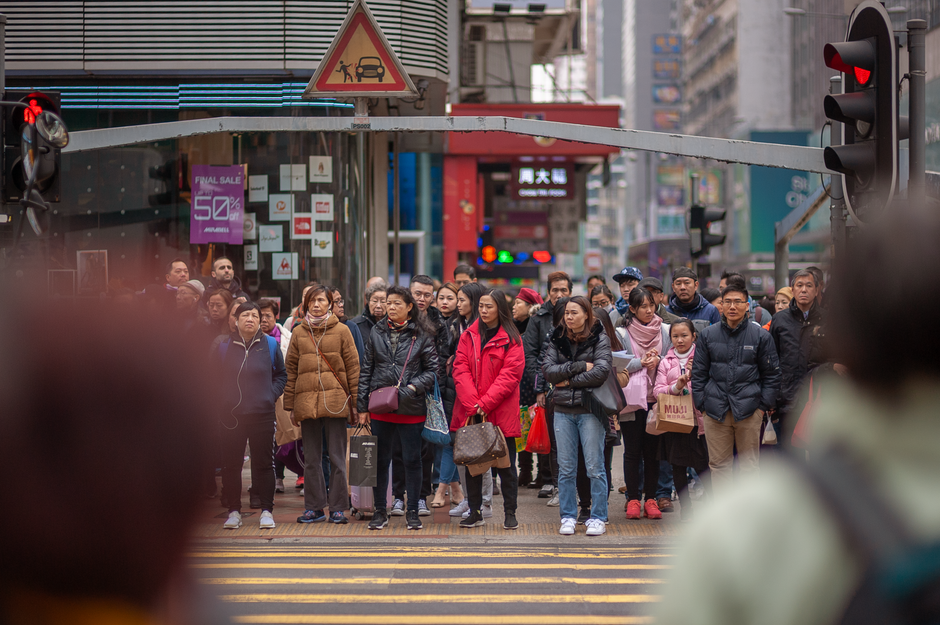
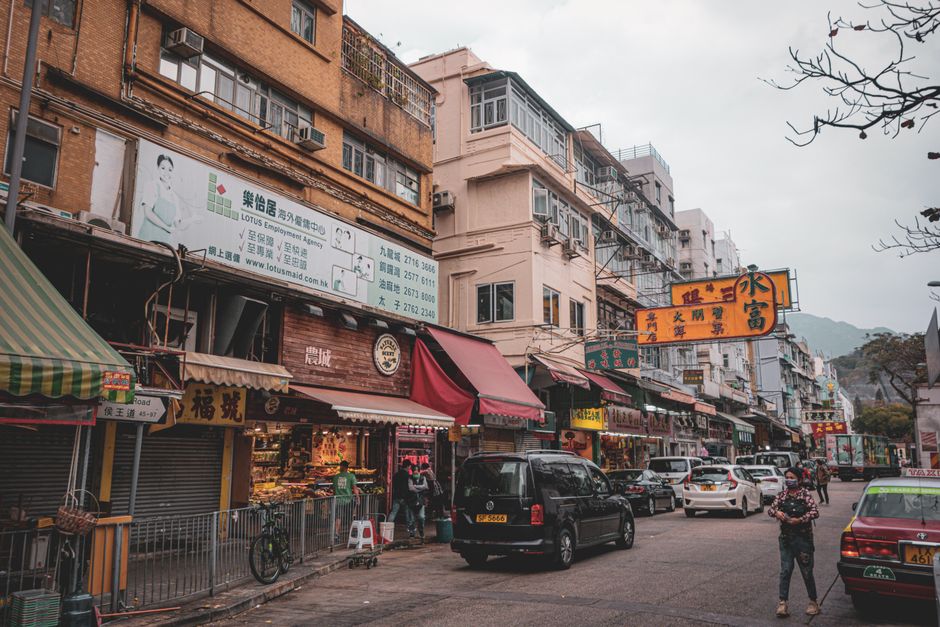
Hong Kong stands at a crossroads on migration policy. With nearly 400,000 foreign domestic helpers and tens of thousands of skilled workers now calling the city home, the government faces mounting pressure to clarify what comes next—and the decisions made in the coming months will reshape the lives of hundreds of thousands of people.
The immediate catalyst is housing. In neighbourhoods like Causeway Bay and Mong Kok, where migrant workers cluster in subdivided flats renting for HK$4,000–6,000 monthly, overcrowding has triggered fresh safety complaints and complaints from local residents. Meanwhile, Jakarta's and Manila's labour agencies report record inquiries from workers considering Hong Kong placement, driven partly by the city's reputation for higher wages but clouded by uncertainty over long-term residency pathways.
Key decisions loom within months. The Labour and Welfare Bureau is reviewing whether to extend visa eligibility for skilled migrants beyond the current two-year renewable terms—a move that could attract tech workers and healthcare professionals but faces resistance from some local unions. Separately, the Housing Authority is studying whether to create dedicated worker accommodation in New Territories locations like Fanling and Tuen Mun, a proposal that has already sparked community consultation meetings.
For domestic helpers, the stakes centre on day-off rights and minimum wage adjustments. Current legislation mandates one rest day weekly, but enforcement remains patchy in households across the Mid-Levels and Kowloon Tong. The Asian Domestic Workers Union, headquartered near Chungking Mansions in Tsim Sha Tsui, has submitted formal proposals for legislative amendments ahead of the next policy review cycle.
The Financial Services and the Treasury Bureau, meanwhile, is quietly examining tax incentives for employers who sponsor migrant worker training and accreditation—a signal that the government may be pivoting toward a skills-based migration framework rather than labour-shortage reactivity.
International pressure adds urgency. Last month, the International Labour Organization cited Hong Kong in a regional report on migrant worker protections, noting gaps in contract clarity and dispute resolution mechanisms. The city's reputation as a global financial hub depends partly on perceived fairness in employment standards.
Migrant advocacy groups based in Central and across Kowloon are preparing submissions to district councils and the Legislative Council. The window for influence is narrow: government consultation papers are expected by late August, with draft amendments potentially tabled by year-end.
Hong Kong has long marketed itself as a place of opportunity. The decisions ahead will determine whether that promise extends genuinely to the hundreds of thousands who keep the city running.
This article was compiled by AI from the sources linked above and screened before publishing. See our editorial standards.