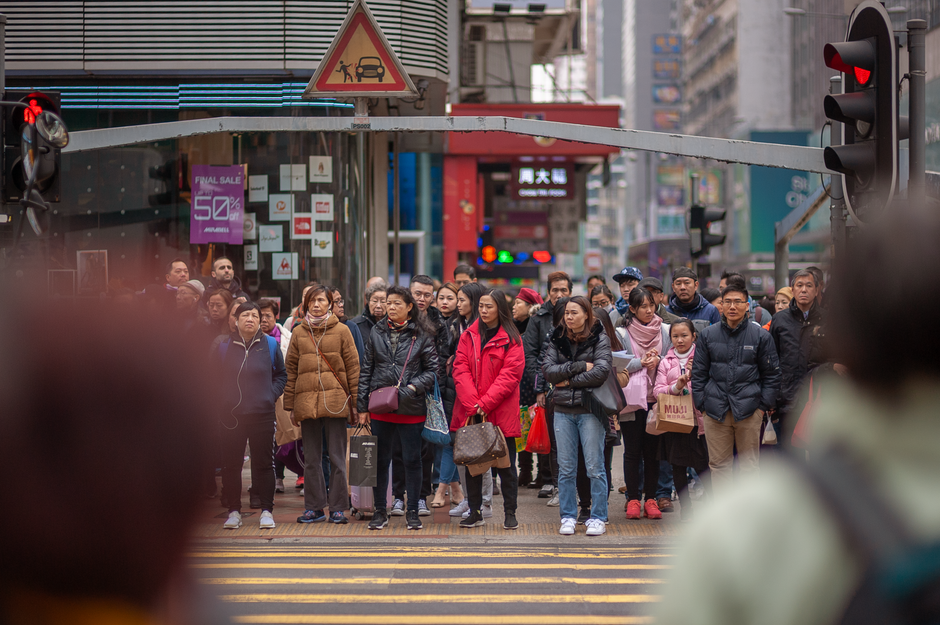
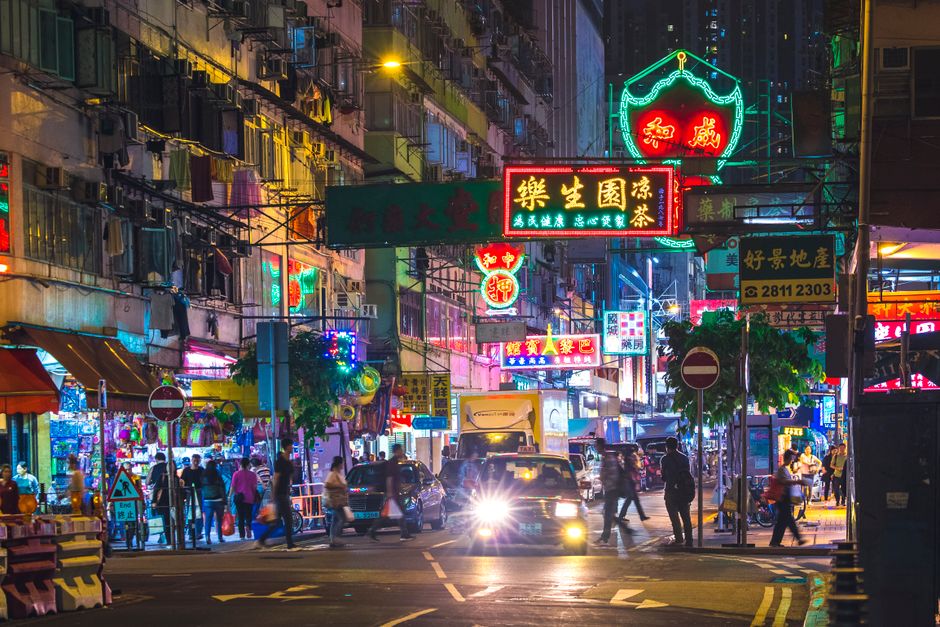
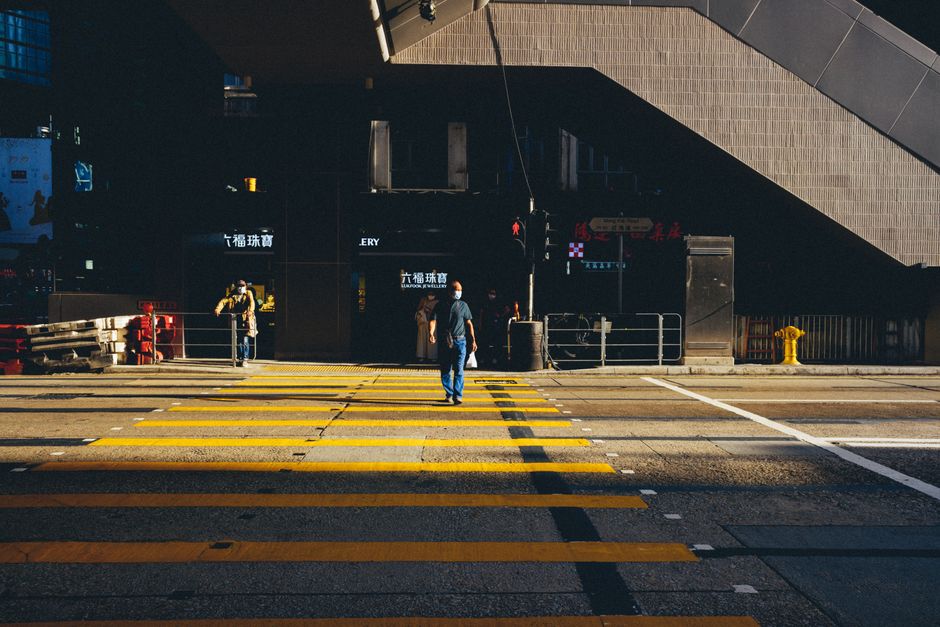
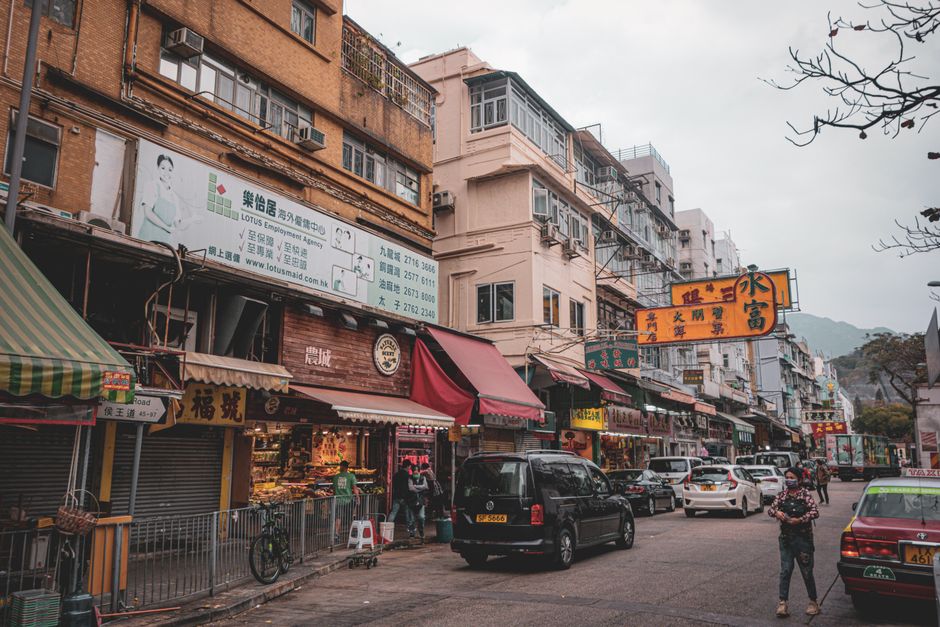
Walking through Mong Kok's Nathan Road at midnight, the fluorescent glow of convenience stores cuts through streets that locals say feel increasingly unsafe. Residents across multiple neighbourhoods are now vocalising concerns about personal security and the perceived adequacy of emergency services—a conversation that has intensified following several high-profile incidents in the past eighteen months.
In Sham Shui Po, where the population density exceeds 43,000 people per square kilometre, community associations have documented a spike in reports of late-night robberies and bag snatches targeting delivery workers and night-shift commuters. Local business owners along Apliu Street, the neighbourhood's famous electronics market, report installing additional CCTV systems and hiring private security to supplement police presence.
"We're grateful for what the Fire Services Department and Police do, but we need visibility," said a 58-year-old resident of Mong Kok who works nights at a local hospital. "When you don't see officers on the beat, it creates a vacuum that makes you feel exposed." The Hong Kong Police Force's reported average emergency response time of 8-12 minutes in urban areas meets international standards, yet residents consistently express concerns about preventative policing in commercial districts.
The Sham Shui Po Community Centre has launched a neighbourhood watch programme involving over 200 participants, partnering with the Hong Kong Police Force's crime prevention unit. Similar initiatives are underway in Jordan, where residents report feeling caught between transient populations and inadequate street lighting in older alleyways branching from Jordon Road.
A spokesperson for the Hong Kong Police Force acknowledged community concerns during a recent district forum, noting that officers have increased foot patrols in identified hotspots. However, resource allocation remains contentious—with approximately 36,000 officers serving a population of 7.4 million, officers say they are stretched across competing demands.
Emergency service workers themselves highlight systemic pressures. Paramedics based at the Kwun Tong Fire Station report call volumes have surged 18 per cent since 2024, often responding to falls and medical emergencies in buildings with poor accessibility. "Better coordination between services helps, but we need sustained investment," one senior paramedic noted, requesting anonymity.
As Hong Kong's aging population and densifying urban landscape create new demands, residents emphasise this isn't about panic—it's about partnership. Community members want transparent data on crime trends, predictable police presence, and dialogue with the authorities about their neighbourhoods' specific vulnerabilities.
This article was compiled by AI from the sources linked above and screened before publishing. See our editorial standards.