News
How Hong Kong's Universities Lost Global Ranking Ground: The Path to Today's Education Crisis
A decade of policy shifts, brain drain, and funding pressures has reshaped the city's once-dominant higher education sector.
2 min read
News
A decade of policy shifts, brain drain, and funding pressures has reshaped the city's once-dominant higher education sector.
2 min read
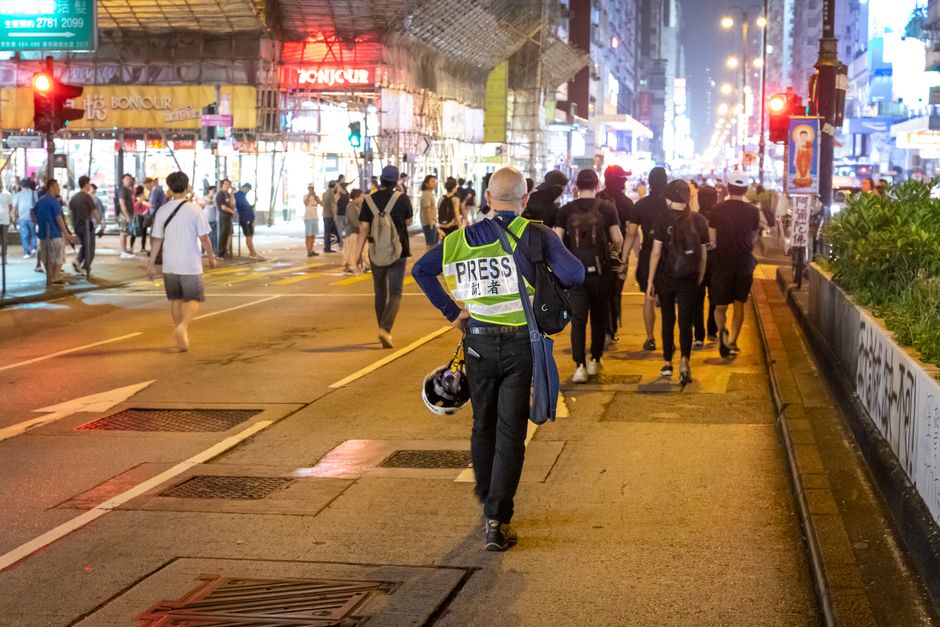
Hong Kong's universities have experienced a dramatic slide in global standing over the past seven years, a trajectory rooted in structural changes that began long before recent headlines about student recruitment struggles and staff departures dominated campuses across the New Territories and Kowloon.
The inflection point came around 2019-2020, when geopolitical tensions began affecting institutional autonomy. Universities like HKU and CUHK, once unquestioned pillars of Asian excellence, faced mounting pressure from multiple directions. Government funding, which had historically supported expansive research programmes, began to flatten in real terms. Meanwhile, international student numbers—once reliably drawn to Hong Kong's English-speaking environment and proximity to mainland markets—started declining as competing hubs in Singapore and South Korea aggressively courted the same demographic.
The cost of operating in Hong Kong compounded these pressures. Staff salaries at institutions like the Chinese University in Shatin remained competitive globally, yet the city's spiralling property prices meant recruitment of junior faculty became increasingly difficult. Several prominent academics accepted positions abroad, particularly in North America and Australia, draining institutional knowledge at a critical moment.
Internally, universities restructured aggressively. Programmes were consolidated. Research centres on Victoria Peak, in Sai Wan Ho, and across the Pokfulam campus merged or closed. The expansion dreams of the 2010s—when new campuses seemed inevitable—evaporated. Instead, institutions focused on defending existing infrastructure and relevance.
Student demographics shifted too. Local birth rates have declined sharply, reducing the traditional recruitment pool. Those Hong Kong families with resources increasingly sent children overseas from secondary school onwards, bypassing local universities entirely. This wasn't new, but the scale intensified. Government initiatives to broaden university access through expanded publicly-funded places paradoxically diluted the premium perception that once made Hong Kong degrees globally distinctive.
The regulatory environment tightened alongside these material changes. Academic freedom concerns, whether real or perceived, influenced hiring decisions and made international recruitment harder. Institutions became more cautious about international partnerships, particularly in sensitive research areas.
By 2024-2025, the cumulative effect became visible in global rankings. While HKU and CUHK remained respectable, their relative position weakened noticeably against peers in Beijing, Shanghai, and Seoul. The trajectory suggests that what began as temporary headwinds became structural challenges requiring fundamental rethinking of the sector's competitive advantages and future direction.
This article was compiled by AI from the sources linked above and screened before publishing. See our editorial standards.
About this article
Published by The Daily Hong Kong
Spread the word
Daily brief
Free, in your inbox before 7am. Weekdays.
Before you go
The day's Hong Kong news in a 2-minute read. Free, weekday mornings.