News
Sham Shui Po's Wet Market Revival: This Week's Neighbourhood Win for Grassroots Traders
A three-month clean-up initiative in one of Hong Kong's oldest markets shows what community coordination can achieve—and what challenges remain.
2 min read
News
A three-month clean-up initiative in one of Hong Kong's oldest markets shows what community coordination can achieve—and what challenges remain.
2 min read
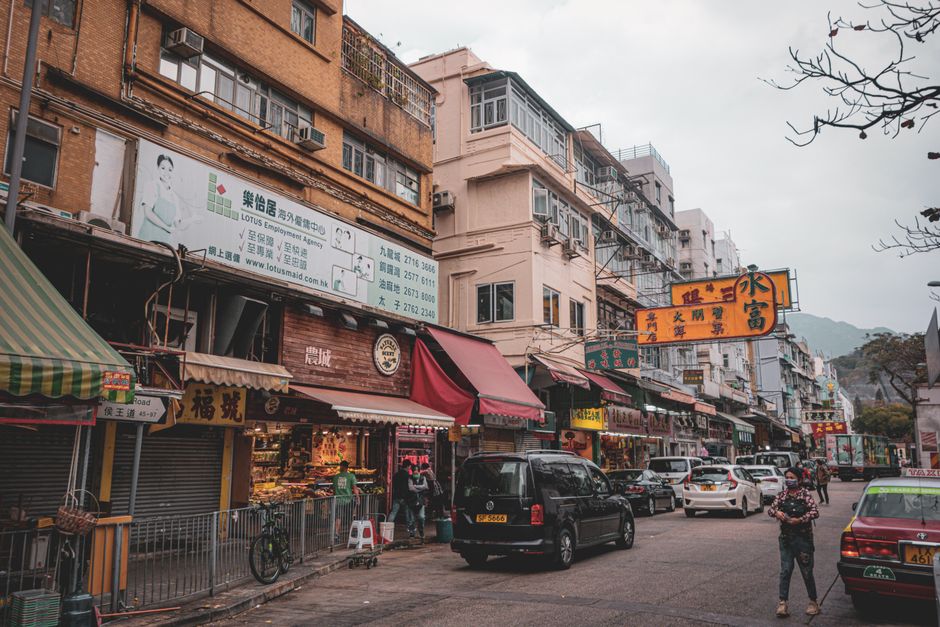
For decades, the narrow corridors of Sham Shui Po's Wing Lok Street wet market have been a labyrinth of water pooling between vegetable stalls, slippery floors that elderly shoppers navigate with caution, and drainage issues that left merchants frustrated. But this week, after a coordinated effort between the district council, local business associations, and the Urban Renewal Authority, the market saw its most significant infrastructure overhaul in over fifteen years completed.
The HK$8.7 million project, which began in late March, has replaced faulty drainage pipes, resurfaced the market floor with improved anti-slip tiles, and upgraded electrical wiring that was a genuine fire hazard. On Monday, the Sham Shui Po District Office officially reopened the market to public fanfare—modest by most standards, but significant for a neighbourhood where 340,000 residents depend on local markets for fresh produce.
"We've been here since 1987," said one produce vendor, whose family business spans three generations. "The water used to come up to our ankles during summer storms. Now we can actually keep our goods clean." The sentiment was echoed by regular shoppers interviewed throughout the week, many of whom are elderly residents for whom Wing Lok Street represents an essential gathering point and affordable food source.
The upgrade also included installation of forty new LED lights—reducing energy costs by an estimated 35 per cent—and improved signage directing visitors through the market's 180-odd stalls. The Sham Shui Po Merchants Association estimated that monthly foot traffic had declined 12 per cent since 2023, partly due to deteriorating conditions.
However, the celebration comes with a caveat. Market traders are now bracing for potential rent increases, which frequently follow such improvements. The district council has promised a six-month rental moratorium to help small vendors stabilize operations, though similar commitments in other neighbourhoods have faced implementation challenges.
The project also highlights broader tensions in Hong Kong's urban planning: balancing infrastructure modernization with preserving the character and affordability of neighbourhood spaces. As gentrification pressures intensify across traditional areas like Sham Shui Po, residents and traders remain watchful.
Meanwhile, the district council announced plans for similar initiatives at Apliu Street's electronics market and the Cheung Sha Wan jade market. Officials say funding has already been allocated, though timelines remain uncertain.
This article was compiled by AI from the sources linked above and screened before publishing. See our editorial standards.
About this article
Published by The Daily Hong Kong
Spread the word
Daily brief
Free, in your inbox before 7am. Weekdays.
Before you go
The day's Hong Kong news in a 2-minute read. Free, weekday mornings.