New Kowloon Waterfront Plan to Reshape Commute Routes and Housing Access for Half a Million Residents
The government's ambitious redevelopment of the Tsim Sha Tsui to Hung Hom corridor promises faster transport links and affordable units—but could displace long-time businesses and fundamentally alter neighbourhood character.
This article was generated by AI from the linked public sources. The Daily Hong Kong is independently owned and covers Hong Kong news free from advertiser or sponsor influence. Read our editorial standards →
The Urban Renewal Authority's latest proposal for the Kowloon East precinct, unveiled at a Legislative Council Panel on Development meeting last week, signals one of the most significant urban transformations Hong Kong will experience this decade. The HK$127 billion initiative aims to inject 8,500 new residential units into the densely packed area between Tsim Sha Tsui waterfront and Hung Hom, directly affecting the daily lives of over 500,000 residents who currently navigate congested pedestrian bridges, ageing MTR interchange points, and limited affordable housing options.
For residents of neighbouring Mong Kok and Jordan, the implications are immediate. The proposal includes a new direct MTR connection linking the Whampoa and East Kowloon Line, potentially cutting commute times to Central by 12 minutes—significant for the 120,000 daily commuters currently enduring 40-minute journeys through Tsim Sha Tsui station. Housing analysts estimate that 35 per cent of the new units will be priced at or below HK$5.2 million, a rarity in the Kowloon core where median prices now exceed HK$8.8 million per square metre.
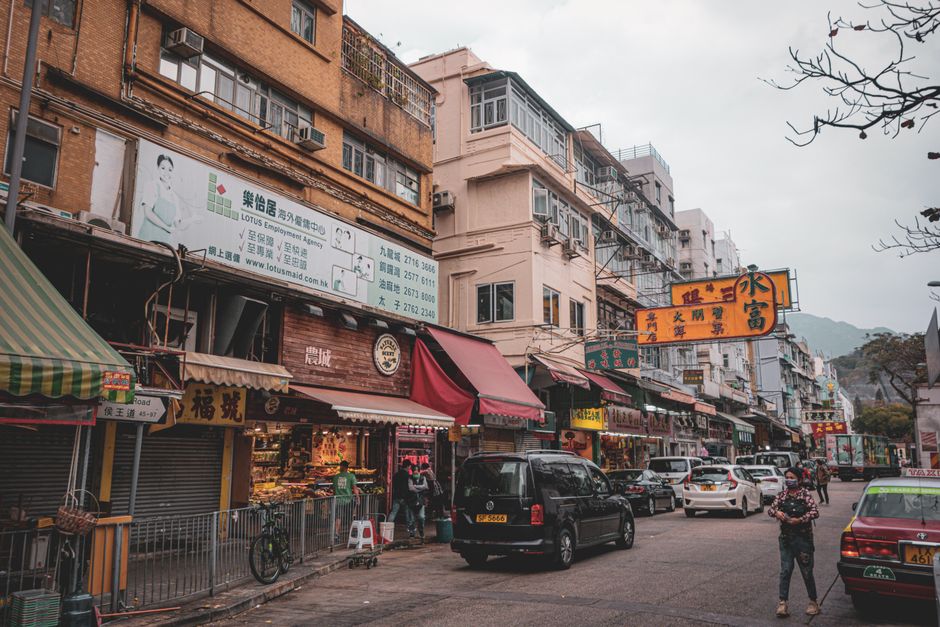
However, the plan presents clear trade-offs. The Mong Kok Computer Centre, a fixture along Nelson Street for 28 years and home to over 200 small electronics retailers, faces potential acquisition. Similarly, the wet market district spanning several blocks adjacent to Argyle Street—where residents have shopped for fresh produce for generations—would be relocated to a purpose-built facility three blocks away. Local business associations representing the 400+ affected shops have requested compensation reviews, citing inadequate relocation packages.
Environmental concerns also loom. The proposal envisions reduced street-level porosity, with increased tower density and underground infrastructure. Community groups worry about ventilation corridors becoming compromised, potentially worsening the heat island effect that already sees Mong Kok record temperatures 2.5 degrees higher than Victoria Park during summer months.
Government officials have scheduled 12 public consultation sessions across MTR stations in Mong Kok, Yau Ma Tei, and Jordan between July and September. Residents are encouraged to attend sessions at Mong Kok MTR (Sundays, 2–5 p.m.) or submit written feedback via the URA website before the August 31st deadline.
For most residents, the calculus is straightforward: improved transport access and housing supply against disruption and neighbourhood transformation. This vote of confidence or concern will shape Kowloon's physical and social character for the next two decades.
This article was compiled by AI from the sources linked above and screened before publishing. See our editorial standards.
Covering news in Hong Kong. This article was generated by AI from the linked sources and was not reviewed by a human editor before publishing. See our editorial standards.