News
Hong Kong Transport Infrastructure Plans: Next Decade Update
Hong Kong officials reveal MTR expansion and Northern Link railway plans to ease gridlock in Mong Kok and Causeway Bay while supporting Greater Bay Area integration.
3 min read
News
Hong Kong officials reveal MTR expansion and Northern Link railway plans to ease gridlock in Mong Kok and Causeway Bay while supporting Greater Bay Area integration.
3 min read
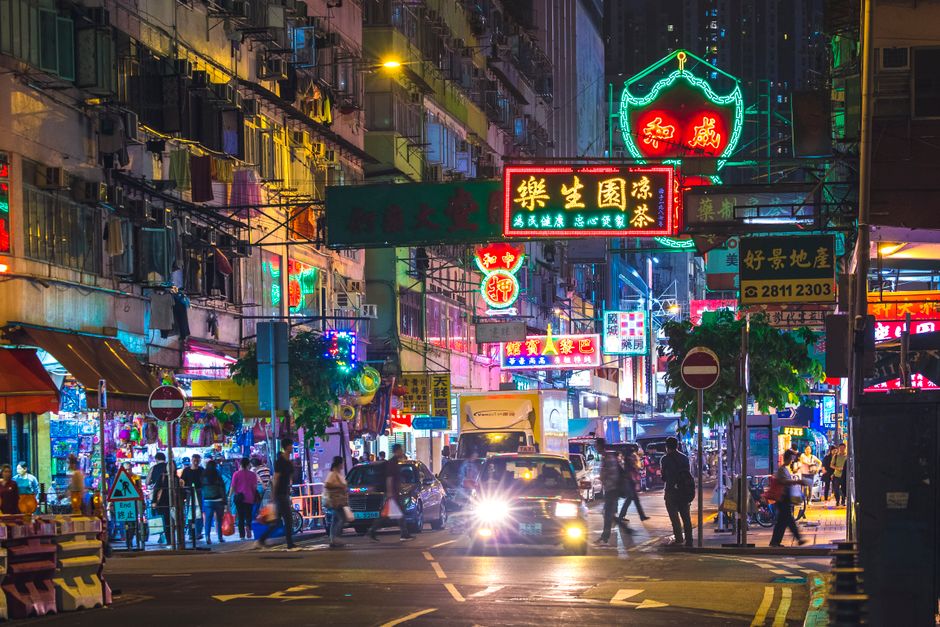
Hong Kong's transport infrastructure stands at a crossroads. With the MTR network carrying over 5.7 million passengers daily and roads in districts like Mong Kok and Causeway Bay gridlocked during peak hours, officials and transport experts are increasingly vocal about the urgent need for strategic upgrades across rail, roads, and waterborne transit.
The Transport and Logistics Bureau has signalled renewed focus on completing the Western Harbour Crossing expansion and accelerating plans for the Northern Link railway, which would connect the New Territories to mainland rail networks more directly. Speaking at recent industry forums, senior government officials have framed these projects as essential to reducing cross-boundary congestion and supporting the Greater Bay Area integration strategy.
However, transport economists at the University of Hong Kong and City University have raised concerns about project timelines and cost overruns. Their analysis suggests that without improved project management protocols, infrastructure spending could exceed budgeted figures by 15-20 percent—a significant burden given Hong Kong's fiscal pressures. These academics have called for greater transparency in tendering processes, particularly for the proposed Central-Wan Chai Bypass improvements.
The real estate and logistics sectors offer a different perspective. The Hong Kong General Chamber of Commerce has publicly endorsed accelerated metro extensions into underserved areas like the Eastern New Territories, arguing that improved connectivity could unlock significant economic benefits in freight handling and commercial development near ports in Kwai Tsing and Tsing Yi.
Meanwhile, environmental groups and transport advocates have seized on the infrastructure debate to push for bus rapid transit systems and expanded cycling lanes in Central and Sheung Wan. They point to congestion-charging schemes piloted in London and Singapore as models worth exploring—though government officials have been notably cautious about public reception to such measures in Hong Kong.
The MTR Corporation itself has become more vocal in recent months, emphasizing that aging infrastructure in areas like the Island Line requires attention. The company's latest annual report noted that asset renewal budgets need to increase by roughly HK$3 billion annually to maintain service reliability.
As the government prepares its next five-year infrastructure plan, stakeholders remain divided on priorities. Whether the focus should be on cross-boundary connectivity, urban district accessibility, or environmental sustainability continues to dominate expert commentary. What is clear: Hong Kong's transport future will be shaped as much by what officials and industry leaders say now as by the projects themselves.
This article was compiled by AI from the sources linked above and screened before publishing. See our editorial standards.
About this article
Published by The Daily Hong Kong
Spread the word
Daily brief
Free, in your inbox before 7am. Weekdays.
Before you go
The day's Hong Kong news in a 2-minute read. Free, weekday mornings.