News
Hong Kong's Crime Rate Hits 14-Year Low: What the Numbers Really Tell Us
Police data reveals a complex picture of public safety across the city's 18 districts, with some neighbourhoods bucking the overall downward trend.
3 min read
News
Police data reveals a complex picture of public safety across the city's 18 districts, with some neighbourhoods bucking the overall downward trend.
3 min read
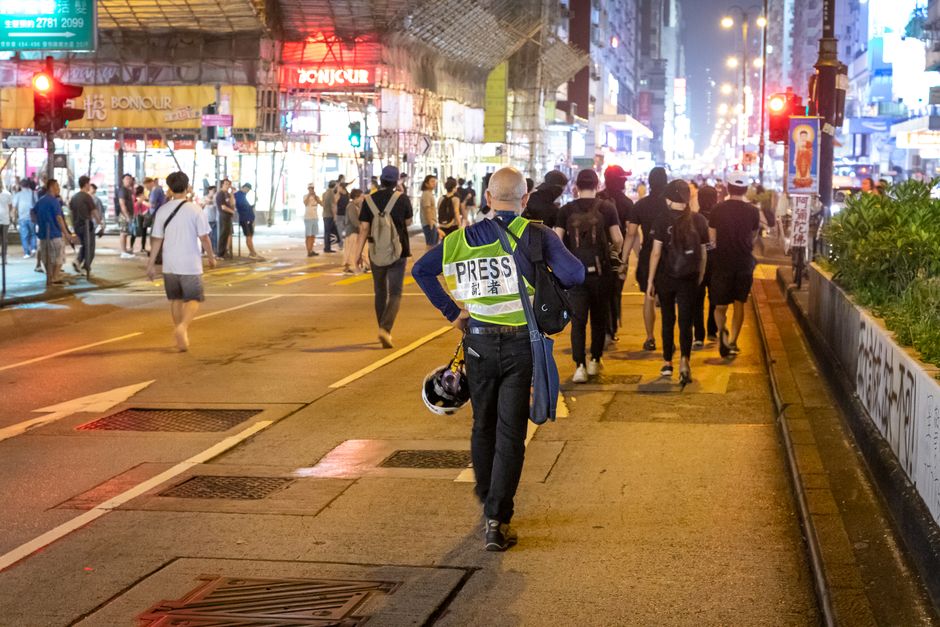
Hong Kong's crime statistics for the first half of 2026 paint an encouraging picture on the surface: overall reported crimes have fallen to 24,847 cases, the lowest figure since 2012. Yet beneath these headline numbers lies a more nuanced story about where safety concerns persist and how emergency services are stretched across the territory's sprawling urban landscape.
According to data compiled by the Police Force's Crime Analysis Division, violent crime dropped 8.3 per cent year-on-year, with homicides numbering just 12 cases across all 18 districts. Property crimes, traditionally accounting for roughly 60 per cent of all reported offences, declined by 11 per cent—a reflection of enhanced CCTV coverage and increased foot patrols in commercial hotspots like Mong Kok, Causeway Bay, and Central.
However, crime distribution tells a different story depending on geography. Yau Tsim Mong district recorded 2,847 crimes—nearly 11 per cent of the city's total—making it the crime capital by volume, despite a 7.2 per cent reduction from the same period last year. Eastern district, by contrast, reported just 1,203 cases, benefiting from its lower population density and affluent residential character.
Emergency response times have improved measurably. The Fire Services Department reports average response times of 4 minutes 23 seconds for structure fires across urban areas, down from 4 minutes 47 seconds in 2025. For ambulance callouts in densely populated areas like Sham Shui Po—which logged 8,634 emergency service requests in the first half of 2026—average response time hovers around 10 minutes.
Drug-related arrests present a concerning countertrend. Despite overall crime declining, narcotics offences increased 3.4 per cent to 3,156 cases, with synthetic drugs accounting for 67 per cent of these arrests. The majority concentrated in Kwun Tong and Wong Tai Sin districts.
Police Commissioner figures released last week highlight that while the overall trend is positive, resource allocation remains critical. The 27,500-strong Police Force now dedicates approximately 40 per cent of frontline personnel to the New Territories, reflecting demographic shifts and commuter patterns. Transport and street crime—theft from passengers and pickpocketing—still plague the MTR system, with 1,847 incidents reported across all 93 stations.
As Hong Kong celebrates its lowest crime rate in over a decade, experts caution against complacency. Population aging and changing work patterns mean emergency services must continuously adapt deployment strategies to match where residents actually spend their time, a lesson the numbers make increasingly clear.
This article was compiled by AI and screened before publishing. See our editorial standards.
About this article
Published by The Daily Hong Kong
Spread the word
Daily brief
Free, in your inbox before 7am. Weekdays.
Before you go
The day's Hong Kong news in a 2-minute read. Free, weekday mornings.