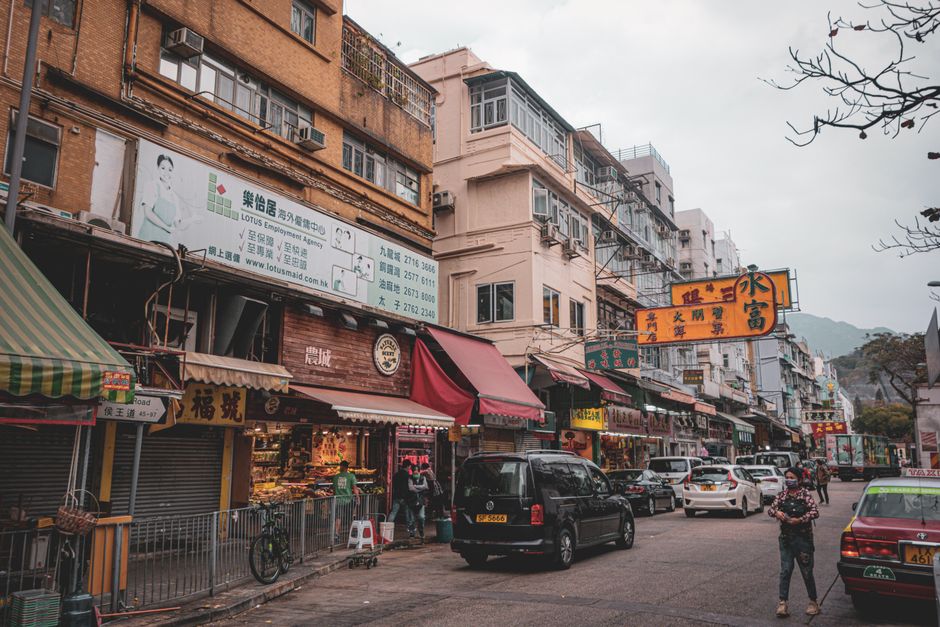
Hong Kong's environmental agenda took centre stage this week as officials and sustainability experts laid out increasingly concrete plans to transform the city's relationship with waste, energy and urban design.
Speaking at a sustainability forum in Central, senior government representatives reiterated Hong Kong's commitment to achieving carbon neutrality by 2050, while several key figures emphasised the need for immediate action across construction, transport and waste management sectors. The Environmental Bureau has signalled that the recently updated Climate Action Plan will serve as the roadmap for the next phase of intervention.
The stakes are considerable. Hong Kong currently generates around 1.35 million tonnes of municipal solid waste annually—a figure that has prompted calls from leading environmental organisations for dramatic improvements in recycling infrastructure. Currently, the city's recycling rate hovers around 32 per cent, well below rates achieved in comparable developed economies.
Dr Patricia Lam, head of the Sustainable Urban Development Research Centre at the University of Hong Kong, underscored the urgency. Speaking separately, she highlighted that Hong Kong's reliance on fossil fuels for electricity generation remains a critical vulnerability. Coal-fired and gas-powered plants still account for a substantial portion of the city's energy mix, though renewable capacity has expanded incrementally.
The Transport Department has also come under scrutiny. Officials acknowledge that while Hong Kong's public transport network is already relatively efficient, achieving deeper emissions cuts will require accelerating the shift to zero-emission vehicles across the bus and taxi fleets. Early pilot schemes on routes between Tsim Sha Tsui and Causeway Bay have shown promise, though scaling remains a challenge.
Real estate and construction sectors are equally critical. Development on reclaimed waterfront areas, from Victoria Harbour to emerging schemes in the New Territories, will shape Hong Kong's environmental footprint for decades. Environmental consultants have called for tighter building codes mandating green materials and energy-efficient design—a position echoed in recent statements from planning authorities.
Observers note that Hong Kong's unique position as a densely-packed, high-income global hub offers both advantages and complications. The city's limited land area demands innovative approaches to waste reduction and renewable energy integration that cannot simply be imported from elsewhere.
With public awareness of climate issues growing among Hong Kong residents, pressure is mounting on policymakers to translate statements of intent into measurable outcomes. The coming months will reveal whether current momentum translates into regulatory changes and infrastructure investment.
This article was compiled by AI from the sources linked above and screened before publishing. See our editorial standards.