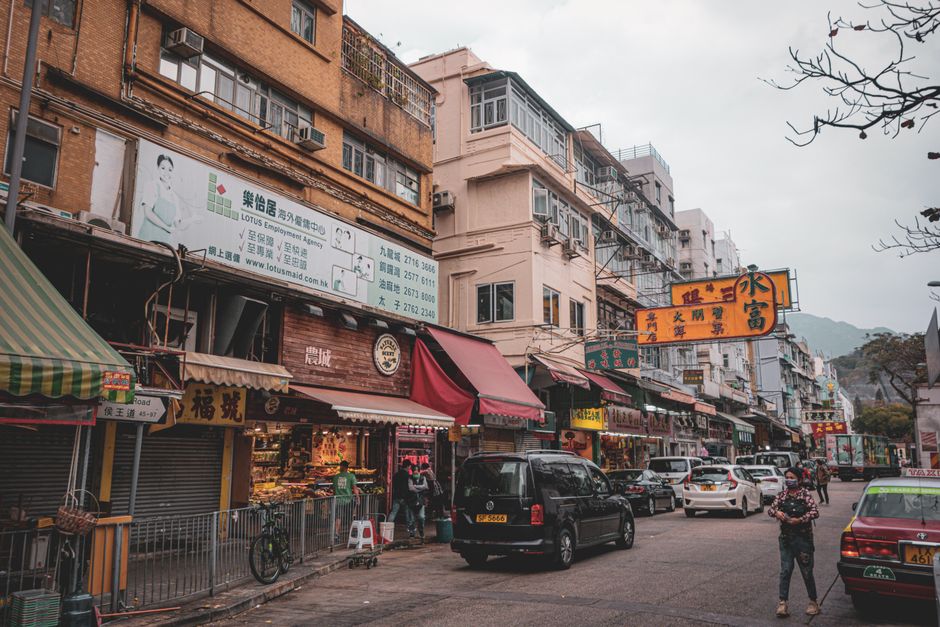
The question hanging over Chungking Mansions, Mong Kok's iconic vertical village, is no longer just "where are you from?" but "how much longer can you stay?" As Hong Kong enters the second half of 2026, its diverse migrant communities—estimated at over 660,000 people, or roughly 9% of the population—face a watershed moment that will reshape the city's multicultural fabric.
Recent policy tightening around employment visas and dependant pass renewals has created urgency. The Immigration Department's stricter salary thresholds for domestic helpers—now set at HK$4,720 monthly, up from HK$4,630—coupled with more rigorous proof-of-funds requirements for visa extensions, mean families are making hard calculations. For the estimated 370,000 domestic workers in Hong Kong, predominantly from the Philippines and Indonesia, the margin between staying and leaving has narrowed considerably.
"The decisions families make in the next three months will ripple through 2027," says advocacy work conducted by community organisations operating from spaces like Kowloon Mosque in Yau Ma Tei and the Filipino-Chinese Friendship Association headquarters in Causeway Bay. Many are reassessing whether Hong Kong's education opportunities and higher wages justify rental costs exceeding HK$3,000 monthly for a cramped subdivided flat in Wong Tai Sin or Sham Shui Po.
But the picture is complicated. While some workers explore opportunities in Singapore, the UAE, or Taiwan—where recruitment agents in Wan Chai are actively posting openings—others are doubling down. Young professionals from South Asian communities, particularly those in construction, IT, and finance sectors based around Central and Admiralty, increasingly see Hong Kong as a launchpad rather than a destination. Their question is not whether to stay permanently, but how to maximise the city's networks and experience for future mobility.
The St. Joan of Arc Church in Mong Kok, a spiritual hub for migrant communities on Sundays, reflects this tension. Congregation numbers have remained steady, but demographic composition is shifting—fewer families with children, more transient workers.
Key decisions loom. Will Hong Kong's government adjust visa policies to retain skilled workers amid demographic pressures? Will migrant communities invest in long-term roots—property ownership, education enrolment—or maintain flexible, temporary arrangements? How will community organisations adapt support services if populations fluctuate?
The city's multicultural vitality depends on these choices. Hong Kong's next chapter will be written not by policy makers alone, but by the families in Chungking Mansions and beyond, deciding where to plant their stakes.
This article was compiled by AI from the sources linked above and screened before publishing. See our editorial standards.